Inside A Podiatrist’s Closet—Dr. Young Reviews the New Balance 327 Sneaker

If you’ve ever stood in your closet trying to decide between your “cute sneakers” and your “actually supportive sneakers,” you’re not alone.
This is a conversation that comes up often in the office—especially as more brands blur the line between fashion and function. Many of today’s sneakers look like running shoes, but don’t always perform like them.
And this distinction matters more than most people realize.
Since so many patients ask about fashion sneakers versus true performance shoes, I thought it would be a perfect subject for this month’s Footwear Focus. I chose a pair from my own closet to show you how I think about this in my own day-to-day life.
But before we dive in, let’s get clear on the difference between fashion footwear and true running shoes—and why it matters.
Fashion Sneakers vs. True Running Shoes: What’s the Difference and Why Does it Matter?
Over the past few years, “fashion sneakers” have become incredibly popular—and for good reason. They’re versatile, stylish, and often comfortable enough for everyday wear.
But here’s the key—Not all sneakers are designed for the same purpose.
Shoes like the New Balance 327s epitomize this lifestyle sneaker category.
These styles are typically:
Inspired by older running shoe designs (for their cool, vintage vibes)
Built for casual wear rather than performance
Designed with aesthetics as a primary focus
In contrast, true running or training shoes are engineered specifically for:
Impact absorption
Repetitive motion
Long-distance walking or running
Structured support and stability
That doesn’t mean fashion sneakers are “bad”—far from it. It just means they’re best used in the right situations.
What this means for your feet
The distinction comes down to what your feet are being asked to do.
When you’re walking long distances, exercising, or spending hours on your feet, your body is absorbing repeated impact with every step. Over time, that adds up.
Shoes designed for performance help absorb shock, support your alignment, and stabilize your feet.
Fashion sneakers, on the other hand, are usually built for shorter, lower-impact use.
Fashion sneakers are usually built for shorter, lower-impact use and often don’t provide the same level of support over time.
This means your body has to compensate—and that’s where problems can start.
This can contribute to issues like:
Heel pain, including conditions like plantar fasciitis
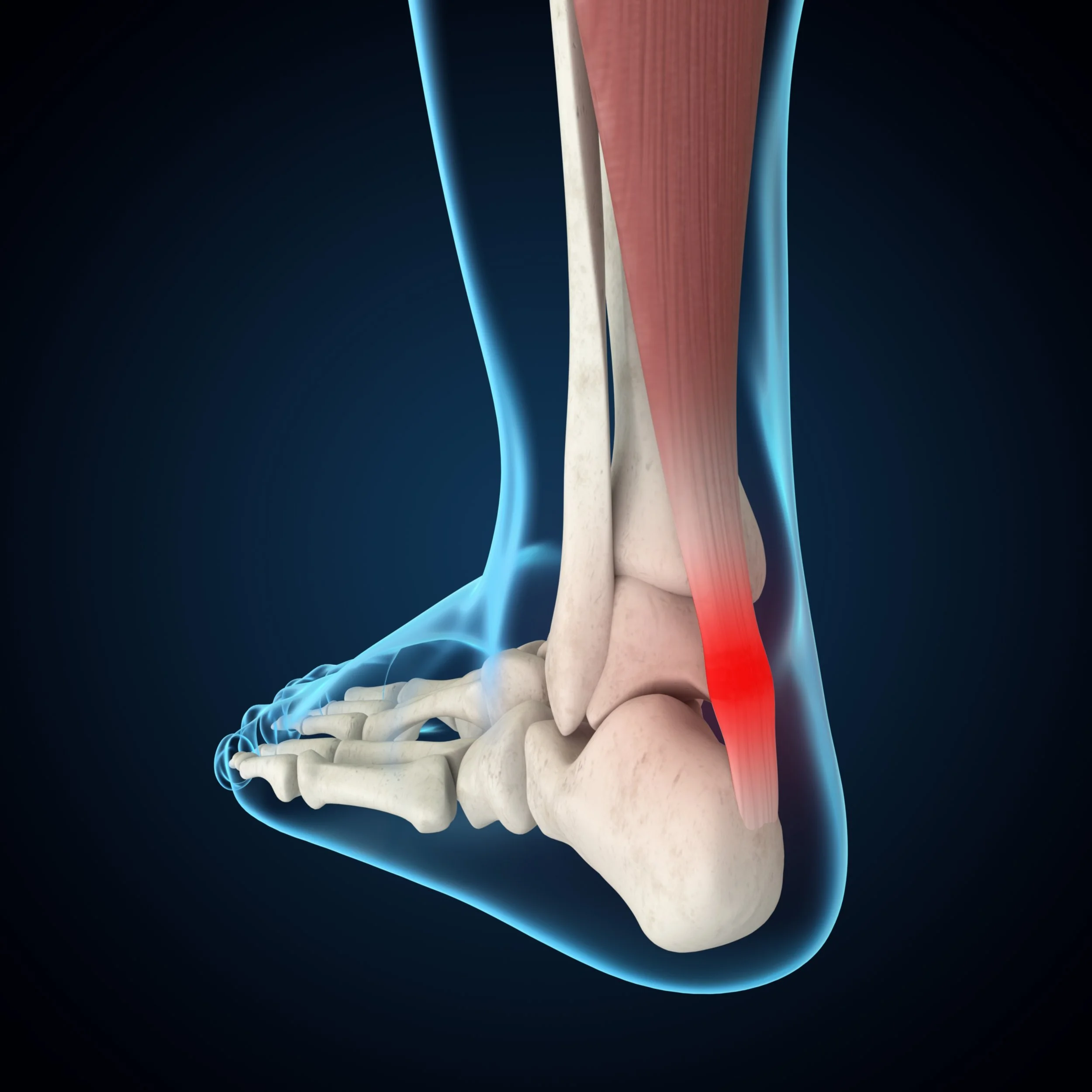
Tendon strain, such as posterior tibial tendon dysfunction (PTTD)
Forefoot pain or nerve irritation, like Morton’s neuroma
These issues don’t usually happen overnight. More often, they’re the result of wearing the wrong type of shoe day after day.
The bottom line
The goal isn’t to avoid fashion sneakers, but to match your footwear to your activity level.
Think of it this way:
Running errands? A lifestyle sneaker like the 327 can be a great choice
Heading out for a hike, workout, or full day on your feet? You’ll want something designed for performance and support, like options from my go-to brands of Brooks and Altra
Choosing the right footwear can go a long way in preventing pain and keeping your feet healthy.
The New Balance 327 is a great example of how a shoe can look like a performance sneaker—but function very differently. Understanding that difference can help you make the best choices for your feet.
An Overview of the New Balance Brand
New Balance has been a trusted name in footwear for decades, known for combining comfort, performance, and classic design.
While many of their models are built specifically for running or walking, they’ve also developed a strong presence in the lifestyle sneaker space, offering styles that prioritize everyday wearability while still incorporating elements of support.
Beyond their footwear, New Balance has also made efforts to focus on responsible manufacturing and community impact.
The company has worked to incorporate sustainable materials, reduce production waste, and maintain a portion of its manufacturing in the United States and the United Kingdom. They also support community initiatives focused on access and well-being.
For consumers who care about how and where their products are made, these broader efforts can be an added bonus when choosing a brand.
The 327 is a great example of how New Balance brings together style, everyday comfort, and a thoughtful approach to design in a lifestyle sneaker built for daily wear.
What does this look like in practice? Let’s take a closer look at the 327.
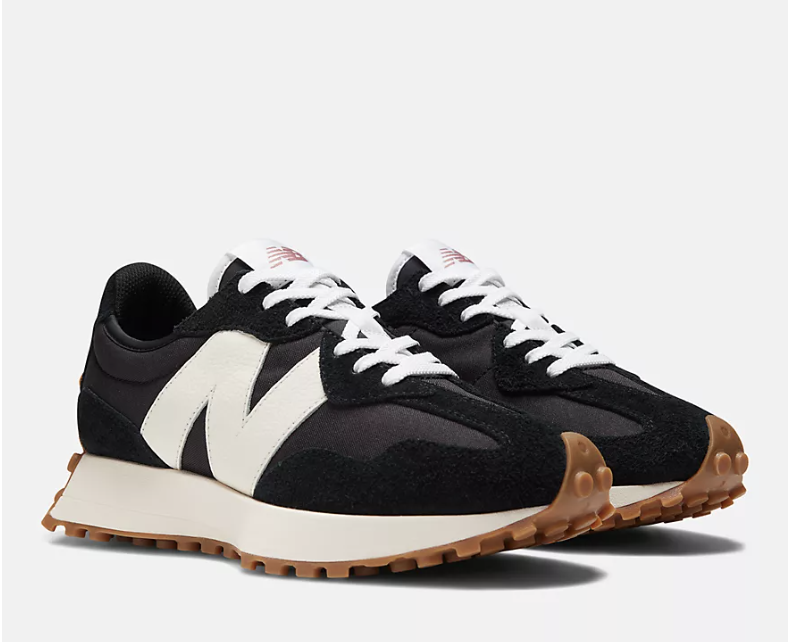
A Closer Look at the New Balance 327
The New Balance 327 sneaker is a retro-inspired style that pulls design elements from 1970s running shoes, combining them with a more modern, fashion-forward look.
Key features include:
A lightweight suede and mesh upper for breathability
A cushioned EVA midsole that provides moderate comfort underfoot
A lugged rubber outsole that offers good traction on everyday surfaces
A flared midsole and wider heel base for added stability
Many wearers find the shoe comfortable right out of the box, with enough cushioning for regular daily wear. They also tend to fit true to size.
That said, it’s important to remember what this shoe is—and what it isn’t.
While it’s inspired by running shoes, the 327 isn’t designed for running or high-impact activity and doesn’t offer the same level of structured support as performance footwear.
What Customers and Podiatrists Have to Say
Reviews of the 327 highlight a few consistent themes.
Many customers share that they love how:
Comfortable they feel for everyday wear
Easy they are to style with different outfits
Lightweight and flexible they feel throughout the day
Some reviewers also note they have:
Good traction for walking on a variety of surfaces
Enough cushioning for moderate activity, like commuting or travel
From a podiatric perspective, shoes like the 327 can be a solid everyday option—but they have clear limitations when it comes to support.
Dr. Young’s Perspective
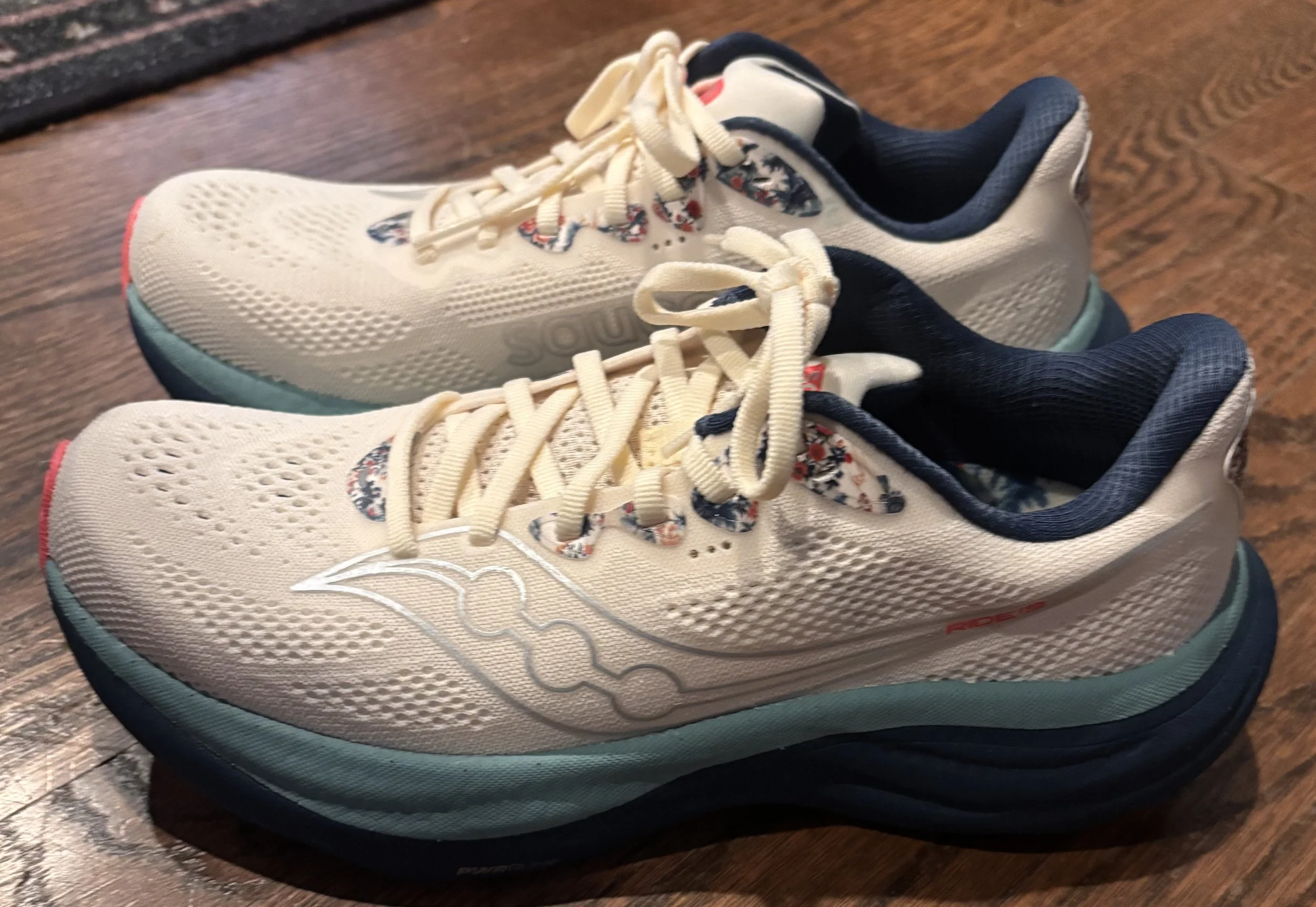
I have a pair of New Balance 327s in my own closet, and I genuinely love them.
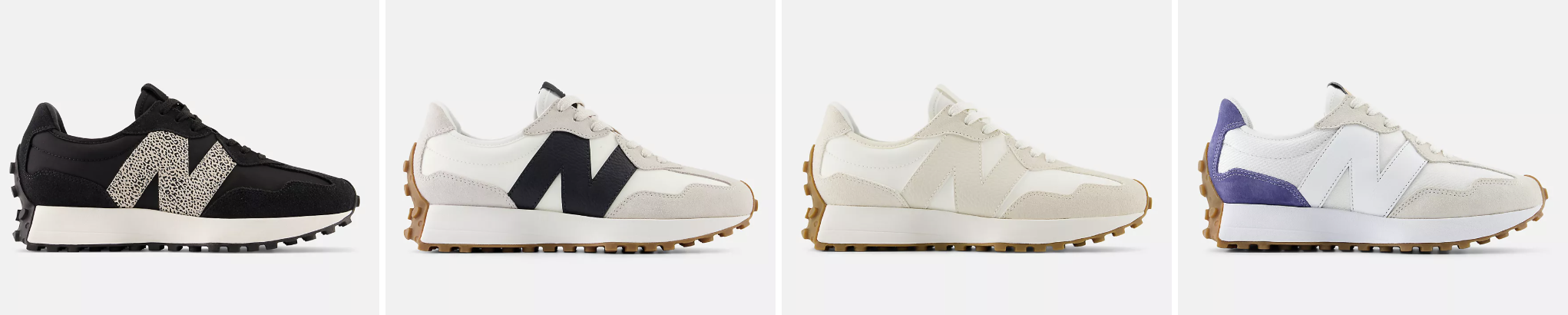
They’re comfortable, easy to throw on, and go with just about everything. They also come in a wide range of colors, which makes it easy to find a pair that fits your personal style. That’s why they’ve earned a spot in my regular rotation.
What I appreciate most about this shoe is that it strikes a nice balance. It’s supportive without feeling overly bulky like a traditional running shoe. It also doesn’t look overly “athletic,” which makes it easy to wear in settings where you want to feel put together but still comfortable.
That said, this is still a lifestyle sneaker, and it’s important to understand its limits.
These shoes are great for light to moderate walking. They’re not designed for more intense activity or extended time on your feet. If you’re walking and standing all day, especially on harder surfaces, you’ll likely start to notice some foot fatigue with these.
They also tend to break down faster than a true running shoe, so you won’t get the same mileage out of them over time. That said, many people continue wearing them longer than they should.
This is something I talk about often with patients. When I recommend “gym shoes” to help with pain or recovery, many people assume I mean a sneaker like this or something similar, like an Adidas Samba. But, in most cases, these styles don’t provide enough cushioning or support for healing.
So while the 327 is a great everyday option, it’s not the right choice if you’re dealing with foot pain or recovering from an injury.
If you’re seeking alternative options that do offer more support, be sure to check out my other Footwear Focus posts or schedule an appointment to come see me for personalized footwear recommendations.
When This Shoe Makes Sense (and When It Doesn’t)
The New Balance 327 is a great option for errands, casual outings, or travel days with moderate walking.
However, if you’re spending long hours on your feet, exercising, or dealing with foot pain, you’ll likely need something more structured and supportive.
That’s where choosing the right footwear—and sometimes adding the right support—can make a meaningful difference.
At City Step Podiatry, I help my patients take the guesswork out of footwear decisions. Whether that means recommending better-fitting shoes or incorporating custom orthotics, my goal is to keep you active, comfortable, and pain-free.
If you’re not sure whether your current shoes are supporting your feet the way they should, a personalized evaluation with me can help you make more confident, informed choices.
Book an appointment easily online, stop by our downtown Chicago office, or browse our specialized services. We’re here to keep you moving forward!
City Step Podiatry is here for you! Reach out today to schedule your visit and treat your feet to the care they deserve.