If you’ve ever been told you need orthotics, you’re not alone. Many people hear this recommendation, but remain unclear about why this is and how custom orthotic inserts can help them.
Custom orthotics are one of the most talked-about tools in podiatry and foot care, yet, despite their popularity, they remain misunderstood.
Some people assume they’re a cure-all—a magic solution to all their foot health needs…
Others worry they’ll be uncomfortable, bulky, or something they’ll be stuck wearing forever…
And many aren’t sure how custom orthotics differ from over-the-counter inserts they can buy online or at the pharmacy…
At City Step Podiatry, we believe orthotics should be used thoughtfully—not automatically. When prescribed and designed correctly, custom orthotics can be incredibly effective in supporting your foot health and wellness needs.
But they aren’t the right solution for every foot issue or every person.
If you’re considering custom orthotics for yourself or someone you love, you deserve the answers to inform and guide your choice.
In this blog, we’ll break down everything you need to know about custom orthotics, including:
What custom orthotics are—and how they work
When they can be helpful (and when they aren’t)
The conditions they commonly support
How custom orthotics differ from store-bought inserts
How Dr. Young approaches orthotics at City Step Podiatry
Our goal isn't to convince you that custom orthotics are the solution for you, but to help you understand why they’re recommended, how they fit into a bigger podiatry treatment plan, and what makes the City Step approach different.
What Are Custom Orthotics, Really?
Let’s kick things off by getting clear on what custom orthotics are—and also what they’re not.
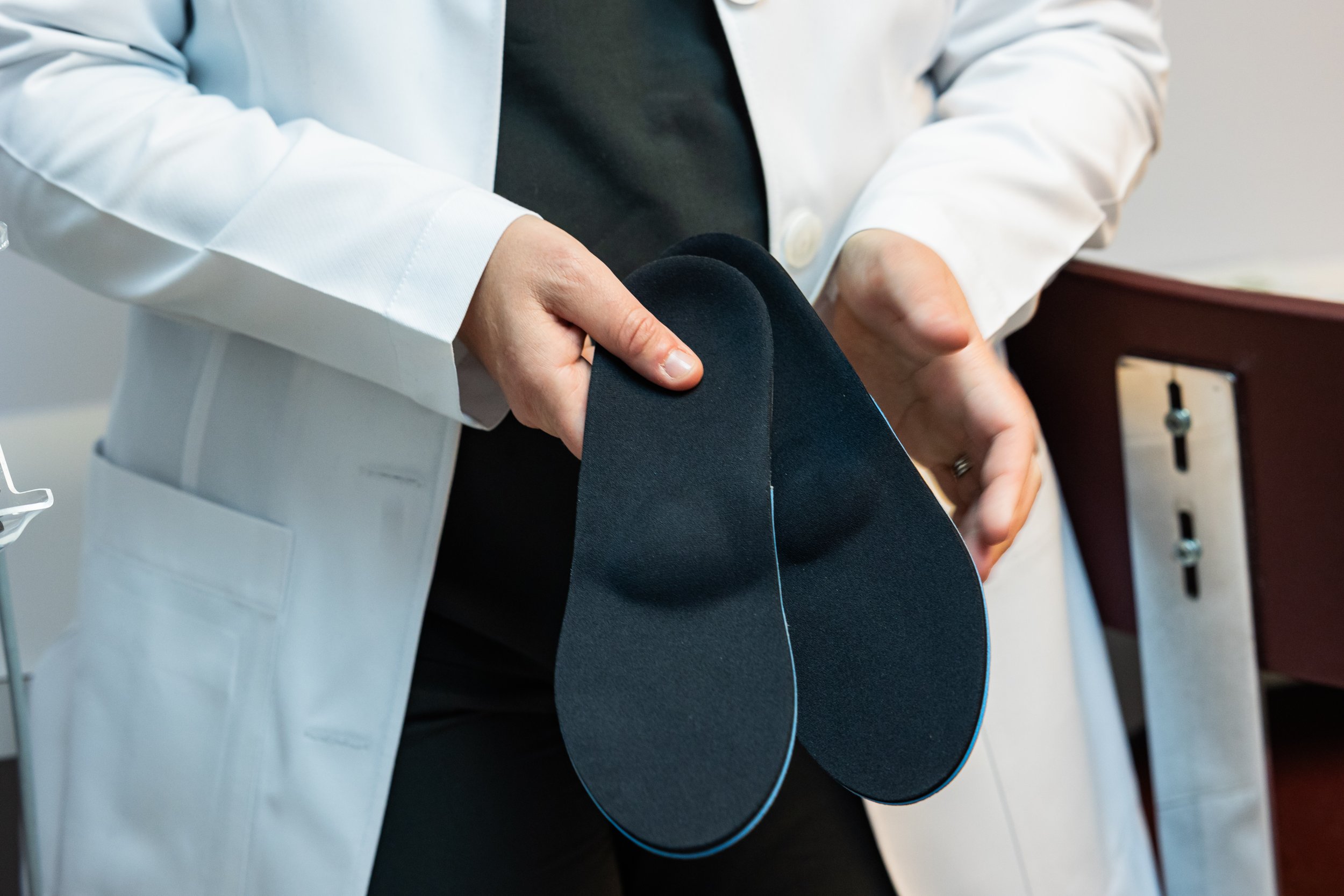
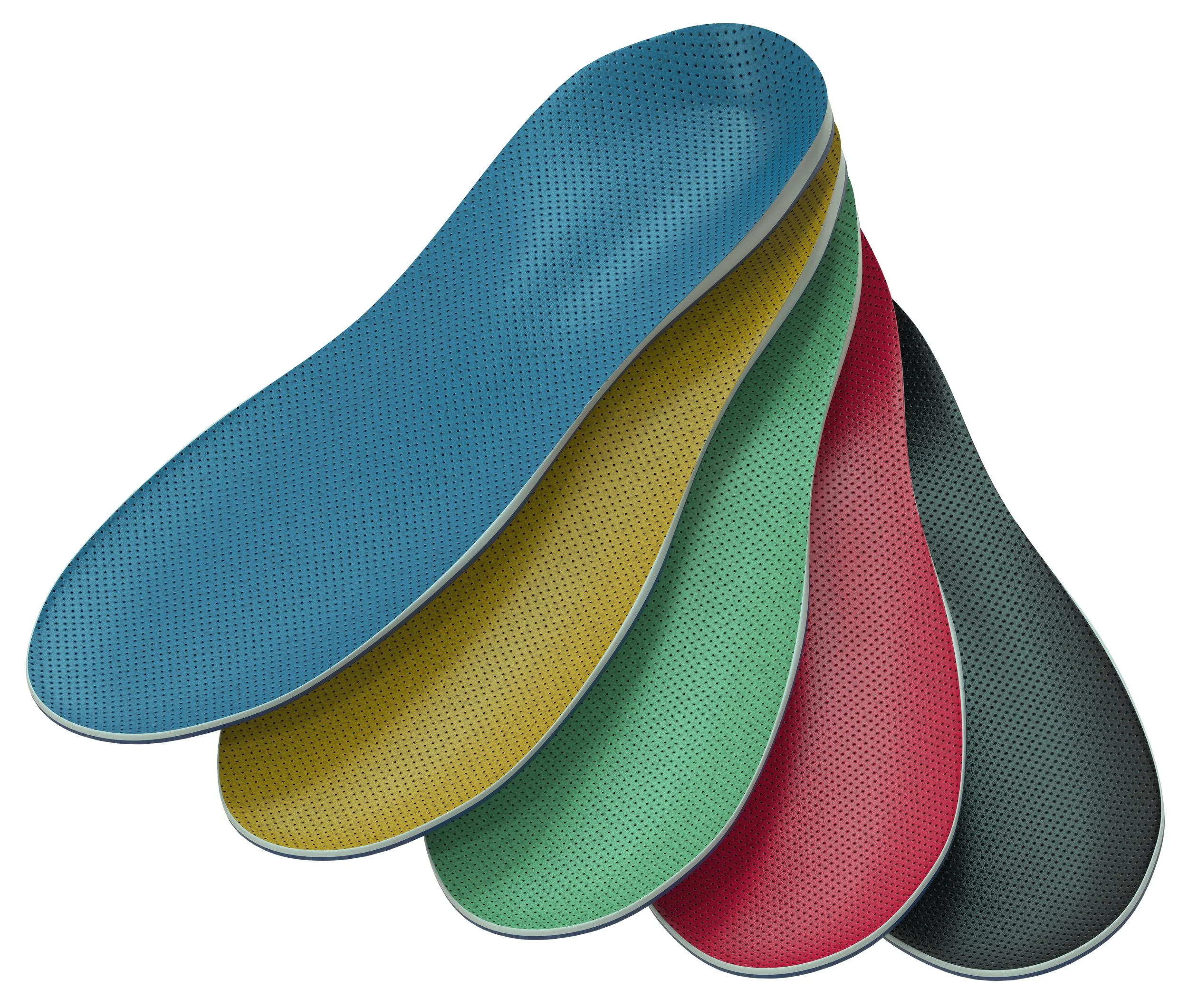
Custom orthotics are prescription medical devices designed to support, align, or improve the function of your feet.
Unlike generic inserts, they’re created specifically for your foot structure, biomechanics, and movement patterns.
Orthotics don’t “fix” your feet in the way a cast fixes a broken bone. Instead, they work by:
Improving your alignment from the ground up
Redistributing pressure across your foot
Reducing strain on overworked tissues
Supporting any areas that aren’t doing their job effectively
In other words, orthotics influence how your feet function—which can have ripple effects up through your ankles, knees, hips, and back.
Research shows that properly prescribed orthotics can help reduce pain, improve stability, and support tissue healing in specific conditions.
***But the key phrase here is properly prescribed.
We’ll take a deeper dive into how and why your trusted podiatrist may recommend custom orthotics for you. But first, let’s explore more about how they work to enhance foot health, support, and stability.
How do custom orthotics work?
We’re all guilty of taking our mobility for granted at one point or another.
Then suddenly—pain, injury, strain, or even chronic wear and tear make normal activities feel far more challenging than ever before….
The truth is that every step you take involves a complex series of motions. When these motions are inefficient—or when certain structures are overloaded—pain and injury often follow.
This inflection point is where custom orthotics shine.
Custom orthotics work by addressing common foot health issues such as:
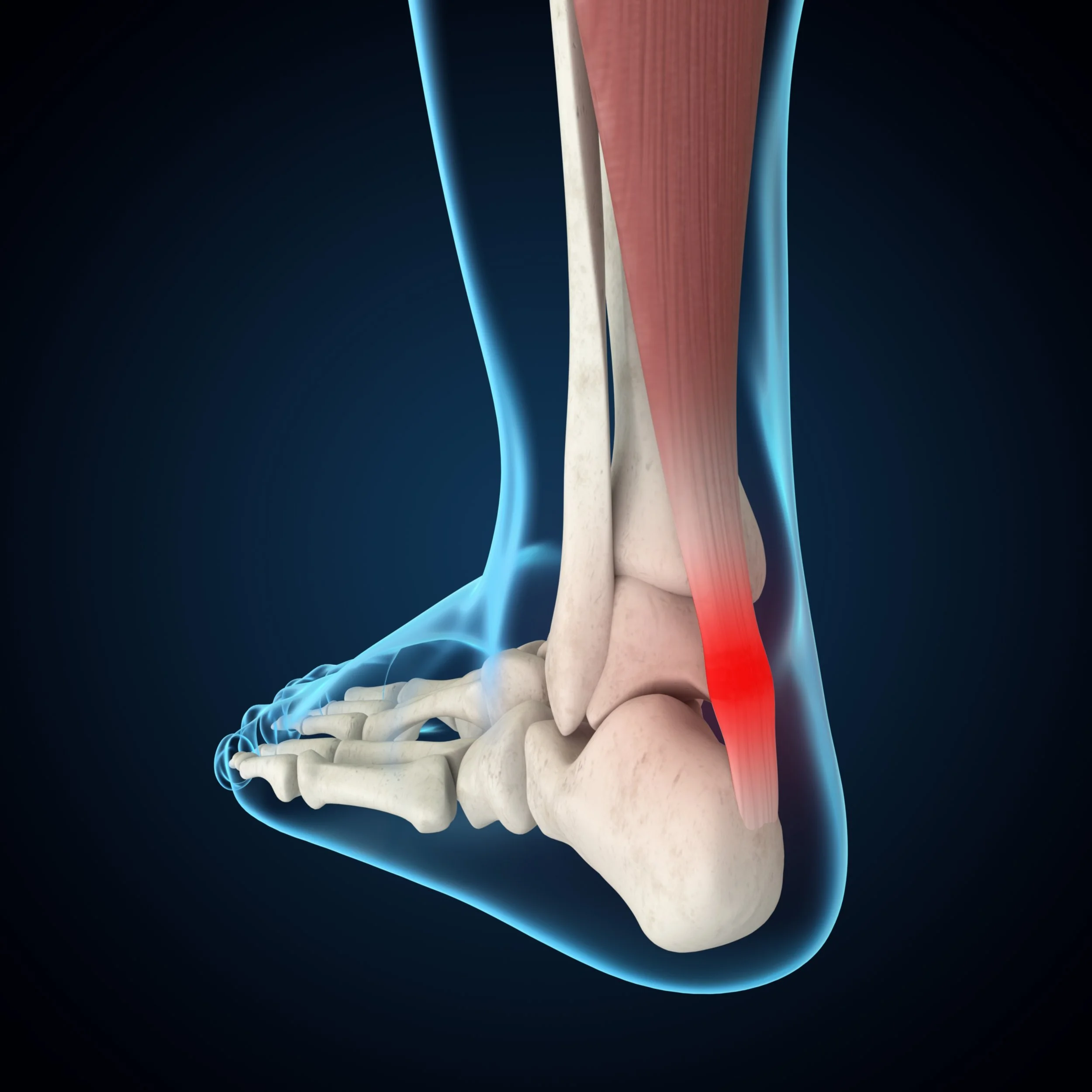
Overpronation or underpronation, which can stress the plantar fascia, posterior tibial tendon, or Achilles tendon—all of which are vital for easy, pain-free movement.
Check out our informative blogs on plantar fasciitis and posterior tibial tendonitis to learn even more about why this is so.
Uneven pressure distribution, which contributes to forefoot pain or calluses
How can calluses and blisters impact your foot health in ways you may not expect? Learn more here.
Lack of arch support, which can worsen fatigue or instability
Poor shock absorption, especially on hard surfaces
By guiding your foot into a more efficient position, orthotics help reduce excessive movement and relieve repetitive strain. This can be especially valuable for people who are on their feet frequently, recovering from injury, or managing chronic conditions.
Let’s review more cases in which custom orthotics can provide a supportive solution.
When Custom Orthotics Can Be Helpful
Custom orthotics are often most beneficial when pain or dysfunction is linked to how the foot moves, not just where it hurts.
Dr. Young may recommend custom orthotics for her patients who are managing conditions like:
Plantar fasciitis
Posterior tibial tendonitis (PTTD)
Flat feet or collapsing arches
High arches with poor shock absorption
Chronic foot or ankle instability
Recurrent overuse injuries
Certain knee, hip, or lower back pain patterns
Custom orthotics from City Step Podiatry can also play a supportive role for patients with neuropathy or circulation concerns by helping redistribute pressure and improve stability—particularly when combined with appropriate footwear.
In these cases, it’s important to know that orthotics aren’t a standalone fix. They’re one piece of a broader podiatry treatment plan that may also include footwear changes, activity modifications, physical therapy, or other in-office treatments.
When Custom Orthotics Aren’t the Right Answer
One of the most important things podiatrists want patients to understand is this: custom orthotics aren’t always necessary.
At City Step Podiatry, our primary goal is always to provide the very best in comprehensive, customised patient care in Chicago.
We’re here to listen to you and to support and guide you as you select the solutions that work for you—and to offer you our expert advice along the way.
For some, our custom orthotic services may be a part of your best, most personalised podiatry treatment plan. But for others, they may not be the ideal solution.
Custom orthotics may not be indicated when:
Your pain is caused by an acute injury that needs rest or targeted treatment
Footwear alone can adequately address the issue
Your condition is inflammatory rather than biomechanical
A simpler intervention will achieve the same result
In some cases, over-the-counter orthotics or supportive shoes are entirely appropriate—and Dr. Young regularly recommends these options when they make the most sense.
For Dr. Young and her City Step Podiatry team, custom orthotics are never a default recommendation. They’re prescribed only when there’s a clear biomechanical reason and a realistic expectation that you’ll benefit from wearing them.
Dr. Young will take the time to explain your treatment options, help you weigh the pros and cons, and decide on a path forward that feels right for you.
Next, we’ll review the key differences between OTC and custom orthotic inserts.
Custom Orthotics vs. Over-the-Counter Inserts
Many podiatry patients wonder whether custom orthotics are truly worth it, compared to their store-bought counterparts.
While over-the-counter inserts aren’t cheap (many decent pairs are in the $50-100 range)—they’re typically less than custom inserts.
So, which option is best? The answer depends on the problem you’re trying to solve.
Over-the-counter inserts can be helpful for:
Mild arch fatigue
Short-term support
General added comfort in supportive shoes
While custom orthotics are better suited for:
Persistent or recurring pain
Structural or alignment issues
Specific diagnoses like PTTD or plantar fasciitis
Patients who haven’t improved with generic inserts
The biggest difference between these two options is precision.
Custom orthotics are built around your foot and are designed to address your specific movement patterns, anatomy, and biomechanical needs.
Whereas OTC inserts are created based on an “average” foot, offering generic cushioning and mild support that’s typically designed more for comfort than support.
Even among custom orthotic inserts, there’s variation in process and options. That’s why we want to share more about our process for custom inserts at City Step Podiatry.
How We Approach Custom Orthotics at City Step Podiatry
At City Step Podiatry, custom orthotics are never prescribed in isolation and are always recommended as part of a thorough, personalized assessment and treatment plan.
Dr. Young starts with a comprehensive, in-office evaluation that looks beyond where your foot hurts and focuses on why it hurts.
This includes assessing your:
Foot structure and alignment
Gait and movement patterns
Areas of pressure or repetitive strain
Activity level and day-to-day demands
Existing conditions such as neuropathy, diabetes, or tendon injuries
If custom orthotics are appropriate for you, the next step is creating a truly individualized device.
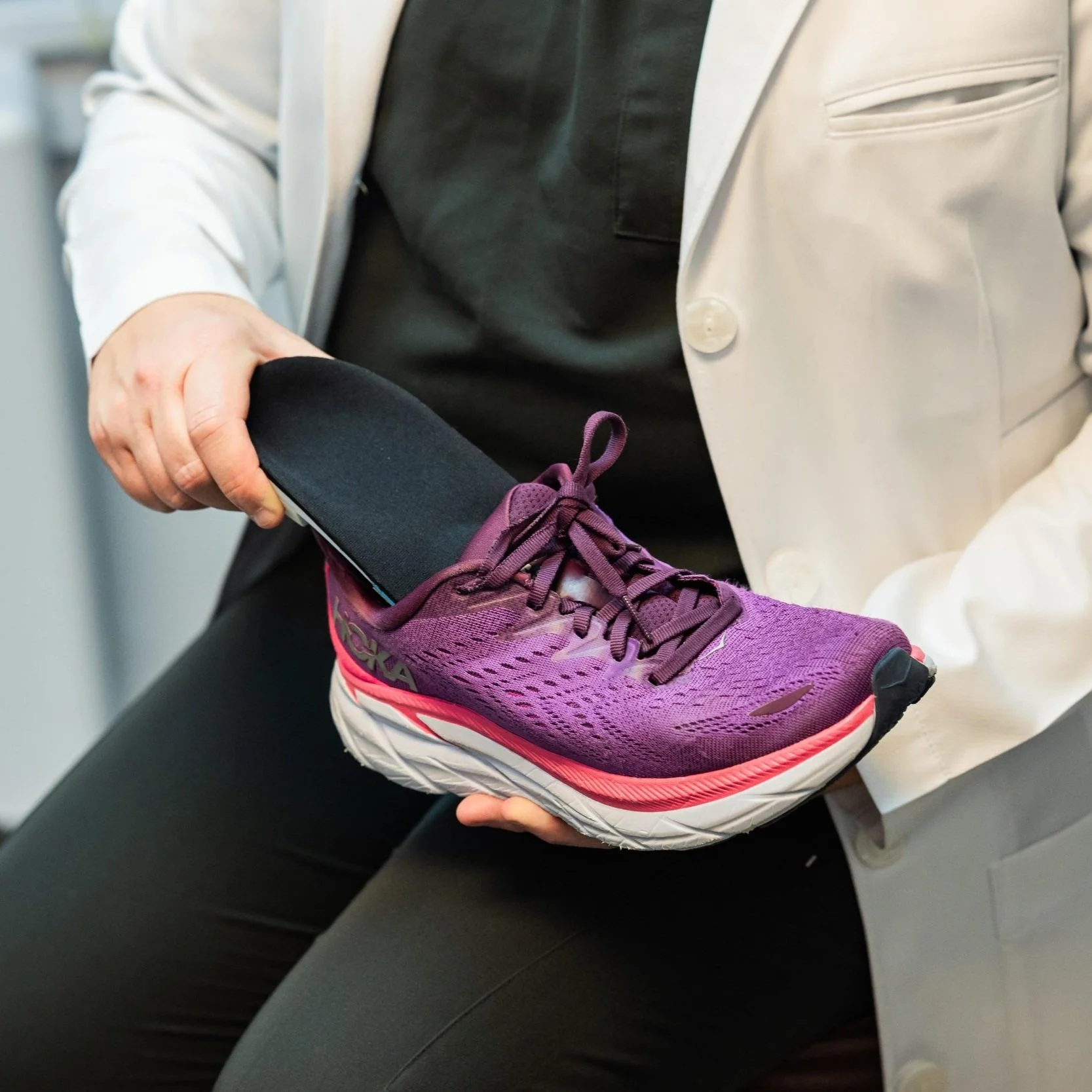
Rather than relying on generic templates, Dr. Young uses a custom molding process performed right in the office to capture the unique shape, alignment, and mechanics of your feet.
This allows your orthotics from City Step Podiatry to be designed around how your feet truly function.
Just as important, custom orthotics at City Step Podiatry are designed to fit your real life. That means considering:
The types of shoes you actually wear
Whether you need orthotics for work, exercise, or everyday use
How they’ll integrate with the supportive footwear you already own
Throughout the process, Dr. Young will take the time to both listen and respond to your questions and to explain why orthotics are being recommended, what role they’ll play in your overall treatment plan, and what they can—and can’t—reasonably be expected to do.
Because our goal in fitting you for custom orthotics is to provide you with clarity and confidence in your decision, not pressure.
What to Expect If You’re Prescribed Custom Orthotics
If custom orthotics are part of your podiatry care plan, the process is straightforward and designed to fit into your routine with little disruption.
After your in-office evaluation and custom molding, your City Step Podiatry orthotics are fabricated specifically for you. In most cases, this process takes a few weeks from fitting to delivery, depending on the complexity of your needs.
Once your orthotics are ready, Dr. Young will review how to use them properly, including:
How to break them in gradually
Which shoes they’ll work best with
What sensations are normal as your body adjusts
Follow-up is also an important part of the process.
Orthotics aren’t meant to be a “set it and forget it” solution—your body adapts to them over time, and adjustments may be needed to ensure your ongoing comfort and their effectiveness.
If something doesn’t feel quite right, Dr. Young can fine-tune the fit so your orthotics continue supporting your feet as intended.
This comprehensive, personalized process helps ensure your orthotics remain a helpful tool—not just another insert sitting in the back of your closet.
A Thoughtful Approach to Custom Orthotics
Custom orthotics can be incredibly effective when they’re used for the right reasons and designed the right way.
They can reduce pain, improve stability, and support long-term foot health—but only when they’re part of a thoughtful, individualized approach.
At City Step Podiatry, Dr. Young prioritizes clarity, education, and patient-centered care. Whether custom orthotics are the right fit for you or another option makes more sense, you’ll always receive honest guidance grounded in experience and evidence.
If you’re dealing with ongoing foot pain, unsure whether orthotics could help, or curious about your options, we’re here to help you make an informed decision.
You can learn more about our custom orthotics process or schedule an appointment easily anytime at our convenient, downtown Chicago office.
City Step Podiatry is here for you! Reach out today to schedule your visit and treat your feet to the care they deserve.