Overpronation vs. Supination: What’s the Difference—and Why It Matters for Your Feet
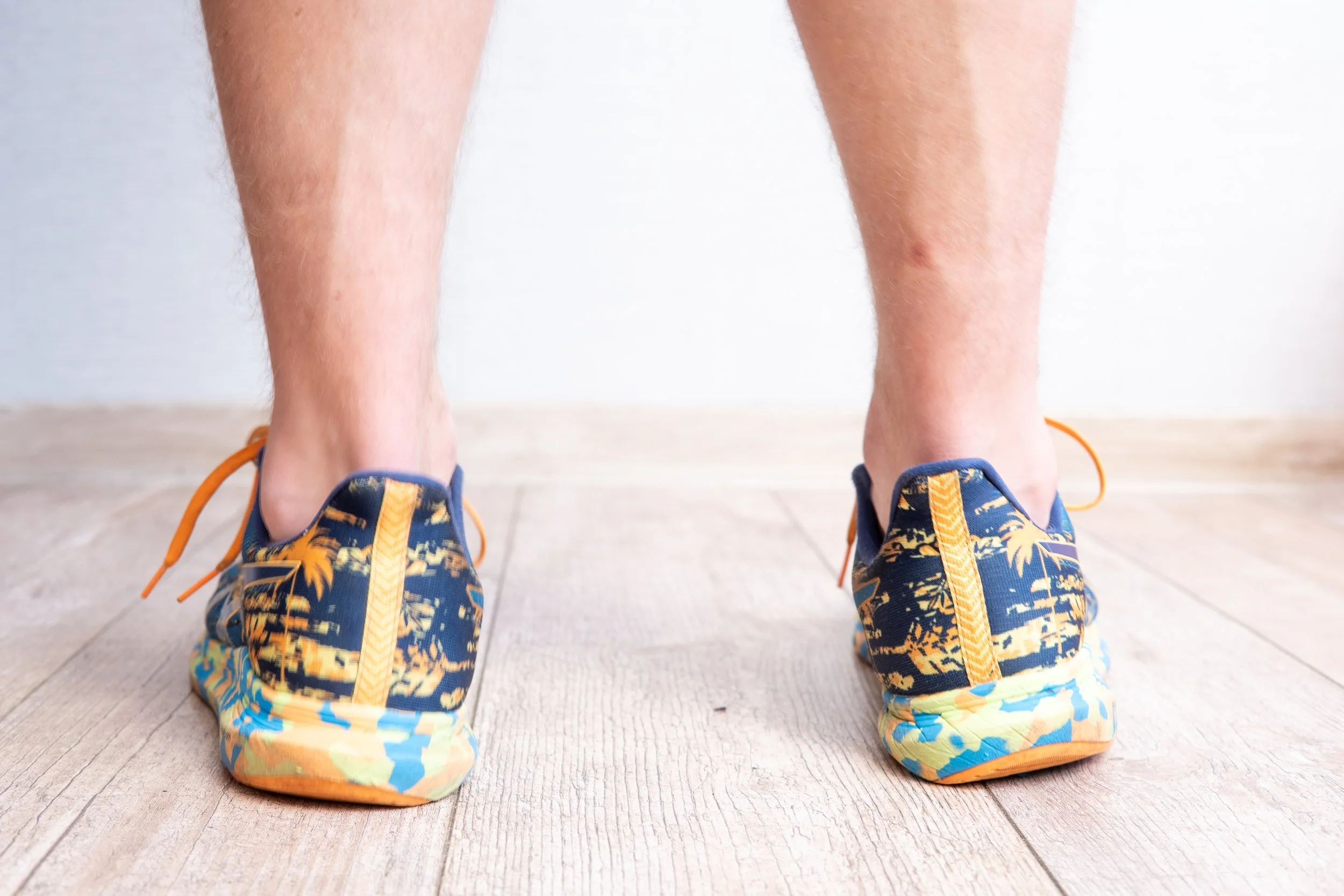
Have you ever looked down at your shoes and wondered why they wear out so weirdly?
Maybe the inside edge wears down first.
Or maybe you feel like your ankles always “roll in.”
On the flip side, maybe your shoes wear down along the outside, and you’ve been told you have high arches—but no one ever explained what that actually means for your feet (or the rest of your body).
If any of these scenarios ring a bell, your foot mechanics may be a big part of the story.
Two of the most common gait patterns we see in podiatry are overpronation and supination (also known as underpronation).
These terms get tossed around a lot—especially in running stores and shoe marketing—but they matter far beyond choosing the perfect pair of sneakers.
They affect how your feet absorb impact, how your ankles stabilize you, and how stress travels up through your legs and joints with every step you take.
That’s why City Step Podiatry is dedicating this month’s informative blog to these two common gait patterns.
In it, we’ll break down what overpronation and supination are, how to spot the signs, what symptoms they can cause, and when it’s time to see a podiatrist.
Let’s get moving.
What Is Pronation (and Why It’s Not a Bad Thing)?
You may have heard the term pronation bandied about like a curse word.
Here’s the truth—pronation is not the enemy.
Pronation is simply the natural inward roll of your foot when you walk or run.
In fact, when your foot lands, it should pronate slightly. This helps your body:
Absorb shock upon impact
Adapt to uneven surfaces
Distribute your weight more evenly
Allow your arches to flex naturally as you move
So, pronation is not only normal but healthy.
The problem is when this movement becomes excessive or barely happens at all.
That’s where overpronation vs. supination comes in—and where our deep dive article kicks off.
Overpronation vs. Supination: Simplified
If you only remember one thing from this blog, make it this:
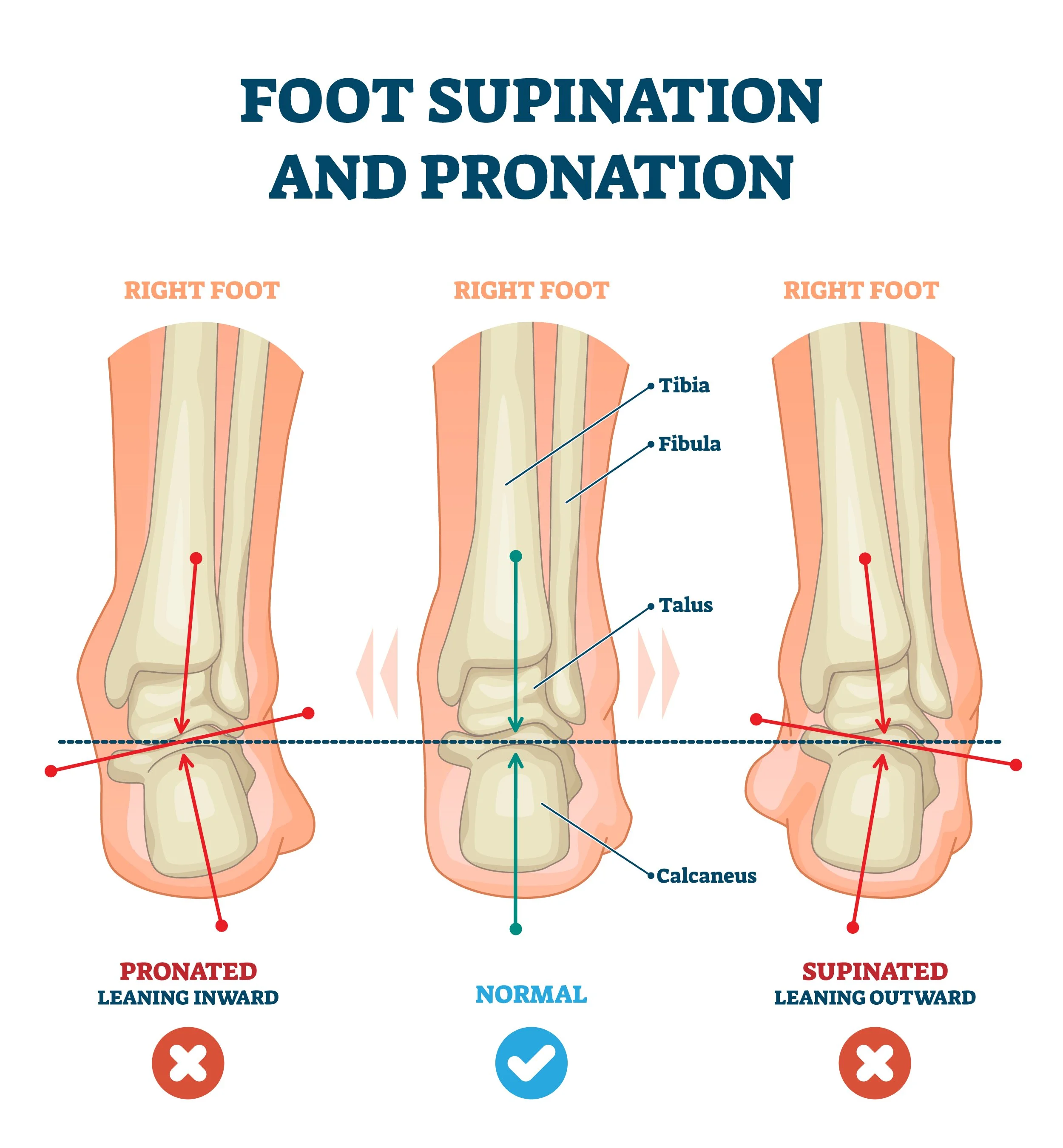
Overpronation = the foot rolls too far inward
Supination = the foot rolls too far outward
When chronic, each can cause issues that affect not only your feet, but also your ankles, legs, back, and hips.
That’s because—
When your foot rolls inward too much, your arch may collapse more than intended.
When your foot rolls outward too much, it becomes more rigid and loads heavily along the outer edge.
Neither of these patterns is optimal for your foot mechanics and health, and both can trigger discomfort and pain—but they tend to do it in different places.
We’ll explore all that. But first, let’s take a look at why foot mechanics are so important for your overall health and well-being.
Why Foot Mechanics Matter More Than Most People Realize
Your feet are your foundation, and they’re also connected to the rest of your body.
Your gait affects your ankles. Your ankles affect your knees. Your knees affect your hips. And everything stacks upward from there—just like the Hokey Pokey told us.
So, even though people often come to their friendly neighborhood podiatrist saying, “My heel hurts,” or “The outside of my foot aches,” the bigger question we assess is usually:
Why is this particular spot getting overloaded every time you walk?
Over time, repeated stress in the wrong place can lead to:
Inflammation
Tendon strain
Foot fatigue
Joint stress
Repetitive-use injuries
This is why overpronation and supination matter to podiatrists and other foot health experts— not because they’re “wrong,” but because they change how your body handles every step. And that can add up over time to negatively impact your health.
So what causes overpronation and supination? Let’s dig into that next.
What Causes Overpronation?
Overpronation is often linked to feet that are more flexible through the arch and midfoot.
Many people with overpronation have flatter arches (or arches that collapse when standing), though this isn’t always the case.
Other contributing factors can include muscle weakness, mobility limitations, pregnancy-related ligament laxity, or even just years of wearing shoes that don’t provide enough stability.
Some of the common overpronation drivers we see in the CSP office include:
Flexible flat feet
Weakness in stabilizing muscles (foot/ankle/leg)
Tight calves or limited ankle mobility
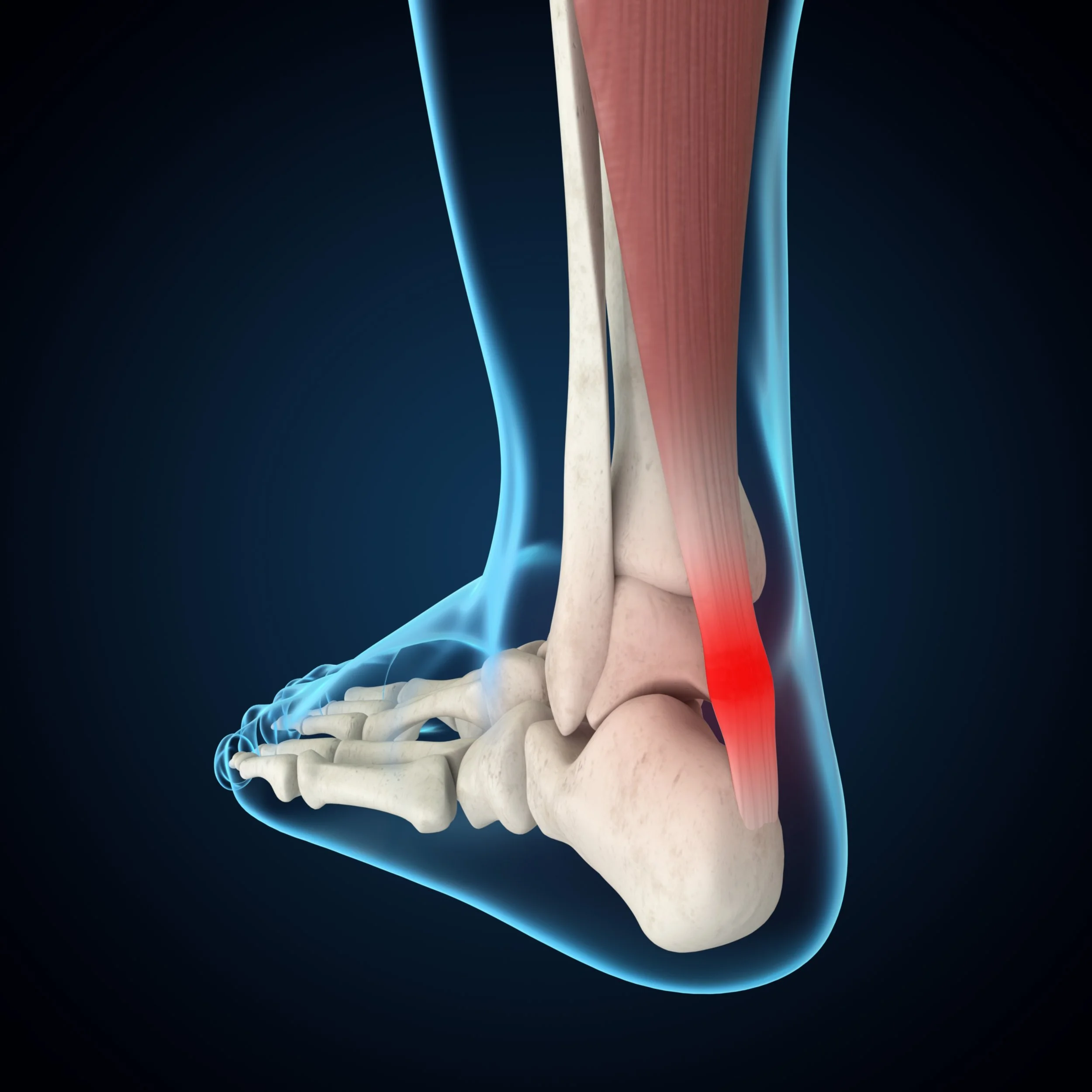
Tendon dysfunction (especially the posterior tibial tendon)
Long-term use of unsupportive footwear
If you’ve heard the term posterior tibial tendon dysfunction (PTTD) before, it’s worth noting: this tendon plays a major role in arch support and foot stability. When it becomes strained or weakened, overpronation can worsen quickly.
Check out our deep dive blog about posterior tibial tendonitis to learn more about this condition.
What Causes Supination?
Supination (aka underpronation) is often associated with a more rigid foot structure.
People with high arches commonly fall into this category because the arch doesn’t flex as easily to absorb impact.
Instead of distributing pressure across the foot, the body tends to load the outer edge more heavily. That means the foot can feel stable in some ways—but also less adaptable to varying surfaces, less shock-absorbing, and sometimes more injury-prone.
Supination can be influenced by:
High arches
Reduced mobility in the midfoot
Ankle instability (especially after repeated sprains)
Muscle imbalances in the lower leg
Previous injuries that affected your gait
If you’re someone who feels like you’re always rolling your ankle, supination may be part of the reason why.
How can you pinpoint these two patterns in the wild? Let’s dig into identification next.
Common Signs of Overpronation
The tricky thing is, overpronation isn’t always obvious—especially if you’re not looking for it. But there are some classic patterns we see in the clinic.
You may have overpronation if:
The inside edge of your shoes wears down faster
Your ankles appear to roll inward when standing or walking
Your arches flatten significantly when weight-bearing
You feel inner ankle fatigue or strain after long walking days
Overpronation is also commonly linked to conditions like:
Inner ankle tendon pain
Shin splints
Knee discomfort related to alignment changes
Common Signs of Supination (Underpronation)
With supination, the outer part of your foot takes on more load—and your foot is often less effective at shock absorption as a result.
You may be dealing with supination if:
The outside edge of your shoes wears down faster
You develop calluses on the outer side of the foot
You feel ankle instability or experience sprains
You notice pain along the outside of the foot or ankle
Supination is often associated with issues like:
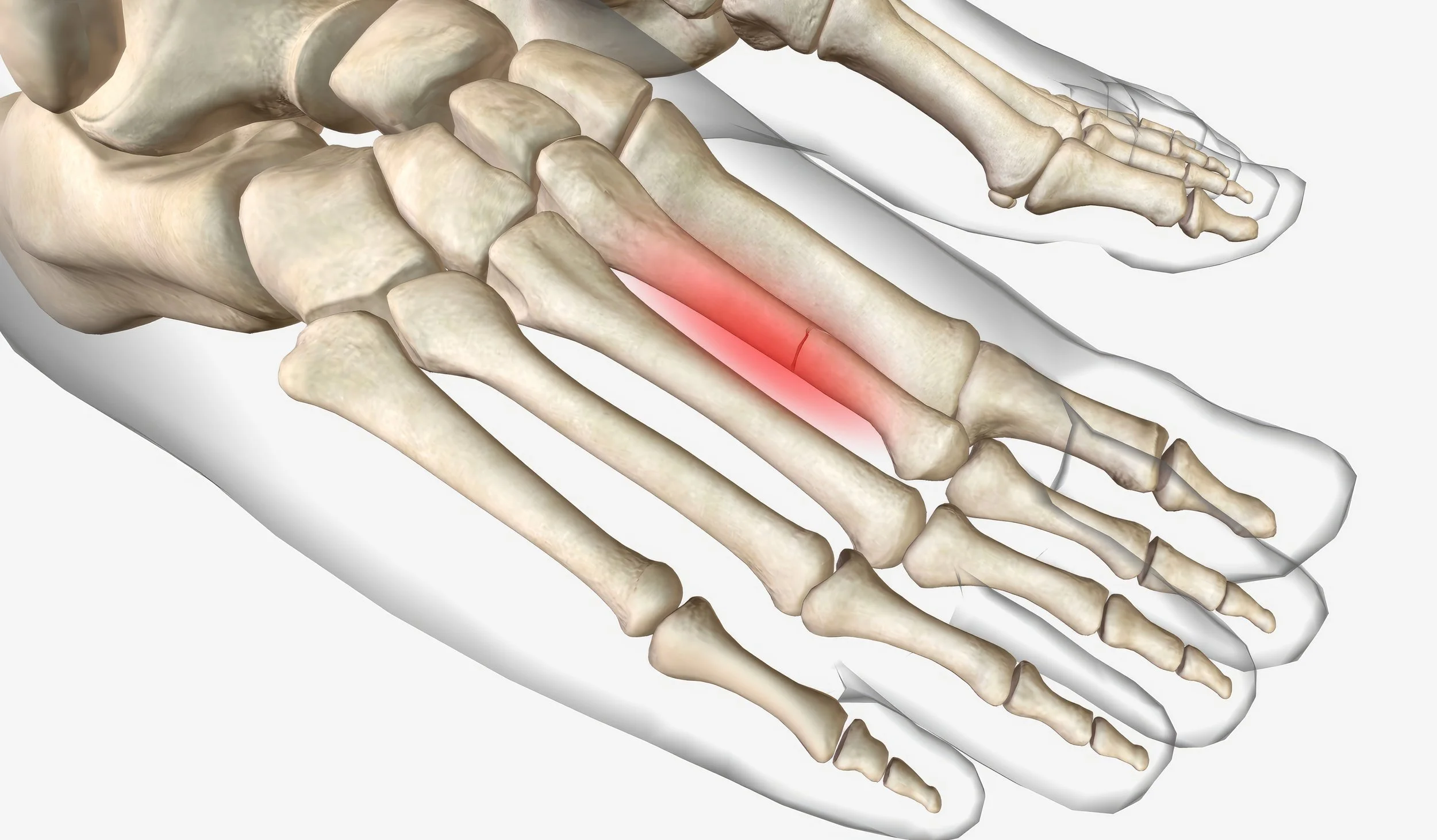
Stress fractures (especially in runners)
Peroneal tendon irritation
Lateral ankle pain
Recurring “mystery aches” from repetitive loading
How to Tell If You Overpronate or Supinate (At Home)
A formal gait evaluation is best (especially if you’re in pain), but there are a couple of quick ways to gather clues at home.
You can use this info to help your podiatrist understand when the issues began, how they’ve progressed, and what the likely cause might be.
Method 1:
Start with your shoe-wear pattern. It’s one of the most telling indicators of how your foot strikes the ground over time.
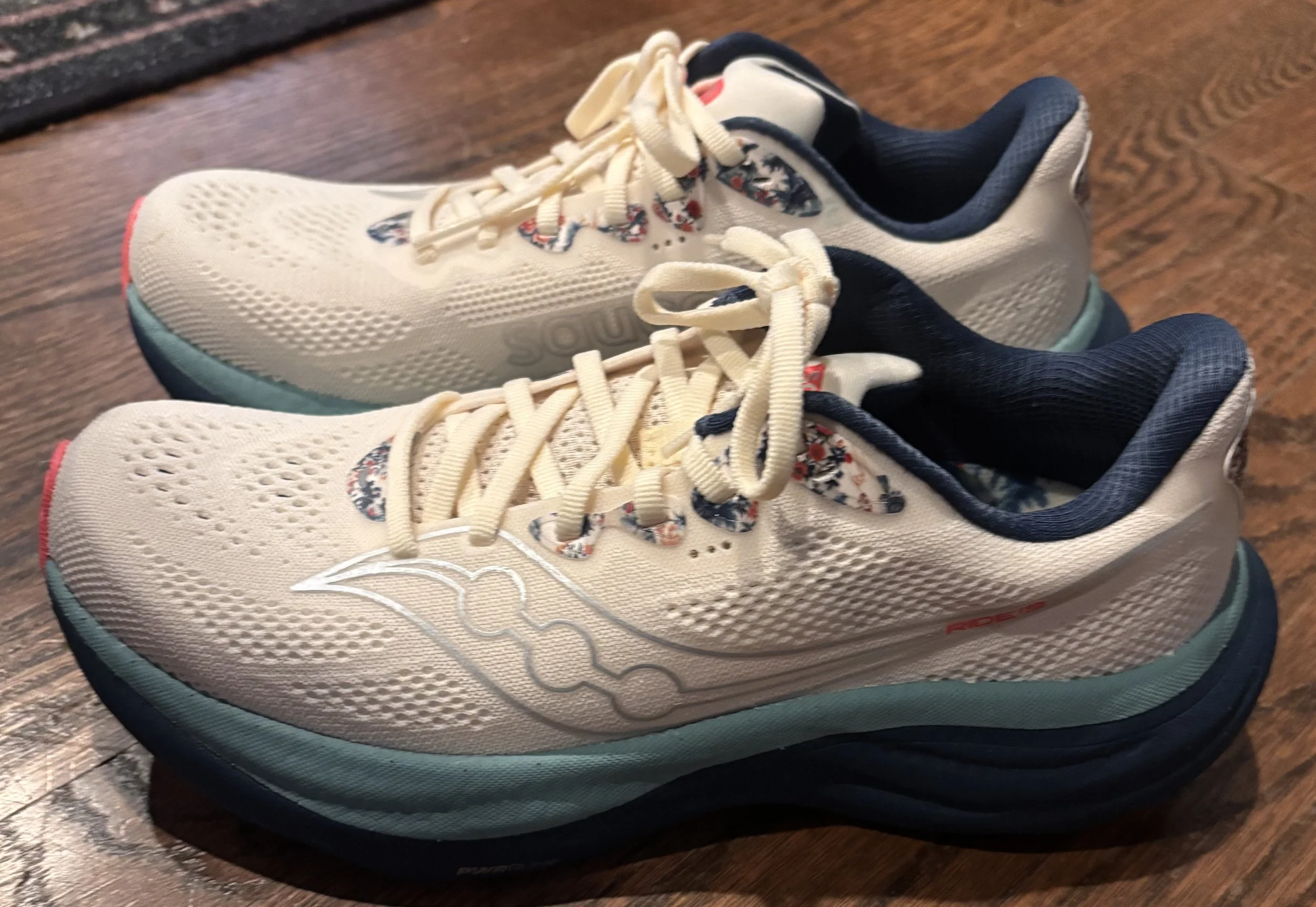
Grab a couple pairs of your most-worn shoes, flip them over, and take a look at the tread.
If your shoe is worn down mostly along the inside edge, overpronation may be at play.
If your shoes are worn down mostly on the outside edge, supination may be more likely.
Method 2:
You can also try the “wet footprint test.”
After you shower, avoid drying off your feet and instead step onto a towel or paper bag you’ve laid out beforehand. Then, take a look at the footprint you’ve left behind.
Your bare footprint can hold a lot of clues:
A wide, mostly-filled-in print may suggest flatter arches and pronation.
A narrow print with a thin connection between heel and forefoot may suggest higher arches and supination.
Now, before you start calling yourself Sherlock, it’s important to remember—these tests aren’t diagnostic and you should still follow up with a qualified expert for official diagnosis. But these quick, at-home assessments can be a useful place to start.
What Foot Pain Can Overpronation and Supination Cause?
Pain is frustrating, but it’s also useful information.
Because when you understand where your feet hurt, it often reveals how your foot mechanics are working (or compensating).
The truth is: Overpronation and supination don’t just change the way you walk—they change which tissues absorb the most stress with every step.
With overpronation, your foot rolls inward more than intended. That can overload your arch, heel, and inner ankle structures over time, especially when you’re on hard surfaces, walking long distances, or wearing shoes that don’t offer enough stability.
With supination, your foot stays more rigid and tends to load the outside edge. Because your foot isn’t absorbing shock as effectively, impact forces can travel upward and concentrate in your outer foot and ankle, which is why this gait pattern is often linked to repeated irritation or overuse issues.
This is also a big reason why your foot pain keeps coming back. If you’re only treating the sore spot—but not the movement pattern behind it—you may end up cycling through flare-ups again and again—and that's not a fun hamster wheel to be on.
This is also where podiatric care comes in. Because identifying the pattern is step one, but correcting the stress it creates is what makes your symptoms less likely to return.
Let's explore when to seek out a podiatrist’s input and care and what that might entail.
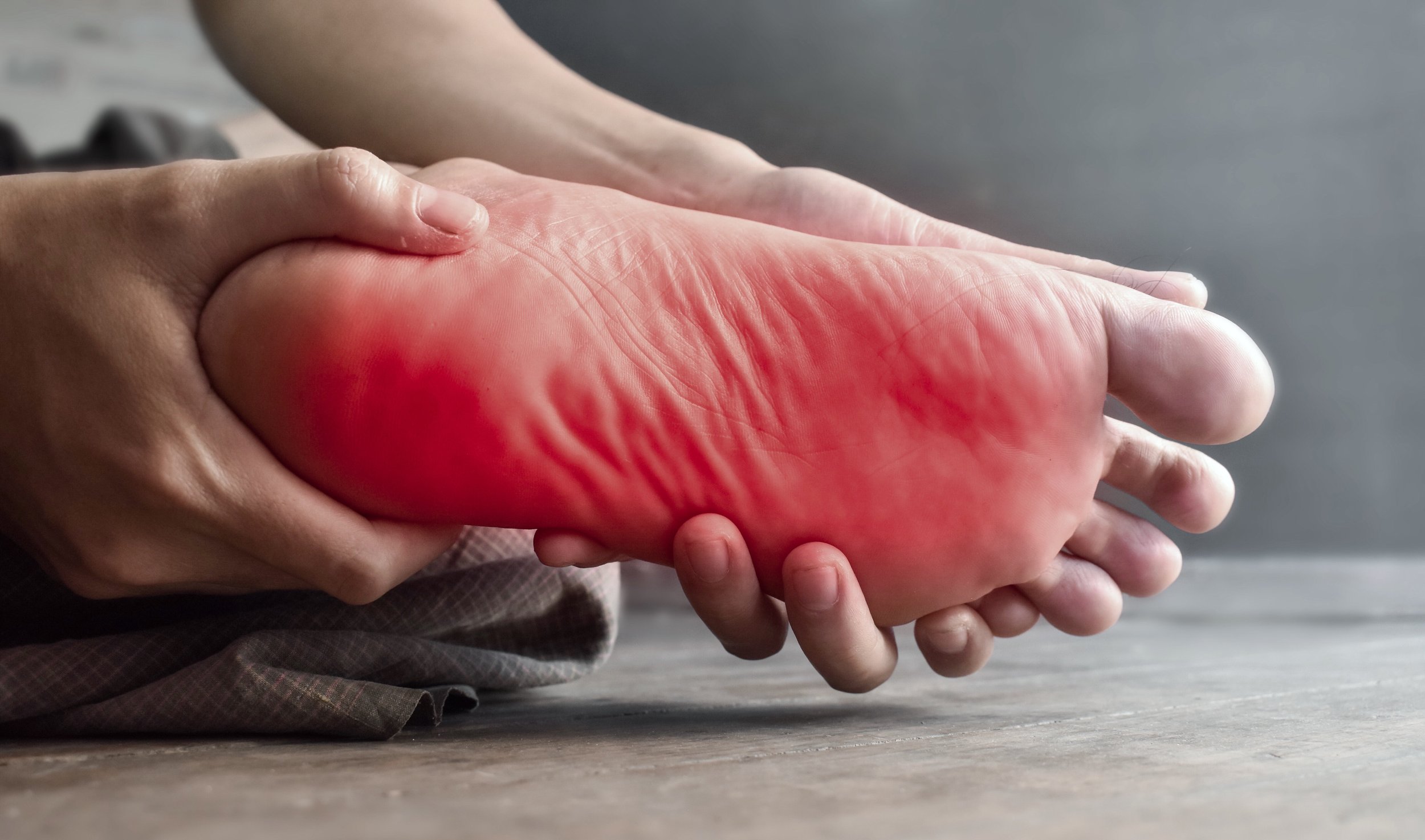
When to See a Podiatrist for Overpronation or Supination
If any of the following are true for you, it’s time to stop guessing and get clarity through professional support:
Your foot pain keeps returning
You have recurring injuries (especially ankle sprains)
You’ve tried multiple shoes/inserts with minimal improvement
You have heel pain lasting more than a couple of weeks
You’re experiencing tingling/burning symptoms
Your walking pattern feels unstable
You don’t have to live in pain and discomfort. Your podiatrist can help guide your recovery with personalized tools and strategies to help you get back to feeling like yourself again.
At City Step Podiatry, Dr. Young can evaluate your gait, foot structure, and alignment—then help you understand what’s actually happening and what to do next.
Next, we’ll review some potential treatment approaches and misconceptions.
Do You Need “Special Shoes” or Custom Orthotics?
Supportive footwear can make a major difference in some—but not all—cases.
This is especially true if your current footwear is too soft, unstable, or incompatible with your foot structure.
But here’s the key:
Shoes can help you manage symptoms, but they don’t fix biomechanics.
Many people achieve their best results by pairing the right footwear with the right next step—which may include strengthening, mobility work, physical therapy, or orthotics.
Custom orthotics can be especially helpful when:
You need more stability through your heel and arch
Your heel or arch pain keeps returning
Your gait mechanics are contributing to persistent symptoms
Off-the-shelf inserts don’t match your foot structure
You need support tailored to how you move
In general:
Overpronation often benefits from orthotics that help support alignment and reduce midfoot collapse.
Supination/high arches often benefit from better cushioning, stability, and pressure distribution.
If you’re curious, we proudly offer in-house custom orthotic services at City Step Podiatry. Learn more about our process to help determine if it’s right for you.
That said, orthotics aren’t the best first step for everyone—especially if the issue is primarily related to weakness, mobility restriction, nerve symptoms, or an injury that needs direct treatment first.
For more insight into whether custom orthotics make sense for you (and how we decide), check out our in-depth blog: Custom Orthotics Explained: When They Help, When They Don’t, and How We Approach Them at City Step Podiatry.
The Bottom Line: Your Feet Set the Foundation
Your feet are your foundation, and how they move affects everything above them.
Overpronation and supination change how your body absorbs stress with every step.
If you’re unsure which pattern applies to you—or you’re tired of trial-and-error shoe buying—Dr. Young and the City Step Podiatry team are here to help.
Book with us easily online anytime, or stop by the office in downtown Chicago for personalized podiatry support, designed to keep you moving forward.
City Step Podiatry is here for you! Reach out today to schedule your visit and treat your feet to the care they deserve.