Can we ask you a few personal questions?
Do your feet ever look pale, bluish, or bright red after they’ve been exposed to chilly air?
Do your toes feel extra cold, even when the rest of your body is pretty warm and cozy?
Do you ever feel pins and needles in your feet after stepping outside in the cold or walking through a drafty, chilly room?
If any of this sounds familiar, you’re not alone. In fact, these are all common symptoms of Raynaud’s phenomenon, a condition that affects how blood flows to your extremities.
While many people experience Raynaud’s in their fingers, the toes are just as commonly affected, especially during the winter months.
It’s no secret that Chicago winters can be harsh, and this time of year tends to amplify Raynaud’s symptoms, causing concern among Midwestern folks who suddenly find their feet reacting dramatically to the cold as the thermometer plummets.
You deserve to have all the information you need at your disposal to make the best health and wellness decisions for you. That’s why we’re taking our cues from the chilly weather and tackling a topical subject in this month’s informative blog post.
In it, we’ll break down everything you need to know about Raynaud’s phenomenon and how it affects your feet.
Read on, and you’ll discover key insights like:
What Raynaud’s is and why it happens
Why the feet are so commonly affected
Early warning signs and color changes to watch for
What triggers cold-weather flare-ups
When symptoms signal something more serious may be afoot
How podiatric care can help you stay safe and comfortable
What you can do at home to keep your toes warm and protected all winter long
Join us as we take a closer look at Raynaud’s and what you can do to confidently address and manage its symptoms.
What Is Raynaud’s Phenomenon?
Raynaud’s phenomenon (also known as Raynaud's disease) is a condition that causes the small blood vessels in your extremities to temporarily narrow or spasm.
When this happens, blood flow drops, and the affected area can feel numb, cold, or painful. As we mentioned earlier, it most commonly affects the fingers and toes.
But not all Raynaud’s symptoms are created equal. In fact, there are two distinct types of Raynaud’s.
They are:
Primary Raynaud’s
The most common and mildest form
Occurs on its own, without another underlying medical condition
Often triggered by cold temperatures or stress
More common in women and people living in colder climates
Secondary Raynaud’s
Less common but more serious
Associated with underlying conditions like autoimmune diseases, connective tissue disorders, or vascular issues
Symptoms may be more intense and can affect overall circulation health
May require closer monitoring and coordinated medical care
While both forms cause similar outward symptoms, secondary Raynaud’s carries a higher risk of complications because it involves a broader vascular or systemic issue.
Next, let’s take a look at why this condition often impacts the feet.
Why Raynaud’s Affects the Feet
Even though Raynaud’s is often talked about in the context of hand symptoms, the toes are just as vulnerable to this condition.
There are several good reasons for this.
Raynaud’s phenomenon shows up in the feet and toes because they:
Have smaller, more temperature-sensitive blood vessels—As the most distant point from your core circulation center, your toes are naturally more temperature-reactive.
Lose heat quickly—Your feet have a high surface-area-to-volume ratio, meaning they shed heat faster than other parts of the body.
Are frequently exposed to cold floors, drafty entryways, and low temperatures—Even brief exposure to cold surfaces can trigger vasospasms (the medical term for sudden blood vessel constriction).
Are commonly affected in systemic vascular conditions—People with diabetes, peripheral artery disease, or neuropathy may notice worsened symptoms due to overlapping circulation issues.
Experience stress-related triggers too—Stress isn’t just emotional—it can also cause physical changes in circulation. This is why some people notice Raynaud’s symptoms even when they’re indoors.
If your toes seem to overreact to cold weather, it’s not just “sensitivity.” Raynaud’s triggers real physiological changes that affect your blood flow.
These symptoms aren’t just in your head—and they shouldn’t be dismissed.
Common Symptoms of Raynaud’s in the Feet
Raynaud’s symptoms tend to follow a recognizable pattern.
Many people who have it describe its onset and progression as a wave-like sequence of color and sensation changes that occur over a span of minutes to hours.
The most common signs of Raynaud’s include:
Color changes in the toes
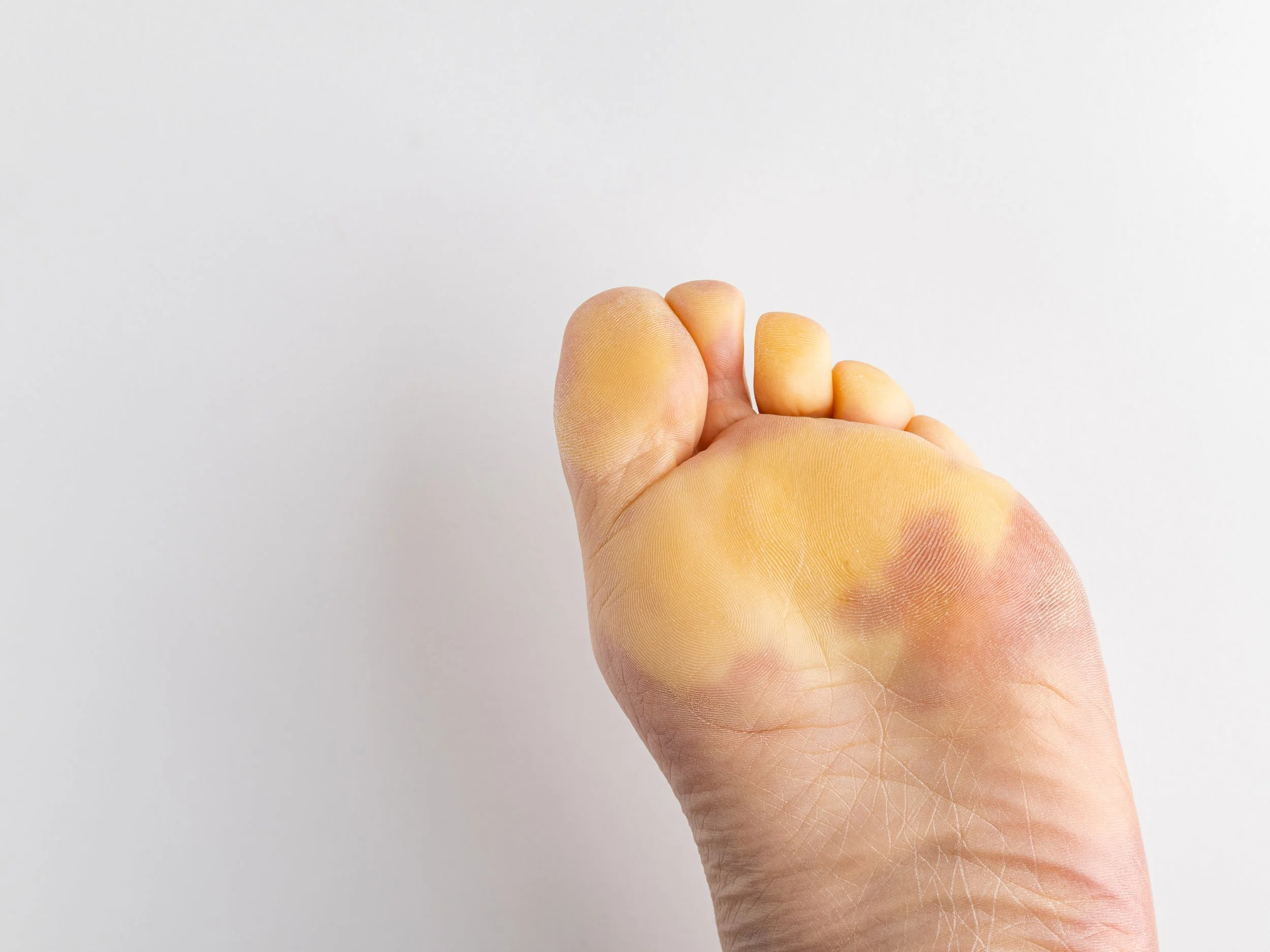
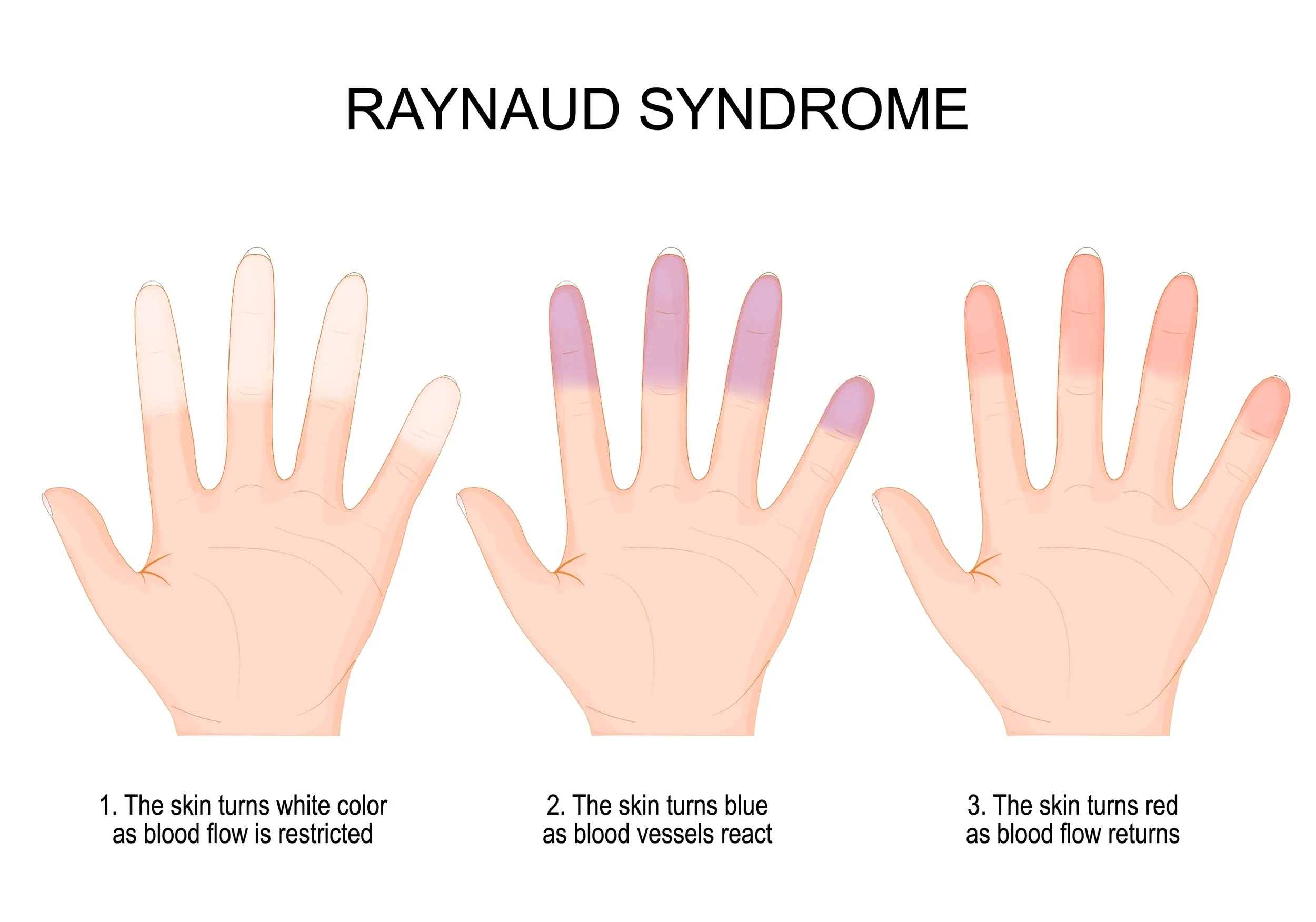
Color changes in the feet are a key symptom of Raynaud’s. Sufferers often notice a three-phase color change:
White (pallor) when blood flow becomes restricted
Blue when oxygen levels drop
Red as blood flow returns and the vessels reopen
Each phase may feel different in terms of temperature and comfort, depending on the individual.
Cold, numb toes
Even mild cold exposure can make your toes feel unusually cold or “dead.” This is akin to the feeling when your hand or leg falls asleep.
Tingling or burning sensation
As blood flow returns, many people feel pins and needles, pulsing, or burning.
Pain or throbbing
The rewarming phase can be temporarily uncomfortable.
Stiffness or difficulty moving the toes
Reduced blood flow can make the toes feel rigid or difficult to bend.
Skin sensitivity
Some individuals experience increased sensitivity to touch during or after an episode.
Symmetrical symptoms
Raynaud’s typically affects both feet at the same time—an important clue when making a diagnosis.
These symptoms may occur occasionally, regularly, or seasonally, depending on the severity and triggers.
If you think you may be experiencing Raynaud’s, it can be helpful to keep track of your symptoms and their progression to share with your trusted podiatrist to support your diagnosis and treatment planning.
What Triggers Raynaud’s Symptoms?
Cold exposure is the most common Raynaud’s trigger, but it’s not the only one. For many people, Raynaud’s episodes are caused by a combination of factors.
We’ve broken them down into categories to help you track them:
Cold temperature triggers
Such as:
Stepping outside in winter
Standing on cold floors
Wearing shoes with insufficient insulation
Walking through drafty indoor spaces
Exposure to refrigerated environments (grocery store aisles, ice rinks)
Emotional or physical stress
Stress can cause blood vessels to constrict, which can trigger a Raynaud’s episode even in warm conditions.
Sudden temperature changes
Such as when:
Moving from warm indoors to cold outdoors
Opening a freezer
Sitting near a drafty window
Going barefoot on tile or concrete
Footwear-related triggers
Including:
Non-insulated shoes
Thin soles
Shoes that allow too much air flow
Tight shoes that restrict circulation
Underlying medical conditions
Some conditions can heighten your cold sensitivity or circulation response, making Raynaud’s flare-ups more frequent.
Understanding your personal Raynaud’s triggers can help you anticipate flare-ups and protect your feet more effectively.
Looping in a podiatrist can also offer you the support you need to reduce Raynaud’s symptoms and flare-ups.
When Raynaud’s Symptoms Need Attention From a Podiatrist
Raynaud’s is often manageable, but certain symptoms may signal that your feet need a closer look—especially if episodes become more intense or begin affecting your daily routine.
You should schedule an appointment if you notice:
Episodes that are becoming more frequent or harder to control
Numbness, burning, or pain that lingers after rewarming
Color changes in the toes even with mild cold exposure
Cracking, delayed healing, or signs of skin breakdown
Symptoms limited to one foot
Signs of infection
Raynaud’s combined with diabetes, neuropathy, or vascular disease
These patterns may indicate secondary Raynaud’s or another underlying condition such as peripheral artery disease, autoimmune disorders, or nerve impairment.
At City Step Podiatry, Dr. Young can evaluate your circulation, assess whether Raynaud’s is the main cause of your symptoms, and guide you toward strategies and treatments that help you move through winter with fewer flare-ups and more confidence.
Let’s take a closer look at how an expert podiatrist like Dr. Young can support you on your Raynaud’s treatment journey.
How a Podiatrist Can Help With Raynaud’s Symptoms
Podiatrists play an essential role in evaluating circulation, identifying risks, and helping you stay comfortable during cold weather.
Dr. Young’s personalized, comprehensive approach includes:
Symptom evaluation
A review of your history, symptoms, circulation, and nerve function helps determine whether your presentation aligns with Raynaud’s or another condition like neuropathy or peripheral artery disease (PAD). She can coordinate additional testing when needed.
Skin and nail protection
Reduced circulation can increase the risk of cracking or skin breakdown. Dr. Young helps you prevent issues early with a winter-appropriate care plan.
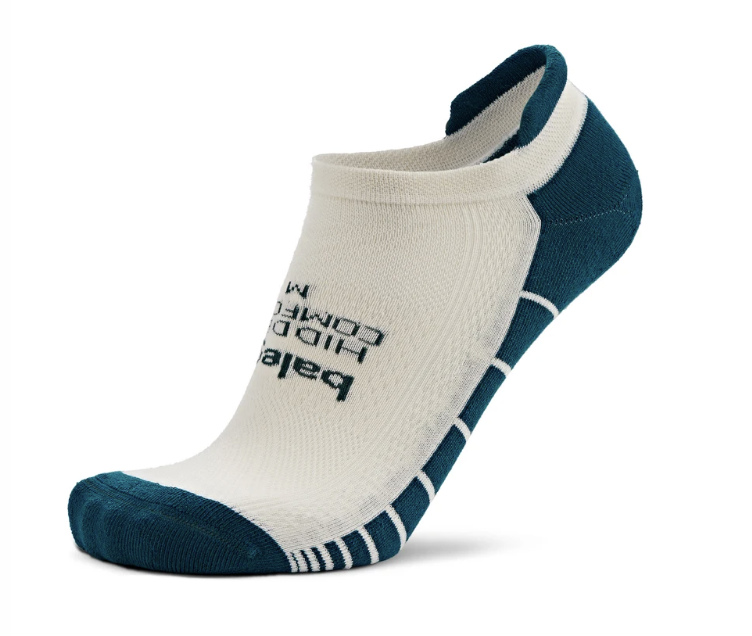
Footwear and sock guidance
Supportive, insulated footwear is essential in reducing flare-ups. Dr. Young can recommend styles that work with your foot type, activity level, and orthotics (if needed).
Activity and circulation strategies
She’ll help you stay active safely and reduce unnecessary flare-ups with simple warmth and movement techniques.
Monitoring for complications
Regular exams are especially important for those with diabetes, neuropathy, or vascular disease.
With the right guidance and care, most people with Raynaud’s can stay active and feel their best throughout Chicago’s chilliest months.
What You Can Do at Home to Protect Your Feet in Cold Weather
Raynaud’s management in daily life often comes down to small, consistent habits that help your feet maintain warmth and support their circulation.
Here are several practical, podiatrist-approved strategies to reduce flare-ups at home:
1. Keep your feet warm
Choose wool or thermal socks (skip cotton), wear insulated boots outdoors, and avoid walking barefoot on cold floors. Pre-warming your shoes with a safe heat source can also help prevent episodes from starting.
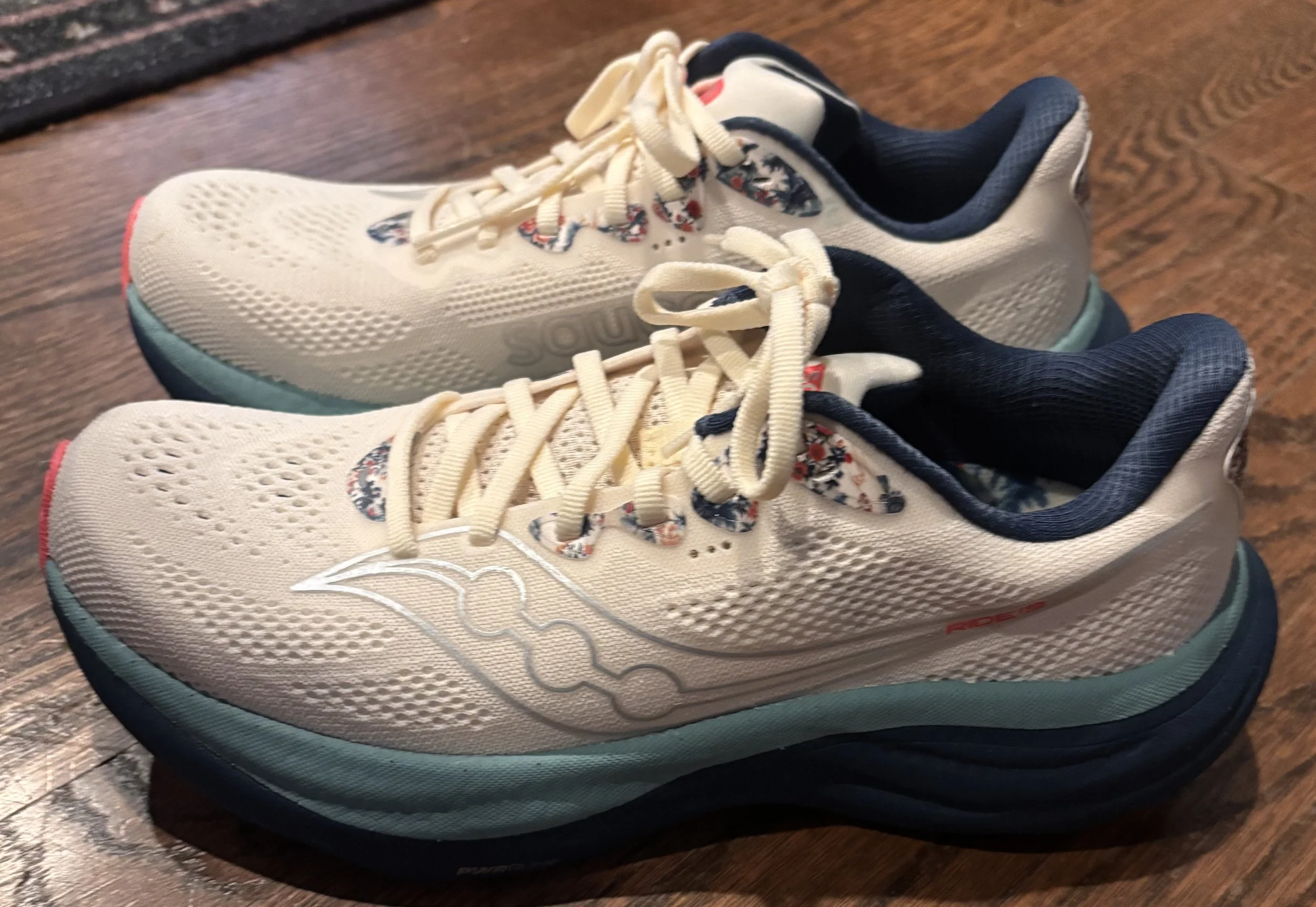
2. Choose footwear that supports heat retention and circulation
Look for insulated shoes with thicker soles, minimal airflow, room for warm socks, and a supportive footbed. Proper footwear can make a noticeable difference during Chicago winters.
3. Keep your core warm
Your feet are part of your body. If your core temperature drops, the body naturally diverts blood away from your extremities. Dressing in layers during colder months—including wearing jackets, scarves, and gloves—helps protect your toes, too, by keeping your core temperature steady.
4. Manage stress when possible
Gentle tools like deep breathing, meditation, stretching, or short breaks throughout the day can help reduce Raynaud’s episodes.
5. Keep moving
Movement stimulates circulation. If you feel a flare starting, try wiggling your toes, rolling your ankles, taking a brief walk, or gently massaging your feet.
6. Avoid smoking
Smoking restricts blood flow much in the same way Raynaud’s does and can intensify Raynaud’s symptoms. If you’re a smoker with Raynaud’s, cutting back or quitting may support symptom reduction and your long-term health and wellness.
7. Protect your skin
Cold weather dries out skin quickly, which increases the risk of cracking. A daily moisturizer can help maintain your skin barrier and reduce irritation.
These home strategies, paired with podiatric guidance when needed, can help you navigate winter with fewer flare-ups and healthier-feeling feet.

A Supportive Partner in Your Foot Health Journey
Raynaud’s may be more noticeable during the winter, but it doesn’t have to disrupt your life. With practical strategies and an understanding of your triggers, you can manage symptoms and support healthier circulation all season long.
If you’re noticing color changes, unusual cold sensitivity, or symptoms you’re unsure about, Dr. Young and the City Step Podiatry team are here to help. We’ll evaluate your symptoms, explain what they mean, and guide you toward steps that support your long-term foot health.
Whether you’re looking for answers, preventive care, or help managing new symptoms, you don’t have to navigate it alone.
Book online anytime or stop by our downtown Chicago office—we’re here to support every step you take. For expert support at home or on the go, be sure to keep an eye on our blog.
City Step Podiatry is here for you! Reach out today to schedule your visit and treat your feet to the care they deserve.