We’ve all been there.
You’ve been sitting cross-legged for a little too long, you stand up, and suddenly your foot feels like it belongs to someone else.
Then come the pins and needles.
Usually, a quick change in position, some foot flexes, and a few awkward steps are enough to get things back to normal. But what happens when numbness or tingling in your feet keeps coming back—or shows up without an obvious explanation?
Changes in sensation can happen for all kinds of reasons, from something as simple as tight shoes to an underlying condition affecting your nerves or circulation.
And while an occasional sleepy foot is usually nothing to lose sleep over, recurring or persistent symptoms deserve a closer look.
At City Step Podiatry, we know your feet can tell you a surprising amount about what’s happening throughout your body.
So, let’s explore some of the most common reasons your feet may feel numb or tingly, the clues that can help pinpoint what’s going on, and when it’s time to get a professional opinion.
Common Causes of Numbness and Tingling in Your Feet
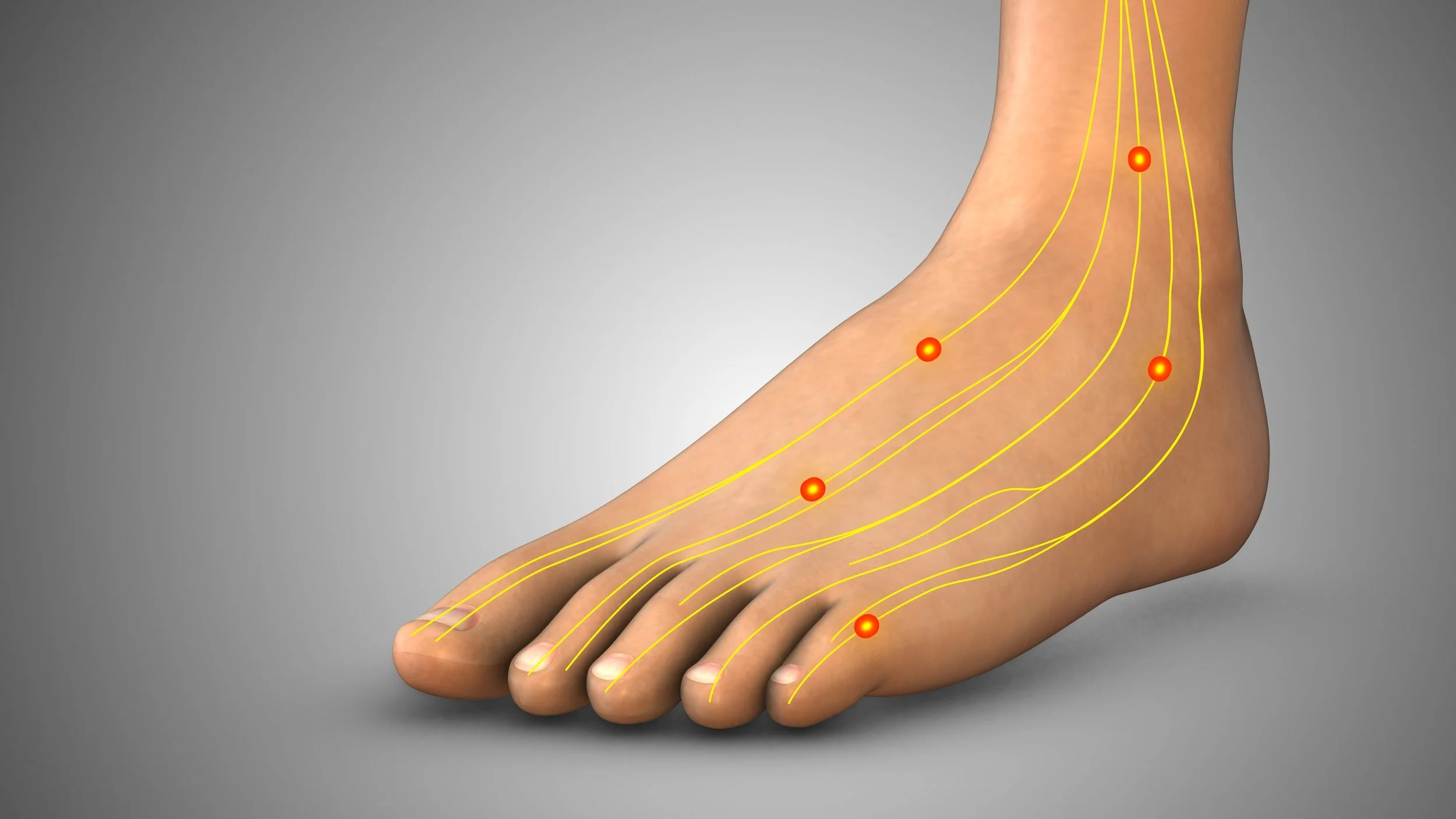
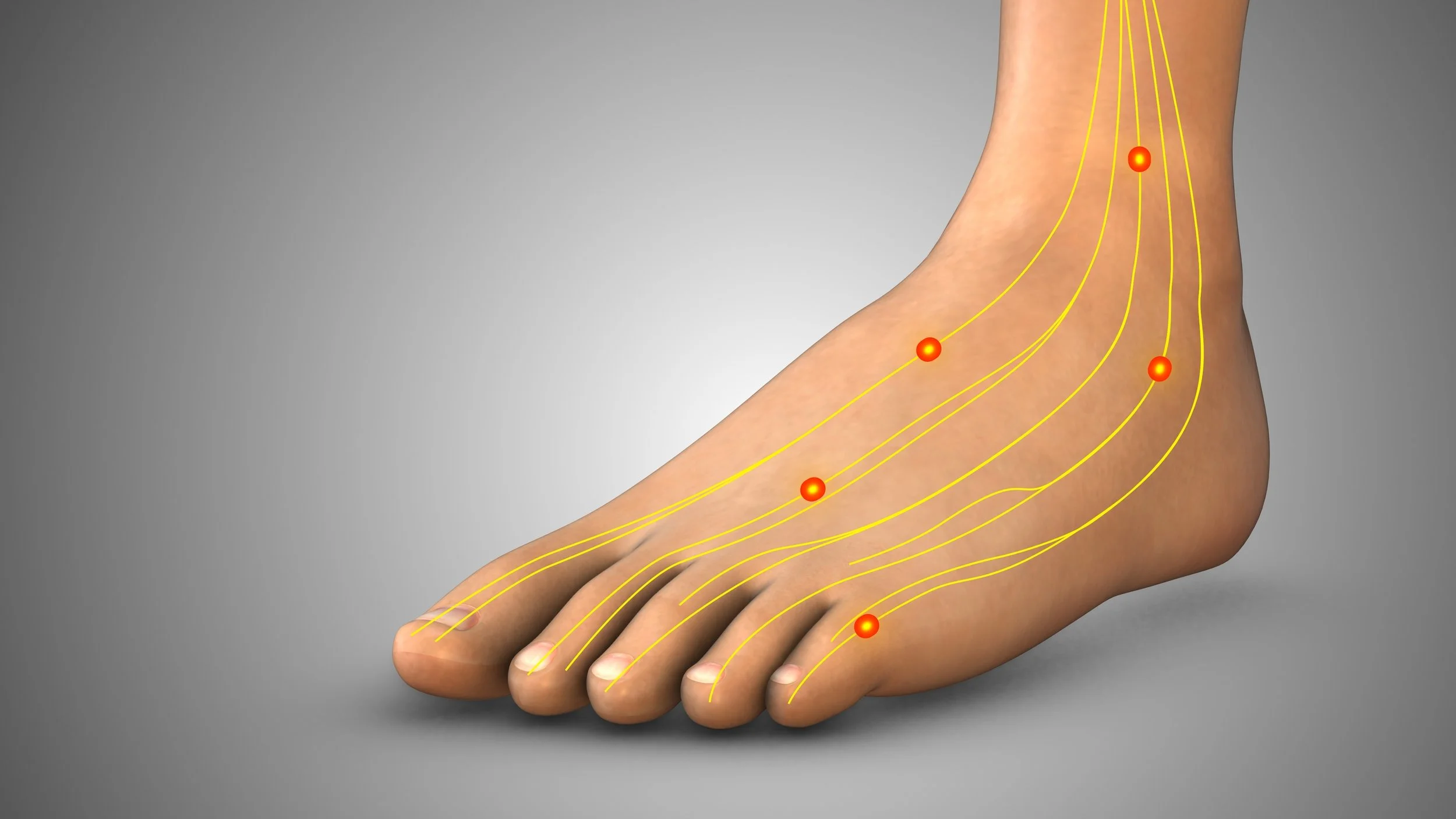
Your feet contain thousands of nerve endings, and those nerves travel through a much larger network extending up your legs and all the way back to your spine.
That means the source of altered sensation isn’t always exactly where you feel it.
Here are some of the more common possibilities:
Your Shoes or Laces Are Putting Pressure on a Nerve
Before jumping to a medical condition, take a look at what’s on your feet.
Shoes that are too tight can compress nerves and put excessive pressure on different areas of the foot. Even a shoe that technically fits can cause trouble if its shape doesn’t work well with yours.
Your laces can get in on the action, too.
Lacing your shoes too tightly—particularly across the top of your foot—can put pressure on superficial nerves and contribute to numbness or tingling.
If your symptoms tend to appear during a run, workout, long walk, or workday and disappear after you take your shoes off, your footwear deserves some scrutiny.
Feet can also swell as the day goes on or during longer periods of activity, which means a shoe that felt perfectly comfortable at 8 a.m. may feel very different several hours later.
Pay attention to when your symptoms start and what you’re wearing when they happen. Your shoes may be giving you an important clue.
A Nerve Is Irritated or Compressed
Sometimes the pressure isn’t coming from your shoes.
A nerve can become irritated or compressed within the foot or ankle itself, producing tingling, burning, numbness, or pain in a particular area.
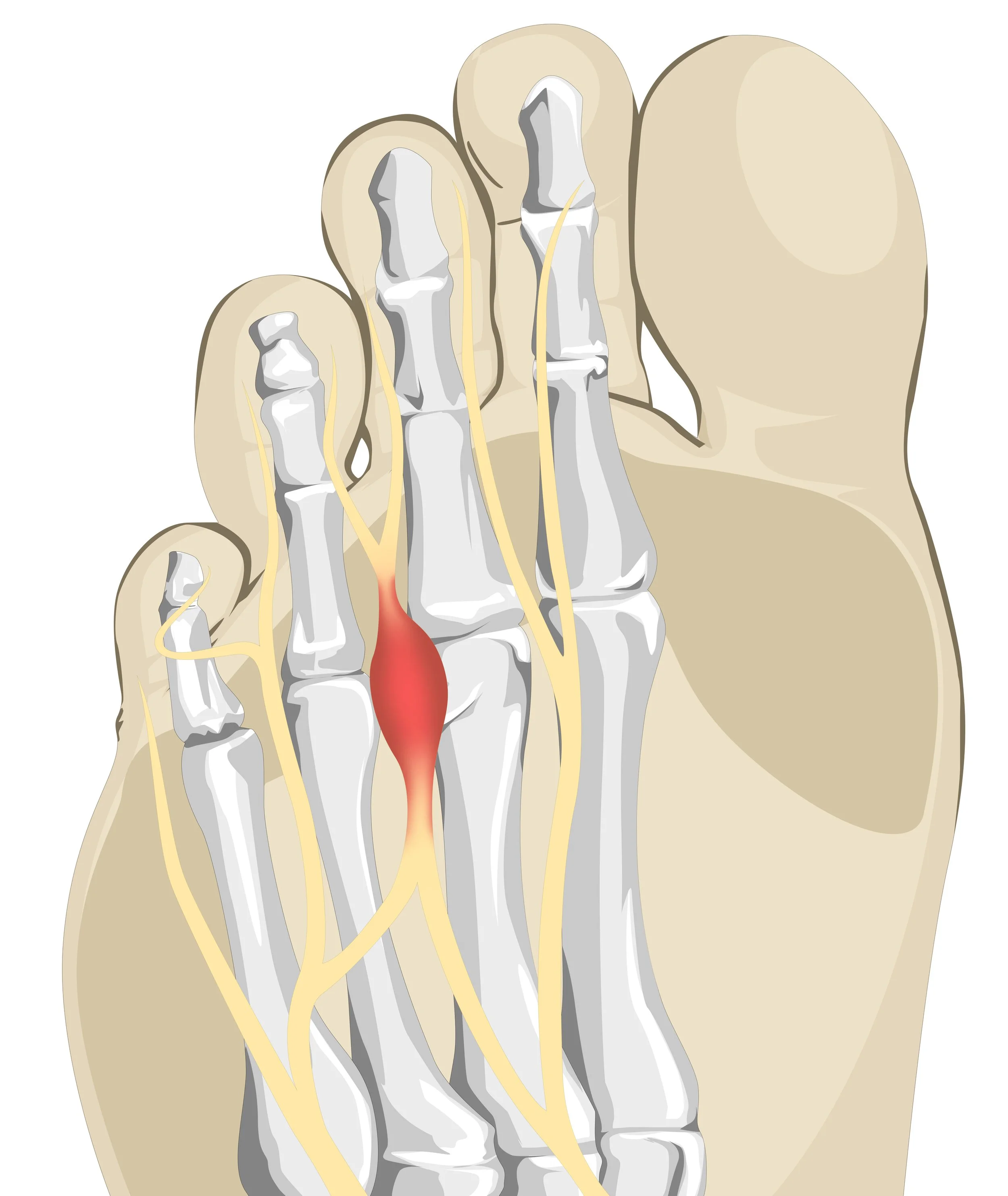
Morton’s neuroma is one example. This condition involves thickened tissue around a nerve in the forefoot and commonly develops between the third and fourth toes. Along with pain in the ball of the foot, it can cause burning, tingling, or numbness that extends into the toes.
If this sounds suspiciously familiar, check out our deep-dive blog on Morton’s neuroma to learn more about this condition and how podiatrists treat it.
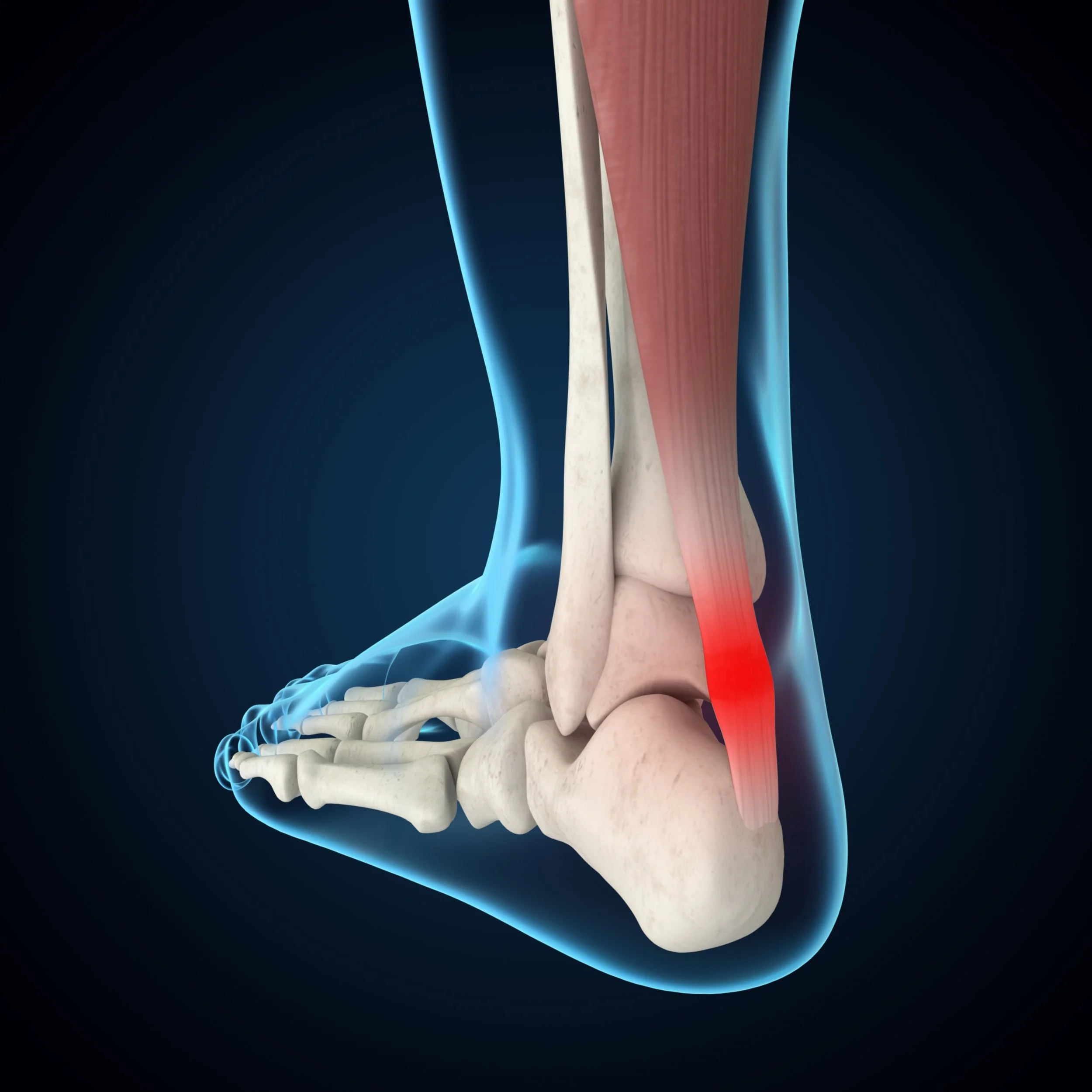
Another possible source is tarsal tunnel syndrome, which occurs when the posterior tibial nerve becomes compressed as it travels through a narrow space near the inside of your ankle.
And here’s an important wrinkle: a nerve problem affecting your foot doesn’t necessarily start in your foot.
A nerve that’s irritated or compressed farther up your leg or in your lower back can cause numbness or tingling that travels all the way down to your foot.
That’s one reason pinpointing where you feel tingling is useful, but it doesn’t always tell us where the problem originates.
Peripheral Neuropathy Is Affecting Nerve Function
If numbness or tingling is persistent, affects both feet, or gradually becomes more noticeable over time, peripheral neuropathy may be another possibility.
Peripheral neuropathy develops when nerves outside the brain and spinal cord become damaged. Symptoms frequently begin in the feet and may include tingling, burning, numbness, pain, weakness, or changes in sensitivity.
There are many potential causes of peripheral neuropathy, which is why numb feet shouldn’t automatically be treated as a diagnosis in themselves.
Diabetes is one of the most common causes of peripheral neuropathy. Over time, high blood sugar can damage both your nerves and the small blood vessels that help keep them healthy. That damage can lead to numbness, tingling, burning, and other sensation changes in your feet.
And losing some of the feeling in your feet is one reason paying attention to them is so important when you have diabetes. Check out our blog on diabetic foot care to learn more about how diabetes can affect your feet and what you can do to protect them.
You can also explore our blog on the foot-body connection to learn more about what your feet can reveal about diabetes and other conditions affecting your overall health.
Of course, diabetes isn’t the only possible cause of peripheral neuropathy.
Certain autoimmune and metabolic conditions, vitamin deficiencies, some medications, infections, injuries, and exposure to toxins can also damage peripheral nerves.
Whatever the cause, loss of sensation can create problems beyond the numbness itself.
If you can’t feel part of your foot normally, you may not notice a blister, cut, pressure point, or other injury as quickly as you ordinarily would. That makes it easier for a seemingly minor foot problem to go unnoticed and potentially become more serious.
We’ve covered peripheral neuropathy in much more detail before, so head over to our deep-dive blog to learn more about its symptoms, causes, and how a podiatrist can help.
Circulation May Be Part of the Picture
Your nerves aren’t the only system that can change how your feet feel.
Your feet also rely on healthy blood flow to deliver the oxygen and nutrients their tissues need. Problems affecting circulation can sometimes contribute to numbness or other unusual sensations in the lower extremities.
But “poor circulation” and neuropathy aren’t interchangeable terms.
One involves blood flow; the other involves nerve damage or dysfunction. Some health conditions can affect both systems, which is one reason symptoms in the feet sometimes offer clues about health issues elsewhere in the body.
Changes in circulation may also come with other signs, such as feet that feel unusually cold, changes in skin color, wounds that are slow to heal, or pain in the legs with activity.
If cold, numb, or discolored toes affect you, our blog on Raynaud’s takes a closer look at what causes these changes and how a podiatrist can help.
What Is Your Tingling Trying to Tell You?
When it comes to numbness and tingling, the details can tell you a lot.
Pay attention to when your symptoms happen, where you feel them, and what seems to bring them on.
Maybe your foot only goes numb in a certain pair of shoes or halfway through your run.
Perhaps the tingling is limited to a couple of toes, while the rest of your foot feels completely normal.
Or you may notice that both feet have gradually become less sensitive over time.
Where the sensation starts can offer another clue.
Numbness or tingling that begins in your back or leg and travels down toward your foot may point in a different direction than symptoms that stay confined to one area of your foot.
It also helps to notice how long the sensation lasts and what makes it better or worse.
If loosening your laces makes the tingling disappear, for example, that tells a different story than numbness that sticks around no matter what shoes you wear.
And don’t forget about any other changes happening alongside it.
Pain, burning, muscle weakness, balance problems, swelling, skin-color changes, or a wound you didn’t initially feel can all provide useful context.
The good news is, you don’t need to solve the mystery yourself.
The more you can tell your podiatrist about what you’re experiencing and when it happens, the easier it is for them to help you figure out what may be causing it.
When Should You Worry About Numbness or Tingling in Your Feet?
A foot that wakes back up after you uncross your legs is one thing. Numbness without a clear explanation is another.
If tingling or numbness persist, get worse, or begin affecting your daily activities, it’s worth evaluating further.
The same goes for changes in sensation accompanied by ongoing pain, weakness, balance problems, or changes to your skin or nails.
And don’t wait for pain to appear before paying attention.
If you have diabetes or known neuropathy, make a habit of checking your feet regularly for changes you may not be able to feel.
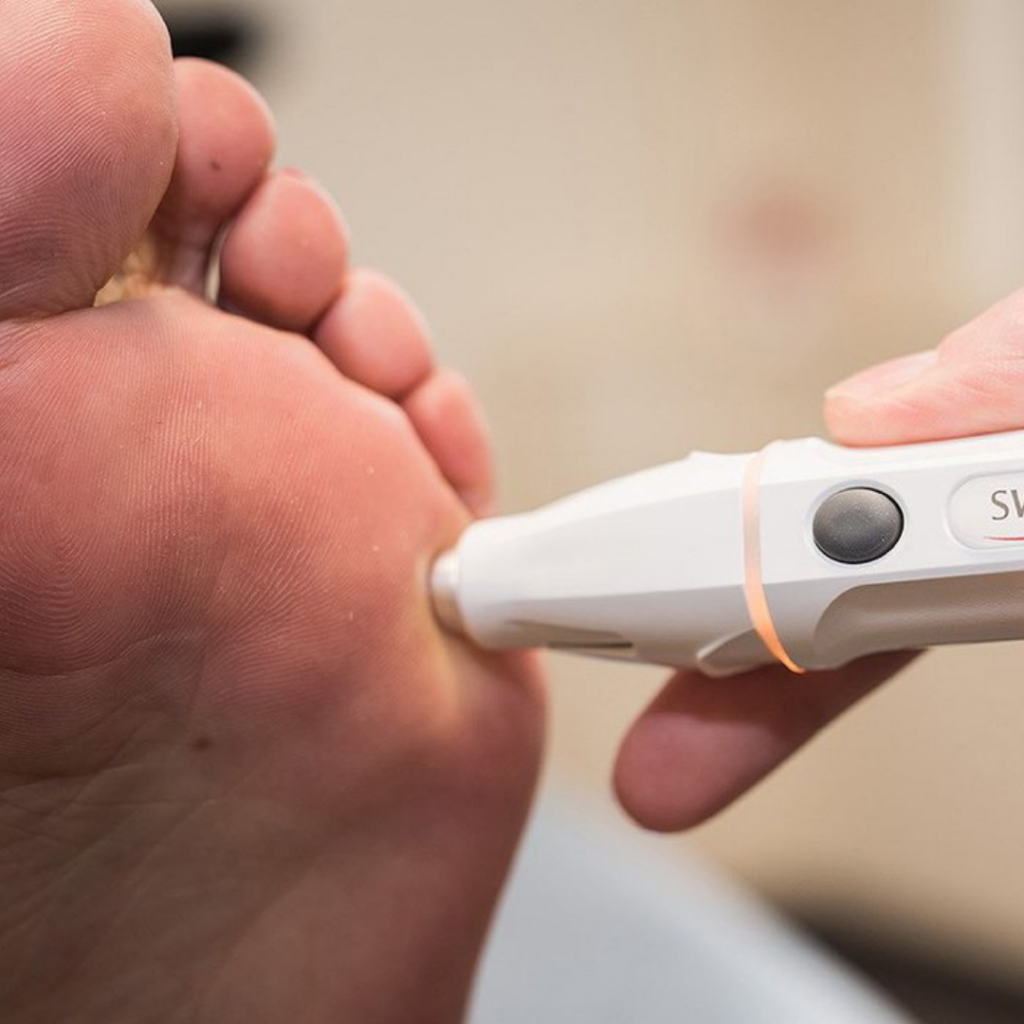
A podiatrist can examine your feet and look at where and how your symptoms are showing up to help determine whether the problem may involve your nerves, circulation, footwear, foot mechanics, or something else entirely.
If your symptoms point toward an underlying medical condition or a problem originating elsewhere in your body, your podiatrist can also help guide you toward the appropriate next step.
Want to learn more about what falls under the podiatry umbrella? Our blog on what podiatrists do explores the many ways these specialists can help keep your feet and ankles healthy.
Know When It’s an Emergency
Of course, some symptoms shouldn’t wait for a routine podiatry appointment.
Sudden numbness—especially if it affects an entire leg or occurs with weakness, difficulty speaking, confusion, dizziness, or a severe headache—can signal a medical emergency and warrants immediate care.
Likewise, a foot that suddenly becomes unusually cold, pale or discolored, and numb or severely painful may signal an acute circulation problem that needs prompt medical attention.
When a dramatic change happens suddenly, don’t wait around to see if it sorts itself out. Call 911 or seek emergency medical care without delay.
Don’t Ignore What Your Feet Are Trying to Tell You
Every tingle doesn’t need to send you racing to the doctor. Sometimes, your foot really did just fall asleep.
But when numbness or tingling stops being an occasional annoyance, it’s worth paying attention to what your feet are telling you.
Ready to get some answers? Dr. Young and Dr. Lalani combine their podiatric expertise with personalized, attentive care to help you understand what’s going on and find the right path forward.
Schedule your appointment online anytime and take the next step toward healthier, more comfortable feet.
City Step Podiatry is here for you! Reach out today to schedule your visit and treat your feet to the care they deserve.