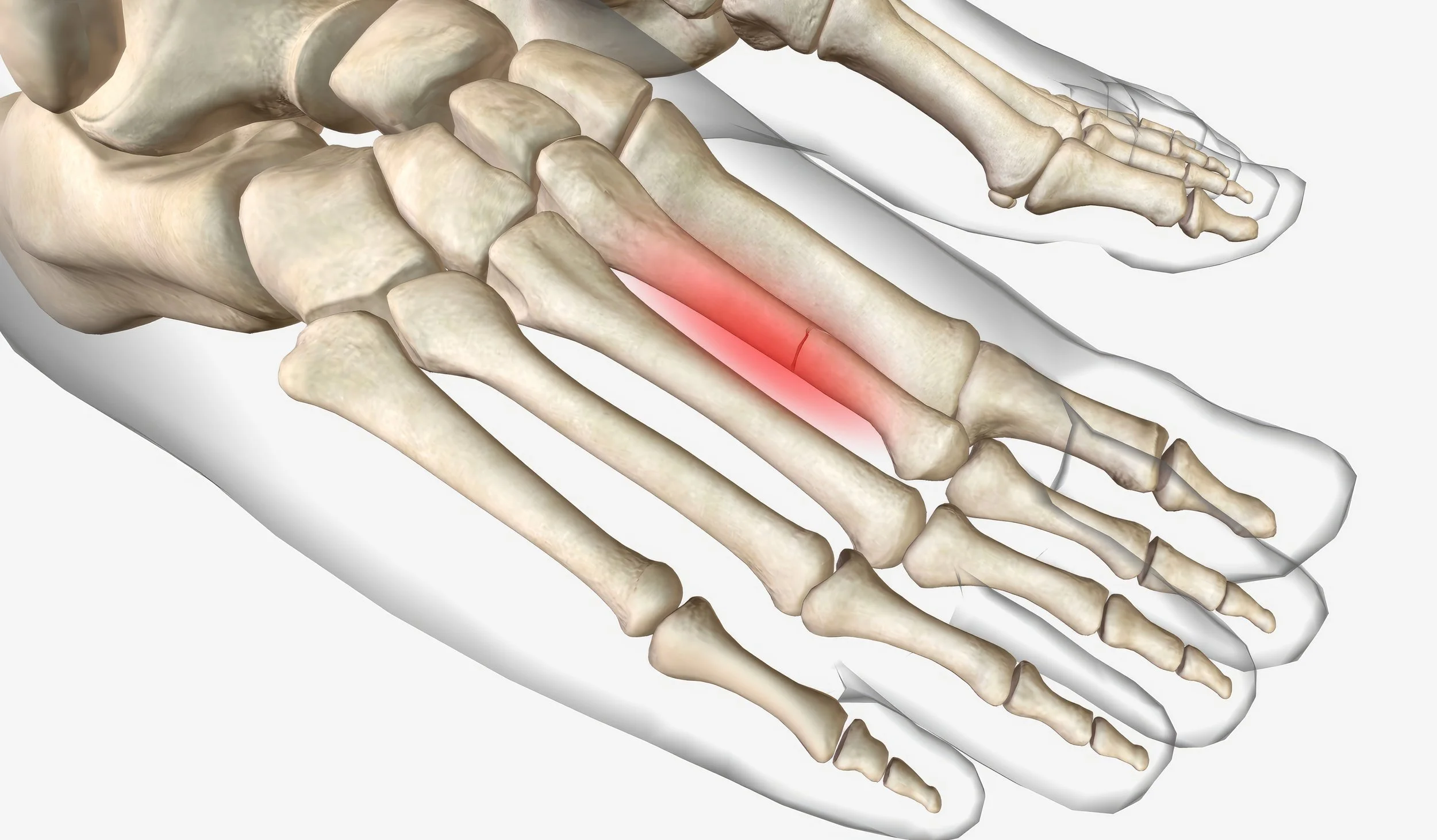
Achilles Tendonitis: Why It Happens, Why It Lingers, and What Actually Helps
If you’ve got even a scrap of knowledge of Greek mythology, you know about Achilles.
As the story goes, he was nearly invincible.
His mother, Thetis, dipped him into the River Styx as a baby, which was said to make his body impervious to injury.
There was just one problem: she held him by the heel, leaving that tiny spot unprotected.
And you already know what happened next.
Achilles eventually met his downfall when a fateful arrow struck his one vulnerable spot. His story gave us the expression "Achilles' heel" for a seemingly small weakness that can bring even the strongest among us down.
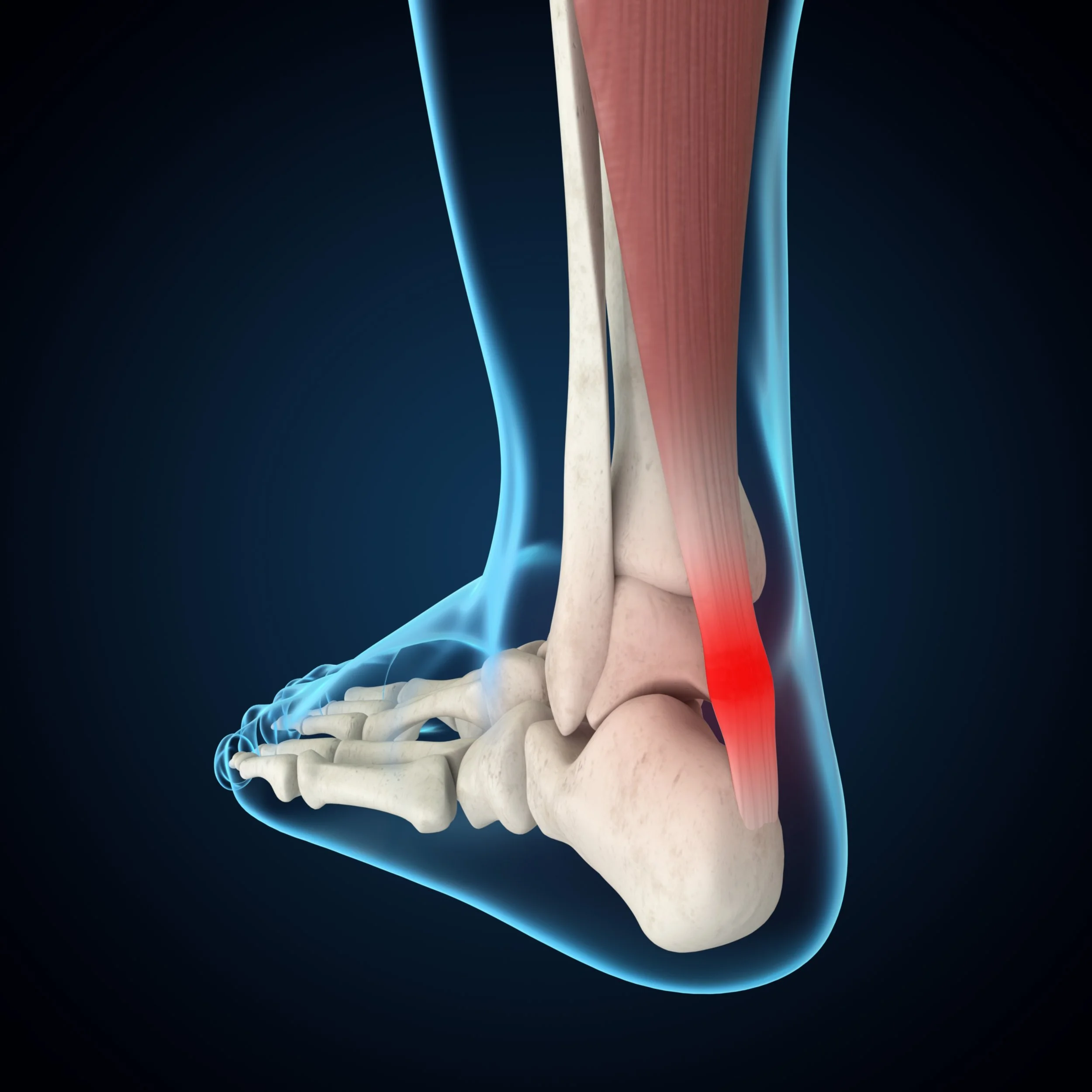
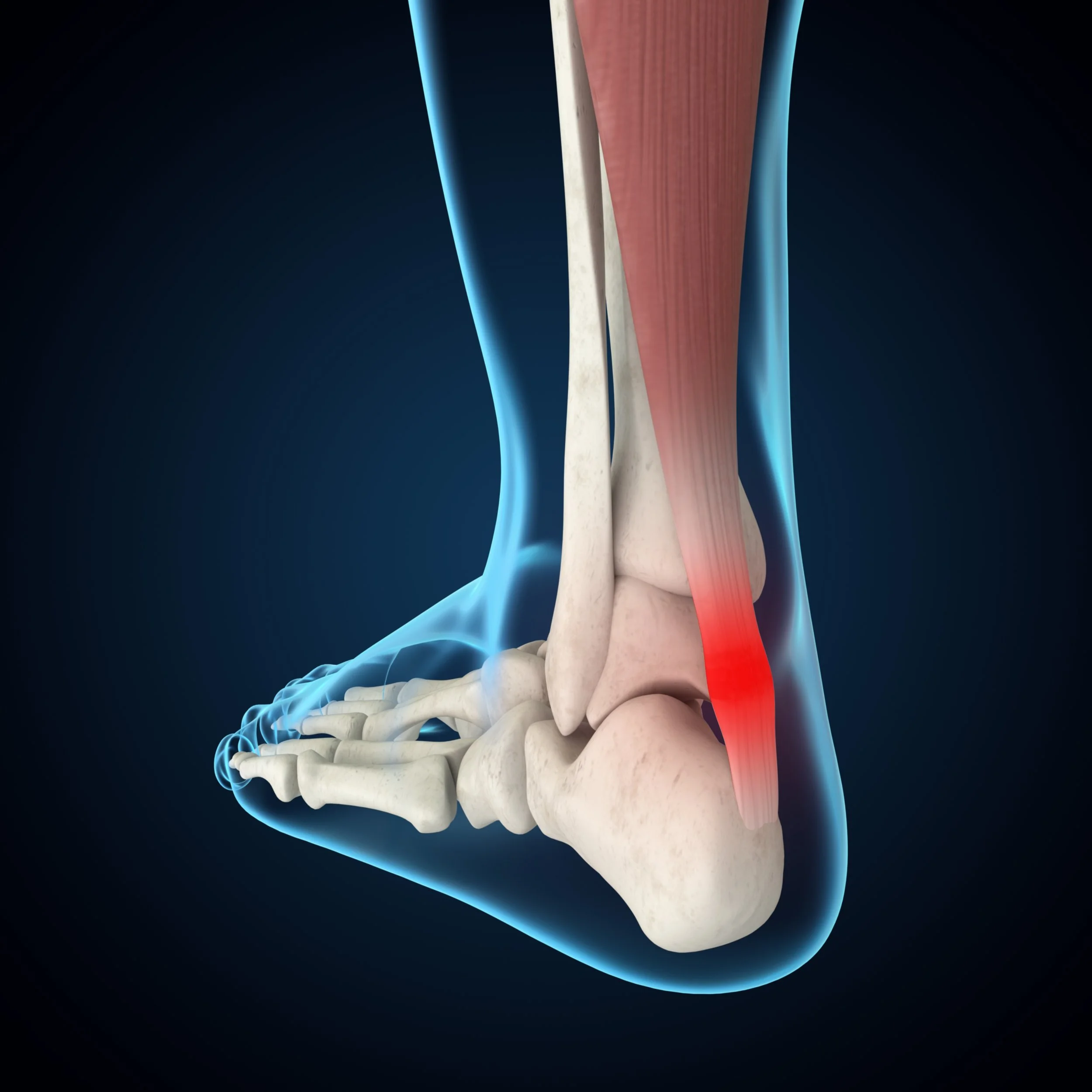
It also inspired the name of the Achilles tendon, the strong band of tissue that connects your calf muscles to your heel bone.
Fortunately, Achilles tendonitis involves significantly less drama than an ancient Greek tragedy. But when this hardworking tendon starts acting up, getting it to settle back down again isn't always so simple.
Maybe you rest it for a few days. Stretch your calves. Cut back on running or walking. Your heel starts feeling better, so you return to your usual routine.
And there it is again.
For many people, Achilles tendonitis is the unwanted gift that keeps on giving.
Why does Achilles tendonitis develop in the first place? Why does the pain keep coming back? And if rest and stretching aren't doing the trick, what actually helps?
Let's find out.
What Gives: Is it Tendonitis or Tendinitis?
Before we dive in, we wanted to clear up something you may have noticed while searching for information about Achilles pain.
Sometimes it's called Achilles tendonitis.
Other times, you'll see it written as Achilles tendinitis.
So, which one is right?
Technically, tendinitis is the preferred medical spelling. But tendonitis has become so commonly used that you'll see both, often referring to the exact same condition.
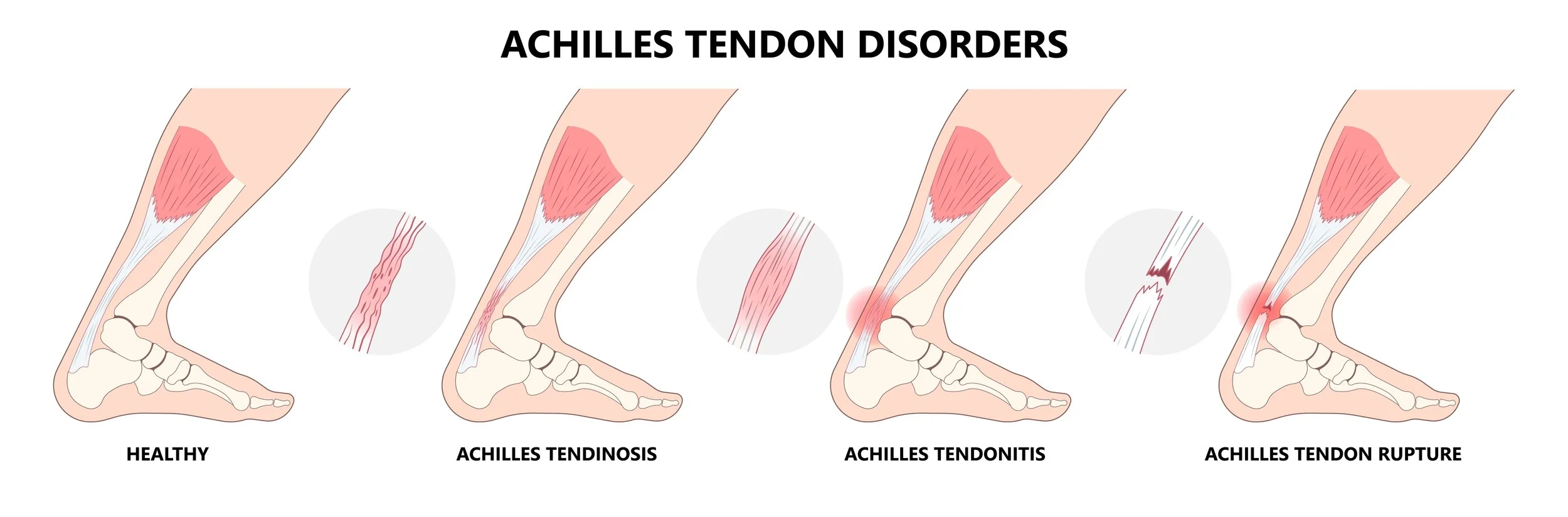
You may also come across Achilles tendinopathy or Achilles tendinosis.
Tendinopathy is a broader term for pain and other problems affecting the tendon and is increasingly used by healthcare professionals.
Tendinosis generally refers to degenerative changes within the tendon that can develop over time.
For our purposes, we'll use Achilles tendonitis throughout this article because it's the term most people recognize and search for.
However you prefer to spell it, we're talking about the same hardworking tendon.
So, what exactly happens when your Achilles starts hurting?
What Is Achilles Tendonitis?
Your Achilles tendon connects the muscles in the back of your calf to your heel bone. It's also the largest and strongest tendon in your body.
And it stays busy.
Every time you walk, run, climb stairs, jump, or rise onto your toes, your Achilles helps you push off the ground and move forward.
That means it handles a significant amount of force throughout the day, especially if you're a runner, athlete, or someone who spends hours on your feet.
Achilles tendonitis develops when the tendon becomes irritated from too much stress or overuse.
You may feel pain or tenderness along the back of your lower leg or just above your heel.
Other common signs of Achilles tendonitis include:
Stiffness, especially when you first get out of bed
Swelling around the tendon
Pain after running, walking, or exercising
Increased discomfort when climbing stairs or walking uphill
Weakness or difficulty pushing off your foot
If these symptoms sound familiar, your next question is probably pretty simple: Why did your Achilles start hurting in the first place?
The answer often comes down to how much you're asking your tendon to take on.
Why Does Achilles Tendonitis Happen?
Your Achilles works hard, but it also needs time to adjust when you ask more of it.
Sometimes, the trigger is a change in your usual routine.
Maybe you added several miles to your weekly running routine. You started tackling more hills. You jumped back into tennis or pickleball after taking the winter off. Or you spent your Chicago summer vacation walking from one end of the city to the other when your usual day involves considerably fewer steps.
None of those activities automatically causes Achilles tendonitis. Trouble often starts when there’s a sudden increase in your activity level.
Your body needs time to adjust when you increase the demands you place on it. That's true for your tendons, muscles, and bones.
Other factors can also place additional stress on your Achilles, including:
Tight or weak calf muscles
Worn or unsupportive footwear
Repetitive running and jumping
A training schedule that doesn't give your body enough time to recover
Foot mechanics that change how your feet absorb and distribute force
That last point deserves a closer look.
Overpronation, high arches, and other alignment issues can change how force travels through your feet and legs as you move, potentially placing more strain on your Achilles.
Curious how your foot mechanics can affect the rest of your body? Check out our blog, Why Foot Pain Can Travel Up the Body: How Alignment Affects Your Knees, Hips, and Back.
Achilles tendonitis also becomes more common as you get older.
If you're a classic "weekend warrior" who packs most of your activity into a couple of days, suddenly jumping back into a sport you love can put more stress on your Achilles than it's ready for.
Often, several of these factors overlap.
Pinpointing what contributed to your Achilles pain gives you a much better entry point to address it.
But this still leaves us with another frustrating question: Why does Achilles tendonitis sometimes refuse to go away?
Why Can Achilles Tendonitis Be So Stubborn?
You take some time off, and your heel starts feeling better.
So, naturally, you get back to running, walking, basketball, or whatever you've been missing.
Then the pain returns.
What’s the deal?!
Rest gives your irritated tendon a break from the activity that's been aggravating it, so your pain may start to ease. But feeling better doesn't always mean your Achilles is ready to dive back into the same amount of activity as before.
Here’s the inconvenient truth: If you return to your previous routine without rebuilding the tendon’s strength and ability to handle it, you may end up right back where you started.
This also helps explain why stretching your calves over and over doesn't always solve the problem.
Stretching may help when tight calf muscles contribute to your symptoms, but flexibility is only one piece of the puzzle. Your Achilles also needs enough strength to handle the forces you place on it when you walk, run, jump, or push off your foot.
In other words, a tendon that needs to build strength won't necessarily get there through stretching alone.
Getting out of the pain-rest-repeat cycle often requires a more comprehensive approach.
What Actually Helps Achilles Tendonitis?
There’s no single treatment plan that works for every case of Achilles tendonitis.
What helps depends on what’s causing your pain, how long it’s been bothering you, and what you need to get back to doing.
Treatment often includes a combination of:
Temporarily modifying your activity—You may need to cut back on running, jumping, hills, or other movements that aggravate your Achilles while it heals. That doesn't always mean giving up activity altogether. Lower-impact options let you keep moving without placing the same demands on the tendon.
Gradually rebuilding strength—Targeted exercises strengthen your Achilles and prepare it for the demands of walking, running, and other activities. The key word here is gradually. Doing too much too soon can land you back in the same cycle you're trying to break.
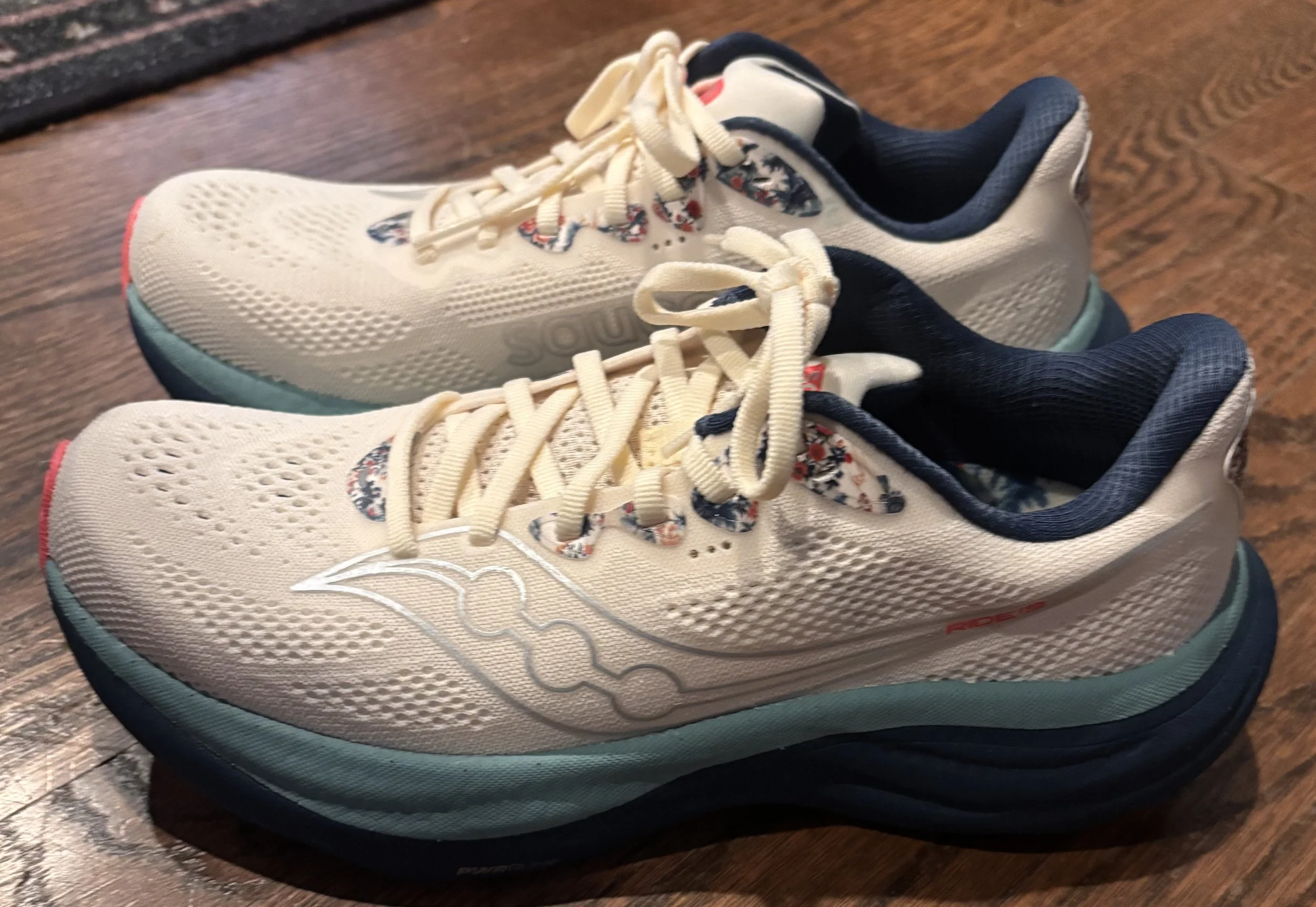
Taking a closer look at your footwear—Worn-out shoes or footwear that doesn't provide the support you need may add unnecessary stress to your Achilles. Sometimes, changing what you wear makes a meaningful difference.
Addressing your foot mechanics—If the way your feet move places additional strain on your Achilles, supportive footwear or custom orthotics may help. Orthotics aren't right for every foot or every case of Achilles pain, but they can help redistribute pressure and improve alignment when your biomechanics contribute to the problem.
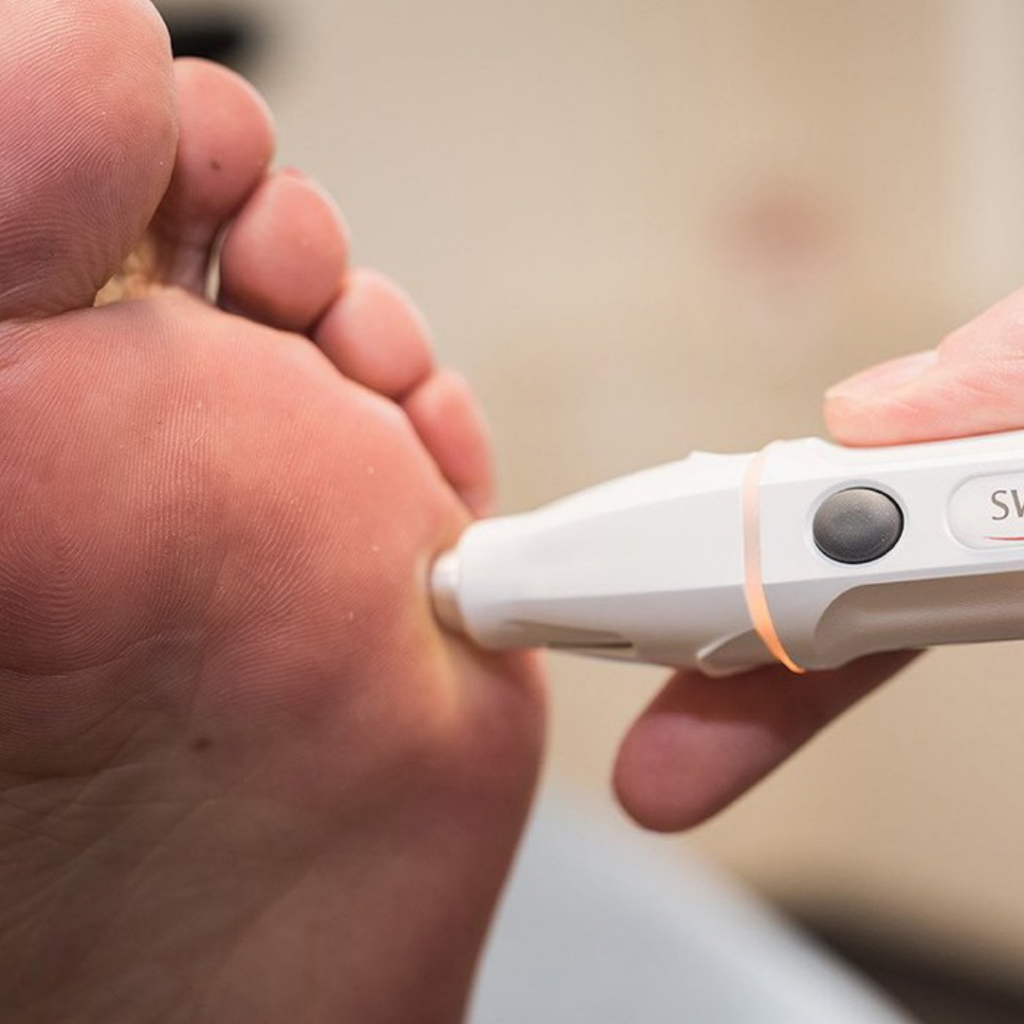
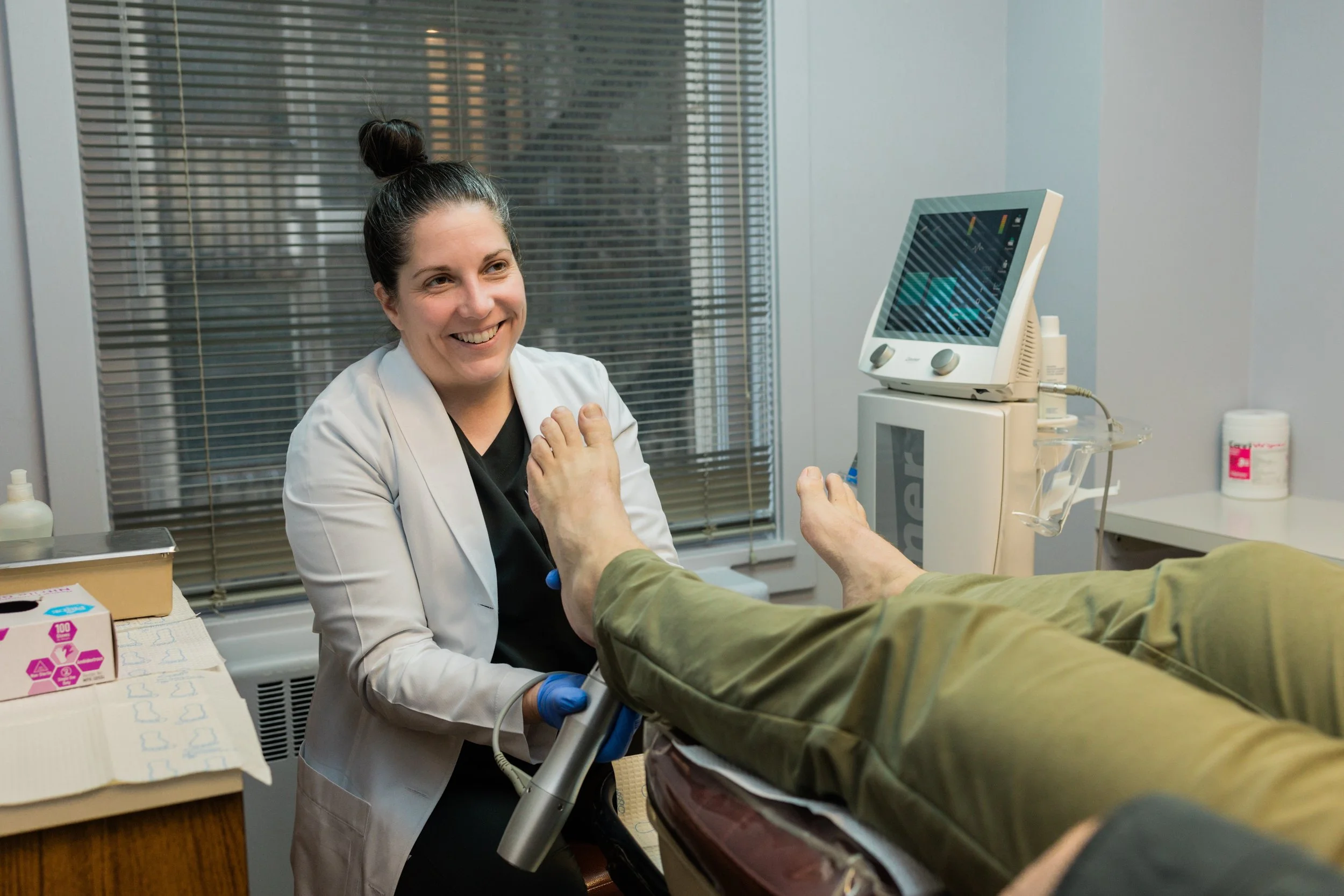
Exploring additional treatment when needed—If your Achilles pain persists despite more conservative measures, your treatment plan may include other options. City Step Podiatry offers radial shockwave therapy (RSWT), a non-invasive treatment used for certain chronic tendon and soft-tissue conditions.
Check out our deep-dive blog to see if a treatment approach like RSWT may be right for you.
The right treatment combo is highly personal. If you've already tried resting, stretching, or changing your activity without lasting relief, a thorough evaluation can help identify what your Achilles needs to recover.
At City Step Podiatry, Dr. Young and Dr. Lalani look beyond the sore spot. They assess how your foot and ankle move, identify factors that contribute to your pain, and recommend treatment based on your symptoms, activity level, and goals.
When It’s Time to Break the Cycle
Achilles tendonitis has a way of testing your patience.
You start feeling better, return to your usual routine, and suddenly find yourself dealing with the same pain all over again.
But you don't have to keep repeating that cycle or playing the waiting game.
When Achilles pain sticks around or keeps coming back, finding out what's driving it gives you a clearer path forward.
The right treatment addresses more than the pain you feel today. It also helps your Achilles handle the running, walking, sports, and everyday movement that make life happy and healthy.
Persistent pain deserves your attention, too. Over time, recurrent Achilles tendonitis can weaken your tendon and increase your risk of a tear or rupture.
Dr. Young and Dr. Lalani help you get to the root of stubborn Achilles pain and find the right path back to moving comfortably and confidently.
Schedule an appointment online or stop by the City Step Podiatry office in downtown Chicago to get started.
City Step Podiatry is here for you! Reach out today to schedule your visit and treat your feet to the care they deserve.