If you’ve ever dealt with an ingrown toenail, you know it’s more than just a minor annoyance.
It can start as tenderness along the edge of your nail. Then suddenly, it’s painful to walk, uncomfortable wearing shoes, and always on your mind, whether you’re commuting, working out, or just trying to get through a normal day.
And if this isn’t your first time dealing with it, you may already be wondering:
Is this just something I’m going to have to keep managing, or is there a better way to fix it?
For a long time, ingrown toenail treatments have felt pretty limited. Your options were to try to manage the discomfort at home, opt for a procedure involving numbing, or remove part of the nail (possibly making your nail border stop growing back).
Those treatments absolutely have their place. But not every ingrown toenail needs that approach, and not every patient wants to start there.
This is where Onyfix offers a different path.
Onyfix is a pain-free, non-invasive nail correction system designed to help guide the nail as it grows. Instead of cutting away part of the nail, it works with the natural growth process to encourage a healthier nail shape over time.
For many people dealing with ingrown toenails, that can make a big difference.
At City Step Podiatry, we’re proud to offer the Onyfix system to our patients. Dr. Young took the time to get certified in this innovative system so she can offer you all the podiatry treatment options and tools you need to feel your best and live your most active, pain-free life in Chicago.
In this month’s spotlight blog, we’ll walk you through how Onyfix works, who it may help, and why this option is especially worth knowing about if ingrown toenails keep coming back.
Why Ingrown Toenails Keep Coming Back
Before we talk about Onyfix, it helps to understand why ingrown toenails can become such a stubborn problem.
An ingrown toenail happens when the edge or corner of your nail grows into the surrounding skin.
As we explain in-depth in our blog on ingrown toenails, this can lead to pain, redness, swelling, tenderness, and sometimes infection.
There are several reasons this can happen, including:
Nails that naturally curve inward
Shoes that put too much pressure on the toes
Improper trimming
Repetitive stress from sports or activity
Trauma to the nail
Genetics
Sometimes, an ingrown toenail is a one-time issue. Other times, the shape of your nail keeps driving the same problem again and again.
That’s the frustrating part.
You may trim it, soak it, change shoes, or even baby it for a while, only to feel that familiar pressure return weeks or months later.
For busy Chicagoans who are constantly on their feet, that cycle can get old fast.
What Is the Onyfix Nail Correction System?
Onyfix is a non-invasive treatment designed to correct the way your toenail grows over time.
Instead of removing part of the nail or only treating symptoms once they appear, Onyfix focuses on the nail’s growth pattern—so it targets both the issue that’s on the surface and the underlying problem that causes ingrown nails to recur.
A simple way to think about it—It works a little like a brace for your nail.
Let’s break down how Onyfix works:
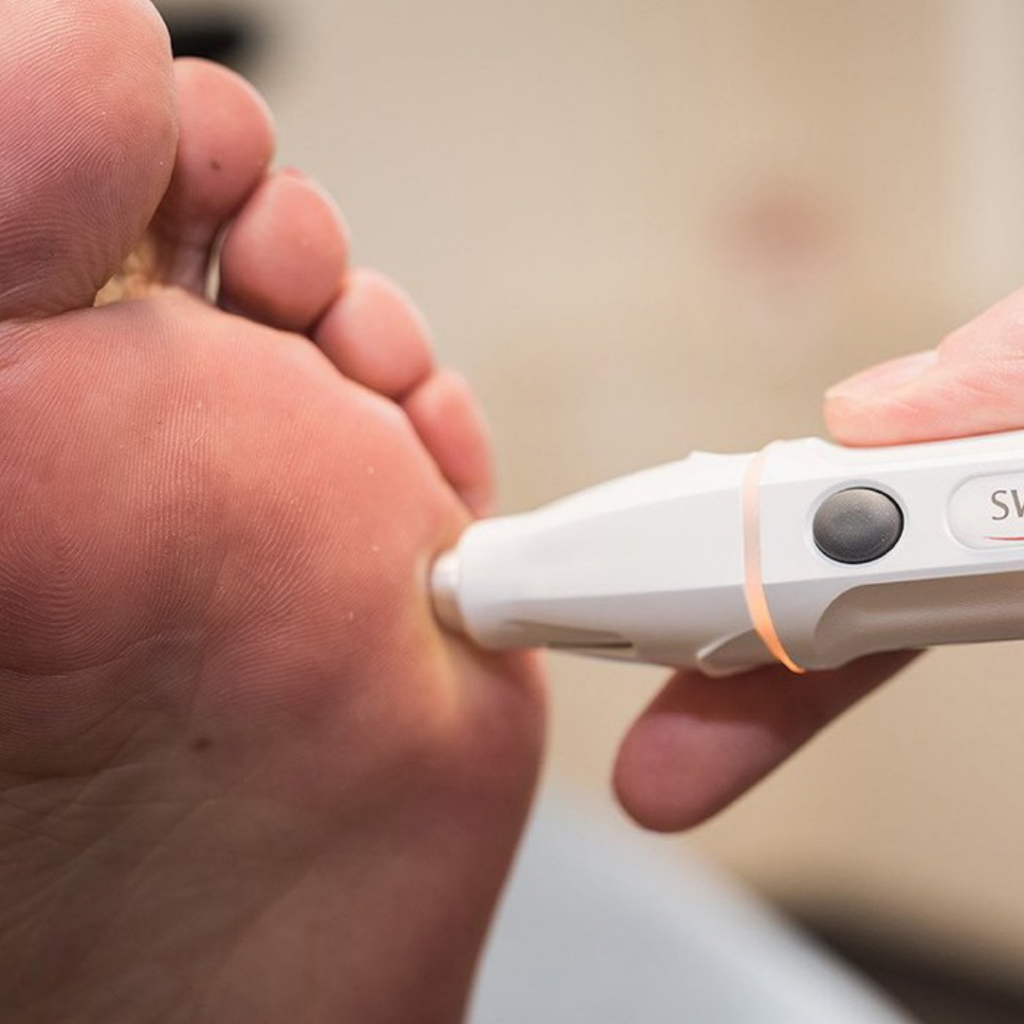
A specialized composite material is applied directly to the nail surface by a Certified Onyfix Professional like Dr. Young and hardened in place
Once set, it gently holds the nail in a corrected position as the nail grows out
The goal is to guide the nail toward a healthier shape without cutting, injections, or trauma to the surrounding skin
Onyfix is used for ingrown toenails and involuted nails, which are nails that curve inward more than they should.
The system is designed to correct the nail through promoting natural nail growth, which is one reason it feels so different from traditional procedures used to treat ingrown toenails.
How Onyfix Works
The Onyfix process is straightforward, and Dr. Young performs your treatments right in the office.
During treatment:
Your affected nail is evaluated, cleaned, and prepared
A small amount of Onyfix composite is applied to the nail
The material is shaped based on your nail’s needs
The composite is hardened in place
Your nail continues growing with the correction system attached
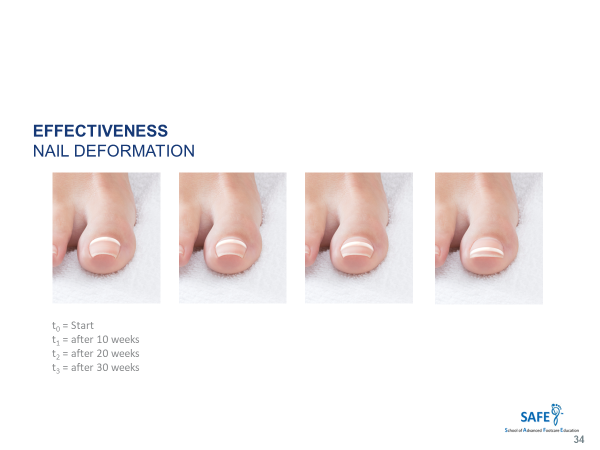
Once applied, the system stays on your nail and grows forward with it. Over time, this helps guide your nail into a better position—and one that won’t lead to ingrown issues.
What patients often appreciate most is what Onyfix does not involve.
There’s no cutting
No injections
No downtime
And for many people, there’s no need to stop normal activities after your appointment
This matters if you’re an active Chicagoan managing a full workday, walking around the city, training, traveling, or simply trying to avoid adding one more disruption to your schedule.
Why Patients Are Interested in Onyfix
Most people dealing with an ingrown toenail want the same basic things.
They want the pain to stop. They want the problem to stop coming back. And they want treatment that does not feel more stressful than the issue itself.
That’s why Dr. Young pursued Oxyfix certification. She found it appeals to many patients because it’s designed to be:
Pain-free
Non-invasive
Fast to apply
Compatible with normal daily activities
Focused on correcting nail growth over time
It may also be an appealing option if you’ve been told about permanent border removal but aren’t ready for that step.
Permanent border removal can be a helpful and appropriate treatment in the right situation, especially for recurring or severe ingrown toenails. But if your nail is chronically ingrown without frequent infection, and you want to explore a more conservative option first, Onyfix may be worth discussing.
This is the kind of decision Dr. Young helps her patients make every day: not just “What treatment exists?” but “What treatment makes the most sense for my foot, my symptoms, and my life?”
Who May Be a Good Candidate for Onyfix?
Dr. Young believes in selecting the right treatment for the right person—rather than taking a one-size-fits-all approach.
Onyfix may be a good fit if you:
Have recurring ingrown toenails
Have curved or involuted nails
Want to avoid permanent nail border removal
Prefer a non-invasive treatment option
Need a treatment that does not interrupt your routine
Are active and want to keep moving comfortably
Since obtaining her certification in 2023, Dr. Young has used Onyfix with patients in the office and has seen good results in the right situations.
She believes it can be a strong option for patients with chronically ingrown nails who don’t want their borders permanently removed and aren’t dealing with frequent infection.
That last point matters.
If your toe is actively infected, severely inflamed, or draining, Onyfix may not be the best first step for you. In this case, the infection or more urgent issue needs to be addressed safely before deciding whether nail correction makes sense.
Ingrown Nails, Athletes, and Active Lifestyles
Ingrown toenails can be especially frustrating when you’re busy and active.
Running, walking, cycling shoes, tight cleats, repeated downhill pressure, and long training blocks can all increase stress around your toenails. Even small nail irritation can become a much bigger issue when you’re logging miles training, or spending long days on your feet.
That’s why toenail care matters for athletes and active people.
As we explore in our marathon training blog, small foot issues can become major training disruptions when they are ignored.
Onyfix can be especially appealing in this context because it doesn’t require the same downtime many people associate with nail procedures. For the right patients, this means treating the problem without putting your entire routine on hold.
Of course, treatment is only one part of the picture.
If your ingrown nails are related to shoe pressure, training volume, or repeated friction, Dr. Young may also want to discuss your footwear and sock choices, suggest activity modifications, and guide you in nail care habits that can help prevent the issue from returning.
How Ingrown Toenails Connect to Other Nail and Skin Issues
Ingrown toenails are often one key piece of your overall foot health puzzle.
For example, pressure from shoes can contribute to ingrown nails, but it can also lead to skin irritation, blisters and calluses, or pain around the toes. Repetitive friction can affect both the skin and the nail, especially if you’re active or on your feet all day
Your toenail health matters, too.
If you’re also dealing with thickened, discolored, or brittle nails, there may be another issue involved, such as toenail fungus. That doesn’t mean Onyfix is automatically off the table, but it does mean your nail needs to be evaluated by a professional before choosing the best treatment path
This is one reason a podiatric evaluation is so helpful. What looks like “just an ingrown nail” may actually involve nail shape, shoe pressure, skin irritation, fungal changes, or several factors at once.
The right treatment starts with understanding what’s actually causing the problem—and getting the right guidance and support from a trusted professional.
Important Considerations Before Choosing Onyfix
If you’re considering Onyfix, here are a few key things to keep in mind:
It’s designed to be comfortable and low-disruption
Treatment is done in the office without injections or downtime, so you can typically return to your normal routine right awayResults happen gradually
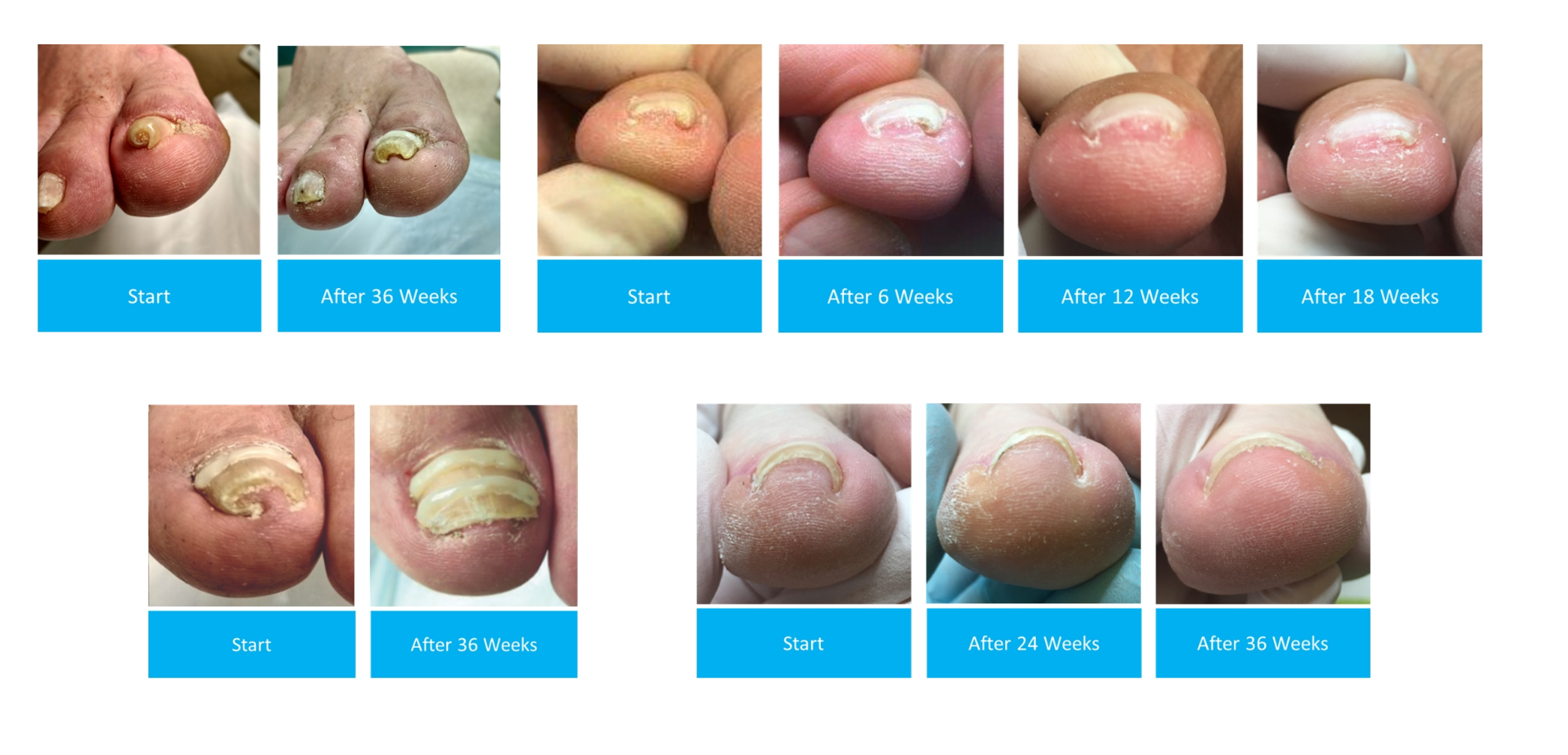
Onyfix works with your natural nail growth, so improvement takes place over time rather than instantly. Think of it as investing in your long-term nail healthIt works best for the right type of ingrown nail
This approach is especially helpful for chronic or recurring ingrown nails that aren’t complicated by significant infectionIt may not be the best first step in more advanced cases
If your toenail is severely infected, very painful, or more progressed, another treatment may be needed first to safely address the issueLong-term success depends on more than just the nail
Footwear, activity level, nail care habits, and pressure on your toes all play a role. Addressing these factors helps prevent the problem from returning
The most important step is making sure the treatment matches what’s actually going on.
During your appointment at City Step Podiatry, Dr. Young will take the time to evaluate your nail, understand your symptoms, listen to your concerns and goals, and walk you through your options so you can choose the approach that fits your needs and your lifestyle.
A More Comfortable Way to Think About Nail Correction
For many people, the biggest barrier to treating an ingrown toenail is fear.
Fear that it will hurt. Fear that they’ll need a procedure. Fear that they’ll have to pause workouts, miss work, or limp around afterward…
Onyfix helps change this narrative.
For the right person, it offers a way to address recurring nail pain without jumping straight to something more invasive. It also supports the broader philosophy Dr. Young brings to podiatry care: practical, cutting-edge treatment options that help active Chicagoans keep moving.
At City Step Podiatry, we believe our patients deserve options, and those options should be explained clearly.
Taking the Next Step
If you’re dealing with an ingrown toenail that keeps coming back, you don’t have to just manage it and hope for the best.
At some point, most people hit that moment where they think, “Why does this keep happening?” or “Is there a better way to handle this?”
That’s where having the right information and support makes all the difference.
Onyfix is one option that can work really well for the right situation. But more importantly, it’s part of a bigger conversation about what your feet actually need and how to address the problem in a way that fits your life.
Dr. Young takes a practical, personalized approach to care. She looks at what’s causing the issue, how it’s affecting your day-to-day routine, and what kind of solution will realistically work for you—not just short term, but moving forward.
If something hasn’t been feeling right, or you’re tired of dealing with the same issue over and over again, it’s worth getting it looked at.
Because when your feet feel better, everything else—from your workouts to your commute to your everyday routine—gets easier too.
City Step Podiatry is here for you. Stop by our convenient downtown Chicago office, book your appointment easily online, and keep an eye on our site for podiatry news you can use!
City Step Podiatry is here for you! Reach out today to schedule your visit and treat your feet to the care they deserve.