Most active people expect to deal with a few aches and pains from time to time.
Maybe you pushed yourself a little harder than usual during your last workout. Maybe you spent all day on your feet at work. Or perhaps you explored Chicago all weekend and ended up with sore feet on Monday morning.
Usually, this kind of discomfort is temporary and quickly fades with a little rest.
But what happens when it doesn't?
One of the biggest challenges with stress fractures is that they rarely make a dramatic entrance. Instead, they tend to sneak up on you, starting as a mild ache that's easy to brush off—until it isn't.
Whether you're training for your next race, working long shifts on your feet, or simply trying to stay active, knowing the early warning signs of a stress fracture can help you seek treatment sooner and avoid a more serious injury.
Let's take a closer look at what stress fractures are, why they're so easy to miss, and how to recognize when ordinary soreness may be something more.
What Is a Stress Fracture?
Most broken bones result from a fall or another form of sudden, traumatic injury. Stress fractures, on the other hand, develop gradually over time.
Think of it as an overuse injury.
Let’s break that down a bit more…
The what—
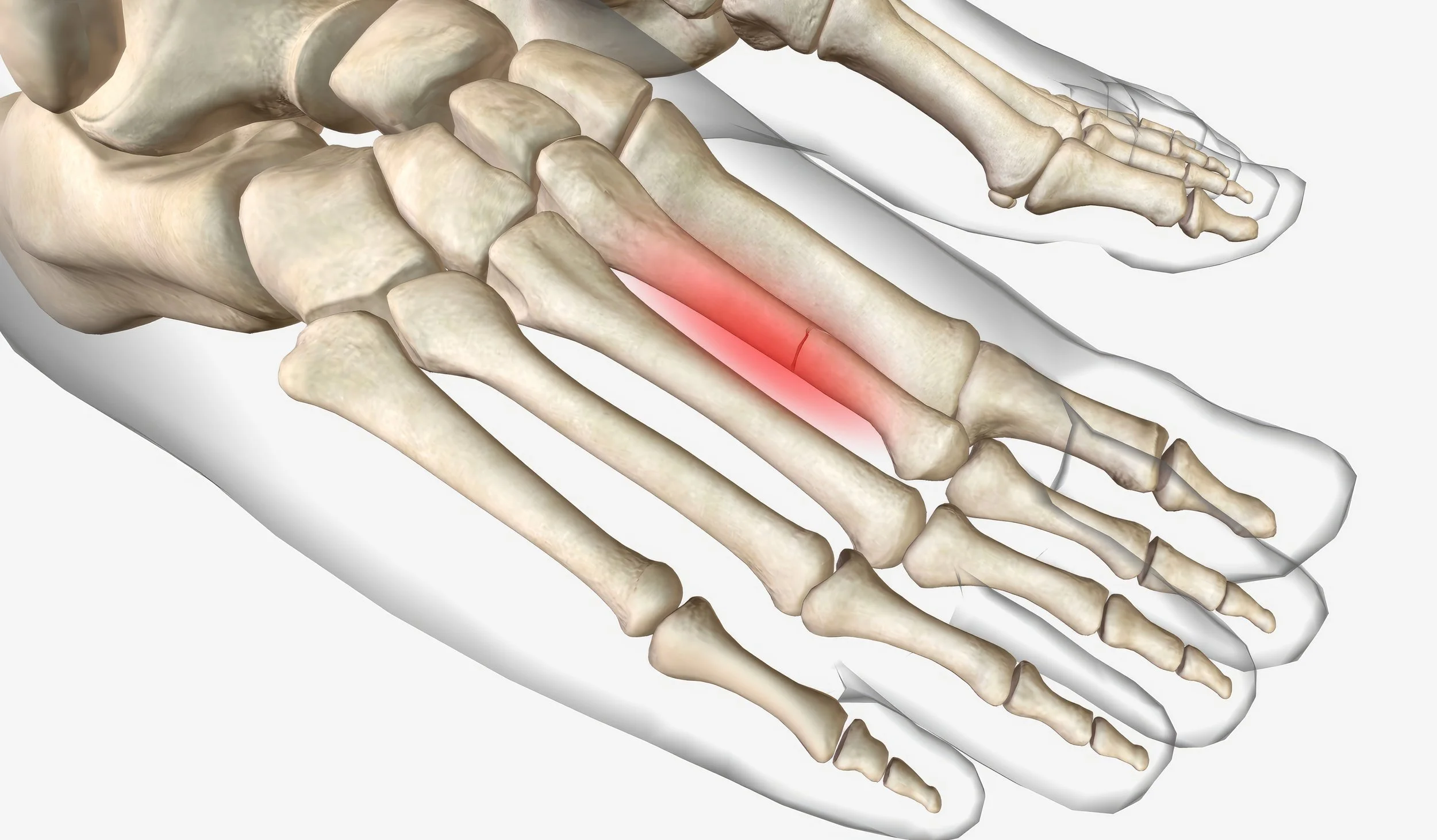
Every time your foot strikes the ground, your bones absorb force. Normally, your body recovers from this everyday stress without issue. But when repetitive force outpaces your body's ability to recover, small cracks can develop in your bones.
The where—
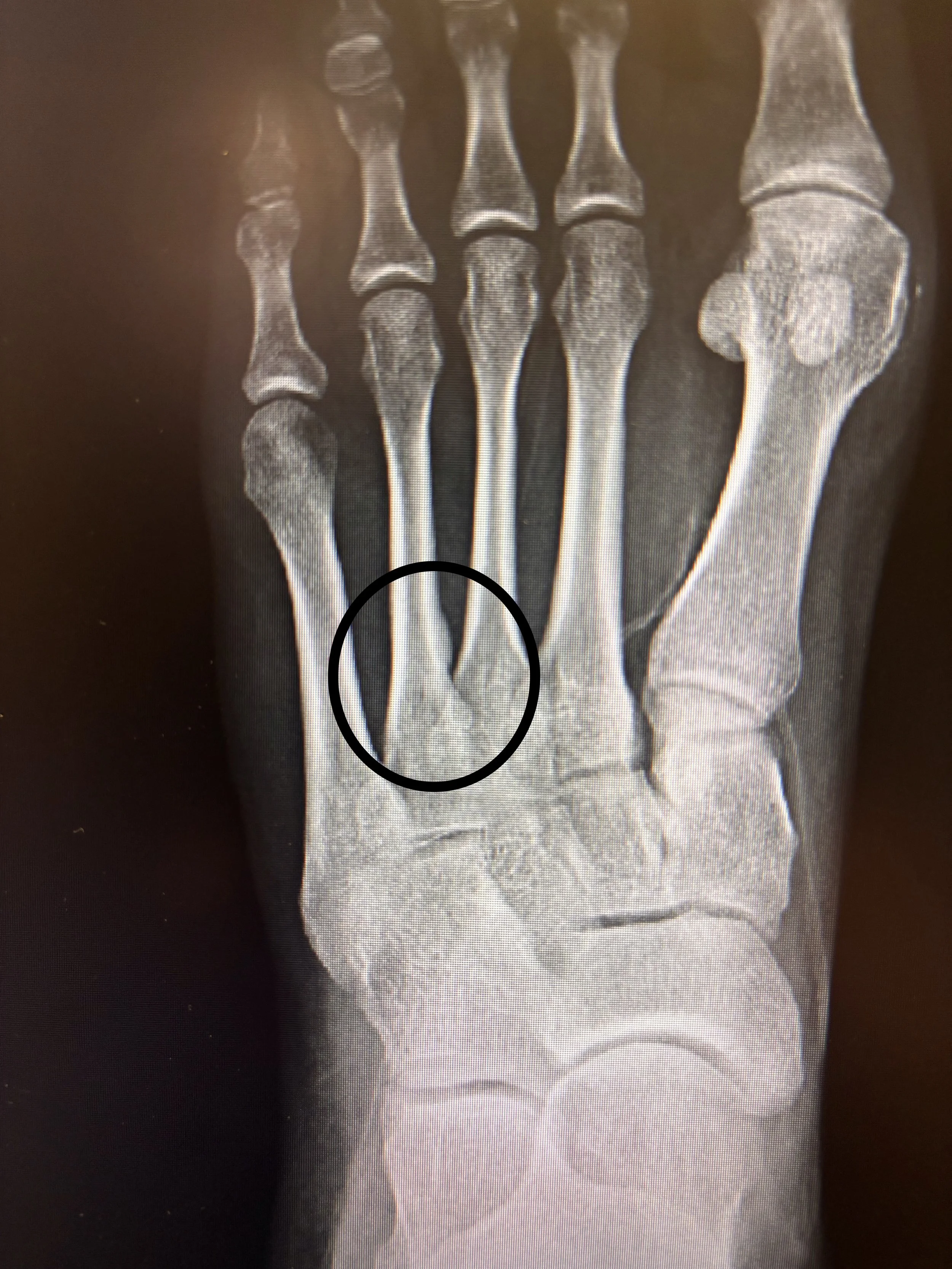
Stress fractures most commonly occur in the weight-bearing bones of the foot, particularly the metatarsals, because they absorb significant force during walking, running, jumping, and other daily activities.
The who—
They're especially common among runners and athletes, but also impact healthcare professionals, teachers, retail workers, travelers, and anyone who spends long hours on their feet or suddenly increases their activity level.
The why—
Research shows that repetitive loading (which is clinical-speak for placing repeated stress on the same bones) is one of the primary factors behind these injuries. In other words, the injury has less to do with the activity itself than with how much stress you place on your bones over time.
So how can you tell when a stress fracture might be part of the picture for you?
Why Stress Fractures Are So Easy to Miss
Your body doesn't always treat a stress fracture like an emergency.
Because the injury develops gradually, the discomfort often comes and goes at first.
You may notice it toward the end of a run, after a long shift, or the morning after a busy weekend. Once you rest, it may feel better—making it easy to assume the problem has resolved.
That's what makes stress fractures so deceptive and challenging to diagnose.
Early on, they often improve with rest but return as soon as you put the same stress back on the affected bone. That cycle can continue for days or even weeks, and do a good job convincing you that you’re dealing with nothing more than normal soreness from overuse.
The important clue isn't that your foot hurts after activity—many conditions can cause that. It's that the pain keeps returning to the same spot, becomes easier to trigger, or starts changing the way you walk or exercise.
Recognizing that pattern early gives you the best chance to treat the injury before it becomes a more serious fracture.
Early Signs You Shouldn't Ignore
So how can you tell whether your foot pain is ordinary soreness or something more?
While every person is different, stress fractures often share several common characteristics.
You may notice:
Pain that starts during activity and improves with rest
Tenderness in one specific area of the foot
Pain that becomes more noticeable each time you're active
Mild swelling around the painful area
Discomfort when pressing directly on one spot
Pain that eventually begins affecting everyday walking, not just exercise
Unlike general muscle soreness, stress fracture pain tends to become more localized over time. Many people can point to one exact spot that hurts.
That doesn't automatically mean you have a stress fracture, but it is worth paying attention instead of hoping the pain will go away on its own.
Of course, stress fractures aren't the only cause of pain in the ball of the foot. Conditions like Morton's neuroma can cause similar symptoms, which is one reason getting the right diagnosis matters.

Who Is Most Likely to Develop a Stress Fracture?
Stress fractures are especially common among runners, but they're certainly not limited to athletes.
Anyone who places repeated stress on their feet can develop one.
Those at risk include:
Distance runners and walkers
People training for a new race or fitness goal
Healthcare professionals who spend long shifts standing
Teachers, restaurant workers, and retail employees
Travelers exploring new cities on foot
Active adults who suddenly increase their exercise routine
One of the biggest risk factors isn't necessarily what you do, but how quickly you increase your activity.
When your activity outpaces your body's ability to adapt, stress injuries become much more likely.
Let’s explore how.
What Causes a Stress Fracture?
As we showed you in the examples above, stress fractures rarely have a single cause.
Instead, they tend to happen when several factors combine to put repeated stress on one part of the foot.
In real life, this can look like—
Doing Too Much, Too Soon
When you change your activity routine, your body needs time to adjust.
That could mean adding mileage before your body is ready, diving back into intense exercise after time away, working extra or longer shifts, or spending far more time pounding the pavement than usual while traveling.
Wearing Footwear That Doesn't Provide the Support You Need
Shoes naturally wear down over time, even if they still look perfectly fine on the outside.
As your go-to shoes lose their cushioning and support, your feet absorb impact differently, placing additional stress on certain bones.
Foot Mechanics and Alignment
The shape of your feet and the way they move also increase your risk of developing a stress fracture.
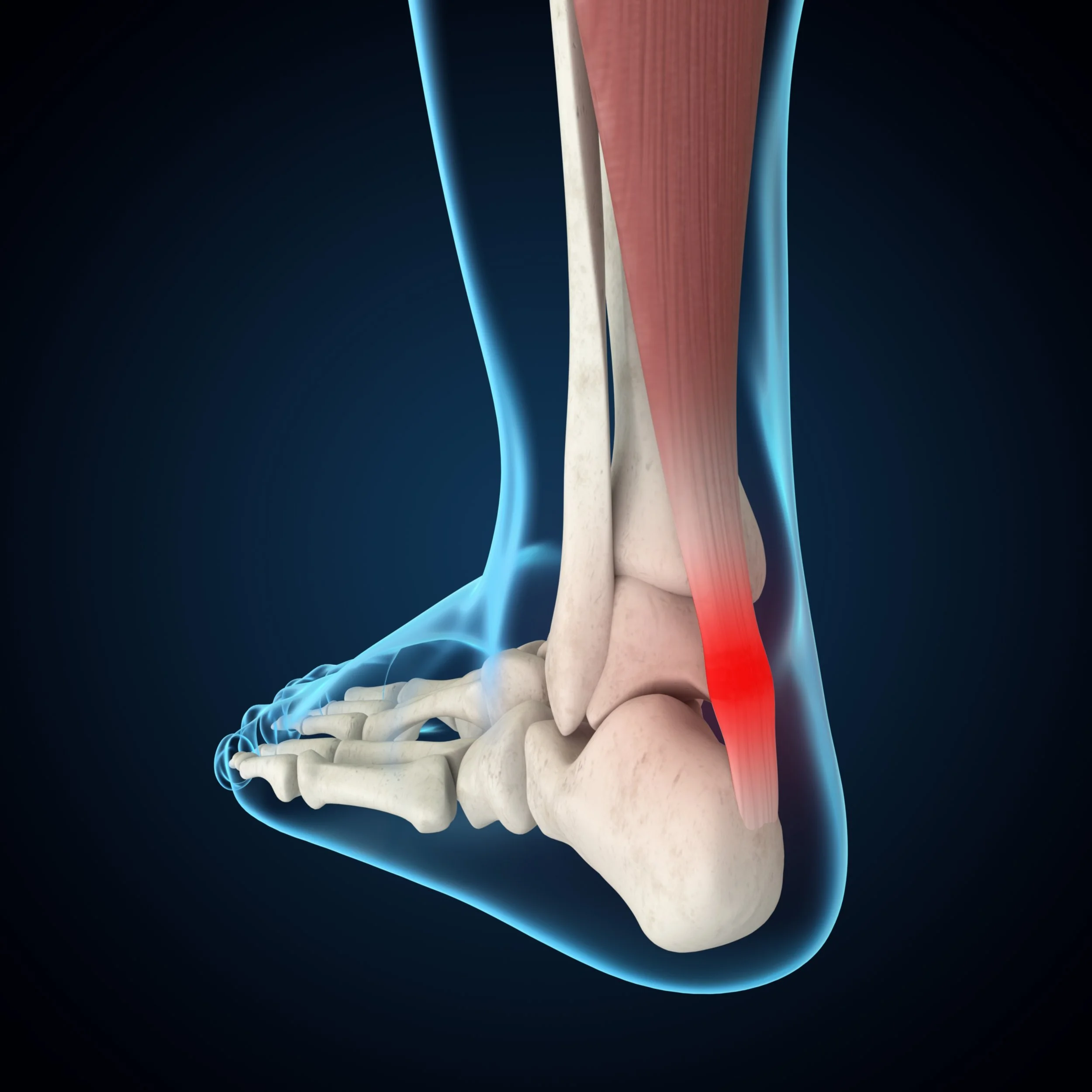
Conditions like overpronation, high arches, and posterior tibial tendon dysfunction (PTTD) change the way your feet absorb impact. That means certain bones end up doing more work with every step. Over time, that extra workload makes stress fractures more likely.
Because several different issues can contribute to a stress fracture, treating the injury starts with understanding why it happened.
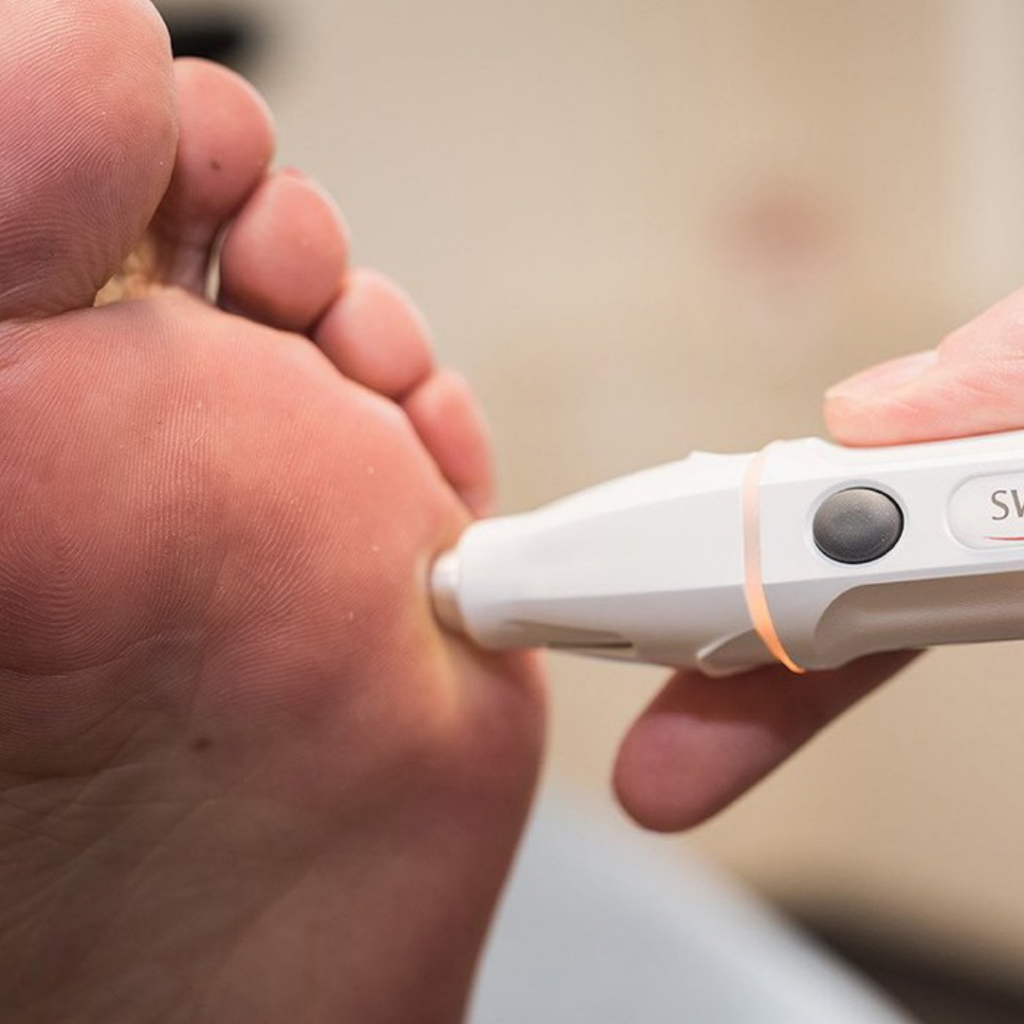
At City Step Podiatry, our podiatrists evaluate your gait, foot mechanics, and overall foot health to better understand what's causing your pain—not just where it hurts.
Want to learn more about the connection between foot mechanics and the rest of your body? Check out our recent blog, Why Foot Pain Can Travel Up the Body: How Alignment Affects Your Knees, Hips, and Back.
Why Getting the Right Diagnosis Matters
Many people try to "push through" a stress fracture because the pain initially seems manageable.
Unfortunately, that approach often makes the problem worse.
Continuing to stress an already weakened bone can cause a small stress fracture to become a larger break, leading to longer recovery times and more significant treatment.
Getting the right diagnosis early allows you to protect the injured bone before the damage progresses.
It also gives your podiatrist the opportunity to identify why the injury developed in the first place.
Training habits, footwear, foot mechanics, and underlying conditions can all play a role, and addressing and managing those factors may help reduce your risk of future injuries.
Next, let’s look at how stress fractures are treated.
How Are Stress Fractures Treated?
The good news is that most stress fractures heal without surgery when they're diagnosed and treated early.
Your treatment plan will depend on the location and severity of the fracture.
Your treatment plan may include:
Temporarily reducing or modifying activity
Wearing a walking boot or other protective device while the bone heals
Gradually returning to activity as healing progresses
Evaluating your footwear and making changes where needed
Addressing underlying biomechanical issues with supportive shoes or custom orthotics when appropriate
Treatment isn't just about helping your bone heal. It's also about reducing your risk of another stress fracture down the road.
If foot mechanics contributed to your injury, custom orthotics may help redistribute pressure more evenly throughout your foot after healing. Learn more about how they work in our blog on custom orthotics.
When Your Foot Pain Deserves a Closer Look
A sore foot after a long run or a busy workday isn't unusual. But pain that keeps returning to the same spot is your body's way of telling you something deserves attention.
That doesn't mean assuming the worst every time your foot hurts. It simply means listening when pain lingers, keeps coming back, or starts interfering with the activities you enjoy.
City Step Podiatry’s Dr. Young and Dr. Lalani can determine whether a stress fracture—or another foot condition—is causing your symptoms and recommend a treatment plan based on your needs, lifestyle, and goals.
Schedule an appointment online or stop by our office to get the answers you need. And if you're looking for more ways to stay active and protect your feet, be sure to visit our blog regularly for expert tips, injury prevention strategies, and practical foot health advice.
City Step Podiatry is here for you! Reach out today to schedule your visit and treat your feet to the care they deserve.