Why Foot Pain Can Travel Up the Body: How Alignment Affects Your Knees, Hips, and Back
Have you ever experienced knee pain that seemed to come out of nowhere?
Or maybe you've noticed an aching hip after a long day on your feet, a sore lower back after a walk, or leg pain that comes and goes…
When this happens, most people naturally focus on where they feel the pain.
If your knee hurts, you naturally think about your knee. If your hip is tight or your lower back aches, that's usually where your attention goes, too.
But sometimes, the source of the problem isn't where the pain shows up.
Your body functions as a connected system, with each joint and muscle group influencing the ones around it. And because your feet serve as your body's foundation, small changes in how they move can affect everything above them.
It’s the domino effect at work.
That's why podiatrists often find themselves discussing more than just feet—because many patients who come in for foot pain are also dealing with knee discomfort, hip tightness, or even chronic back pain.
It’s also why we decided to explore how foot mechanics and alignment can influence the rest of your body in this month’s informative blog post—and take a look at why addressing issues at ground level can often provide relief in more than just your feet.
Let’s kick things off by exploring how it all fits together.
The Connection Between Your Feet and the Rest of Your Body
Think about building a house.
A strong foundation stabilizes and supports everything above it. But if this stable core shifts, even slightly, problems can start showing up elsewhere.
Your body works in much the same way.
Every time your feet touch the ground, they absorb force, provide stability, and help guide movement through your ankles, knees, hips, and spine.
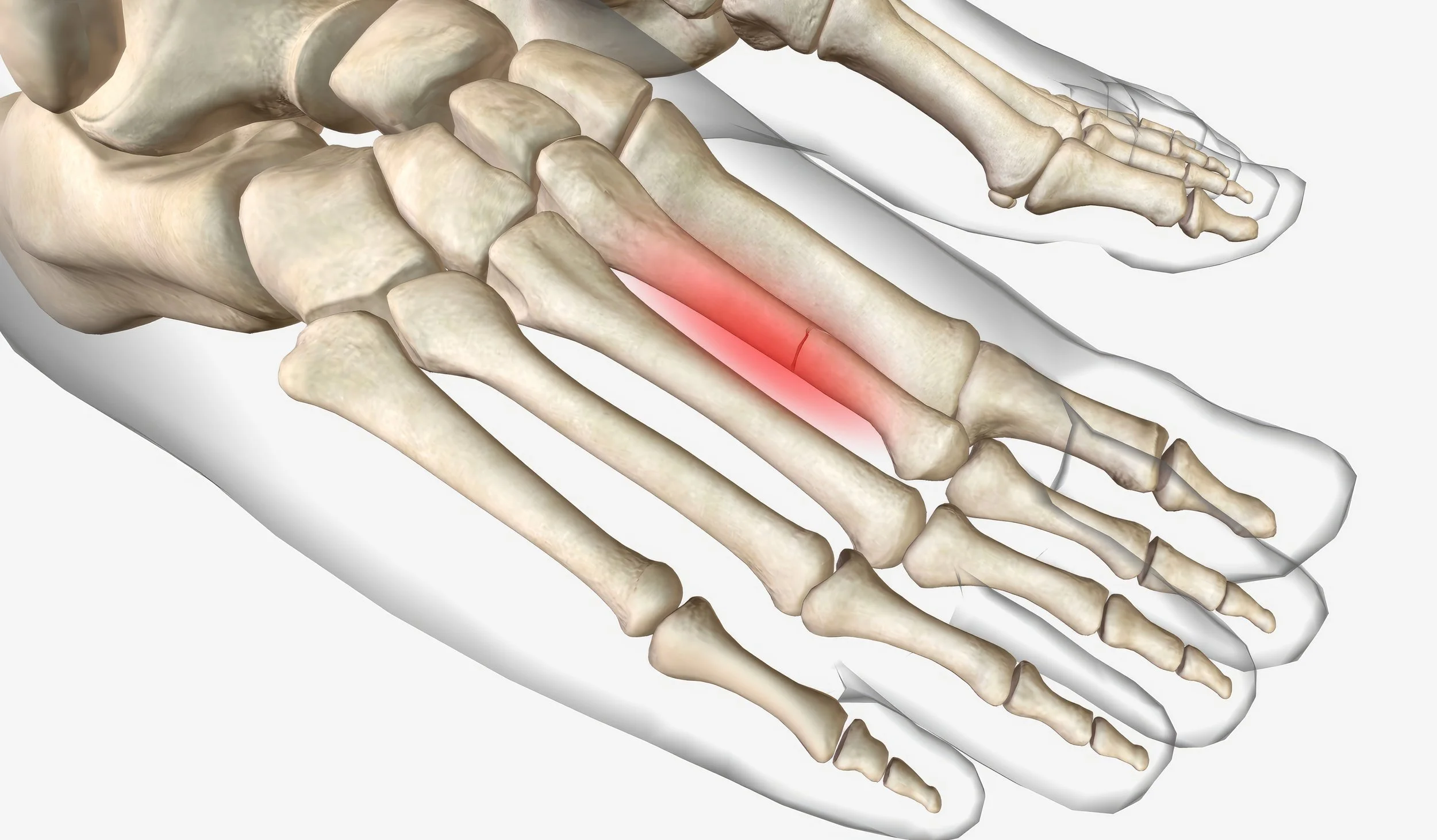
In truth, your feet are remarkably complex structures. Each foot contains dozens of bones, joints, muscles, tendons, and ligaments working together to support your body weight and keep you moving efficiently.
They also help absorb impact, maintain balance, adapt to changing surfaces, and distribute force throughout your body with every step.
When your feet move well, this process happens without you giving it a second thought.
But when they don't, your body may begin adjusting and compensating in ways that place additional stress on other areas.
Because your feet affect how your body moves, they can provide valuable clues when recurring pain doesn't have an obvious explanation. This is especially true for athletes and active individuals who place repeated demands on their bodies.
This doesn't mean every case of knee, hip, or back pain starts in your feet, but it does mean they deserve consideration when symptoms keep returning, don't respond as expected to treatment, or seem to move from one area to another.
Let’s take a closer look at how your feet support your body.
Common Ways Foot Mechanics Affect the Body
Not everyone with flat feet develops knee pain, and not everyone with high arches is destined for back pain.
However, certain foot mechanics influence how force moves through your body and how your joints work together during everyday movement.
For now, let's focus on how foot mechanics can influence movement elsewhere in the body.
Overpronation
One of the most common examples is overpronation.
Pronation is the natural inward rolling motion your foot makes when it contacts the ground. A certain amount is healthy and necessary.
However, if your foot rolls inward excessively, it can alter the position of your ankle and change how your knee tracks during walking and running.
Over time, this may place additional stress on muscles, tendons, and joints higher up your body.
We explore this common movement pattern in more detail in our blog on overpronation.
Flat Feet and Fallen Arches
Flat feet are another common contributor to alignment concerns.
When your arches sit lower to the ground, your foot may provide less support and stability during movement. Over time, this can impact how force travels through your ankles, knees, and hips.
In some cases, arches don't start out flat—they become flatter over time.
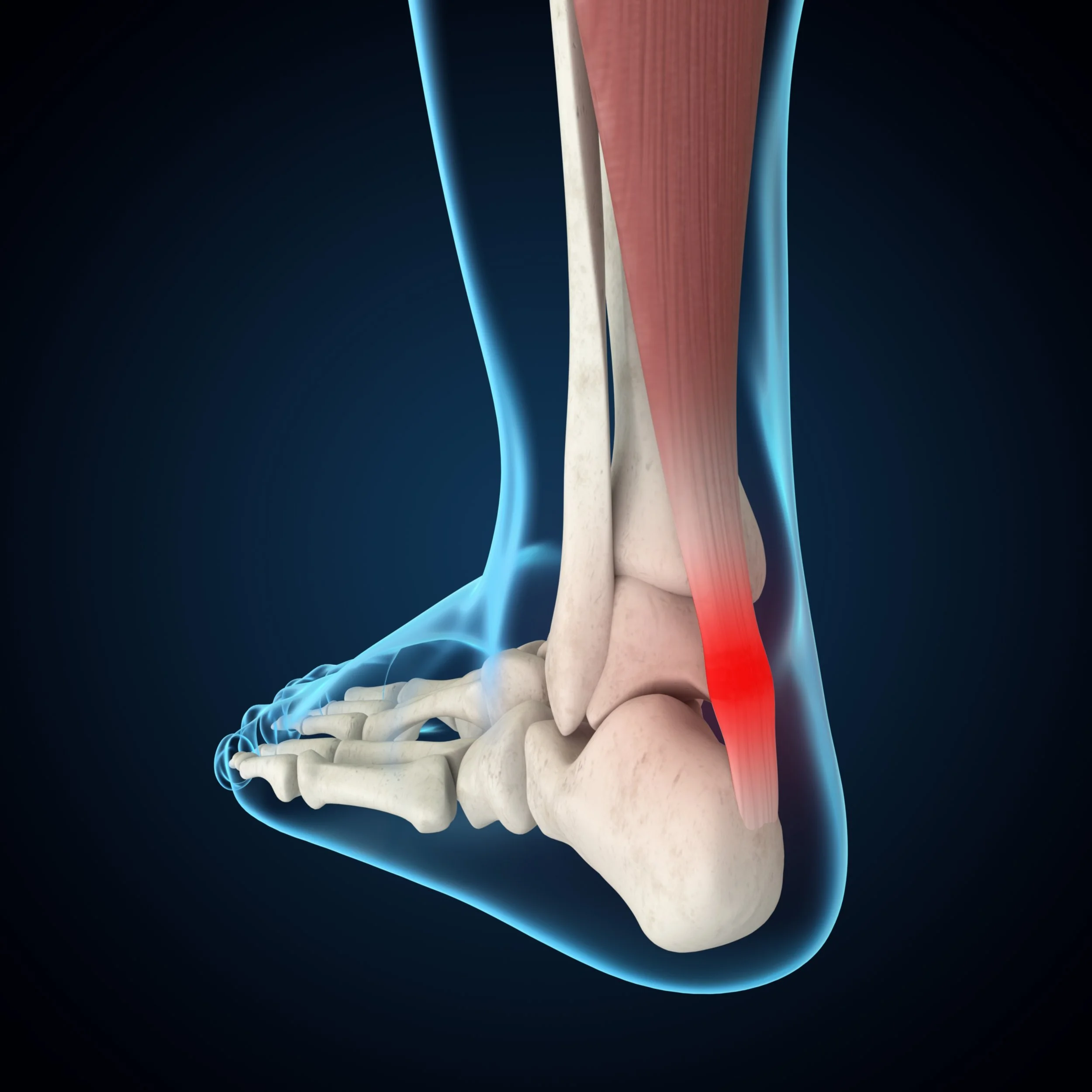
This condition, often called adult-acquired flatfoot or fallen arches, frequently develops when the structures supporting the arch begin to weaken.
One of the most common causes is posterior tibial tendon dysfunction (PTTD).
Because this condition can gradually change the way your feet function, early evaluation and treatment are key.
High Arches
High arches can create challenges of their own.
Because they tend to be more rigid, they often absorb less shock during movement.
This can increase pressure on certain areas of your foot and send more impact upward through your legs.
People with high arches are more likely to experience:
Forefoot discomfort
Heel pain
Recurrent ankle instability
Increased fatigue during higher-impact activities
While high arches don't automatically cause pain, understanding your arch type can help you make better decisions about footwear, activity, and support.
How Alignment Problems Show Up in Everyday Life
One reason alignment-related issues are difficult to recognize is that they don't always announce themselves dramatically.
Instead, they often show up as small frustrations that gradually become part of your routine.
You might notice that one knee always seems sore after a long walk through the city
Maybe your lower back tightens up after standing for extended periods
Perhaps one hip consistently feels more uncomfortable than the other
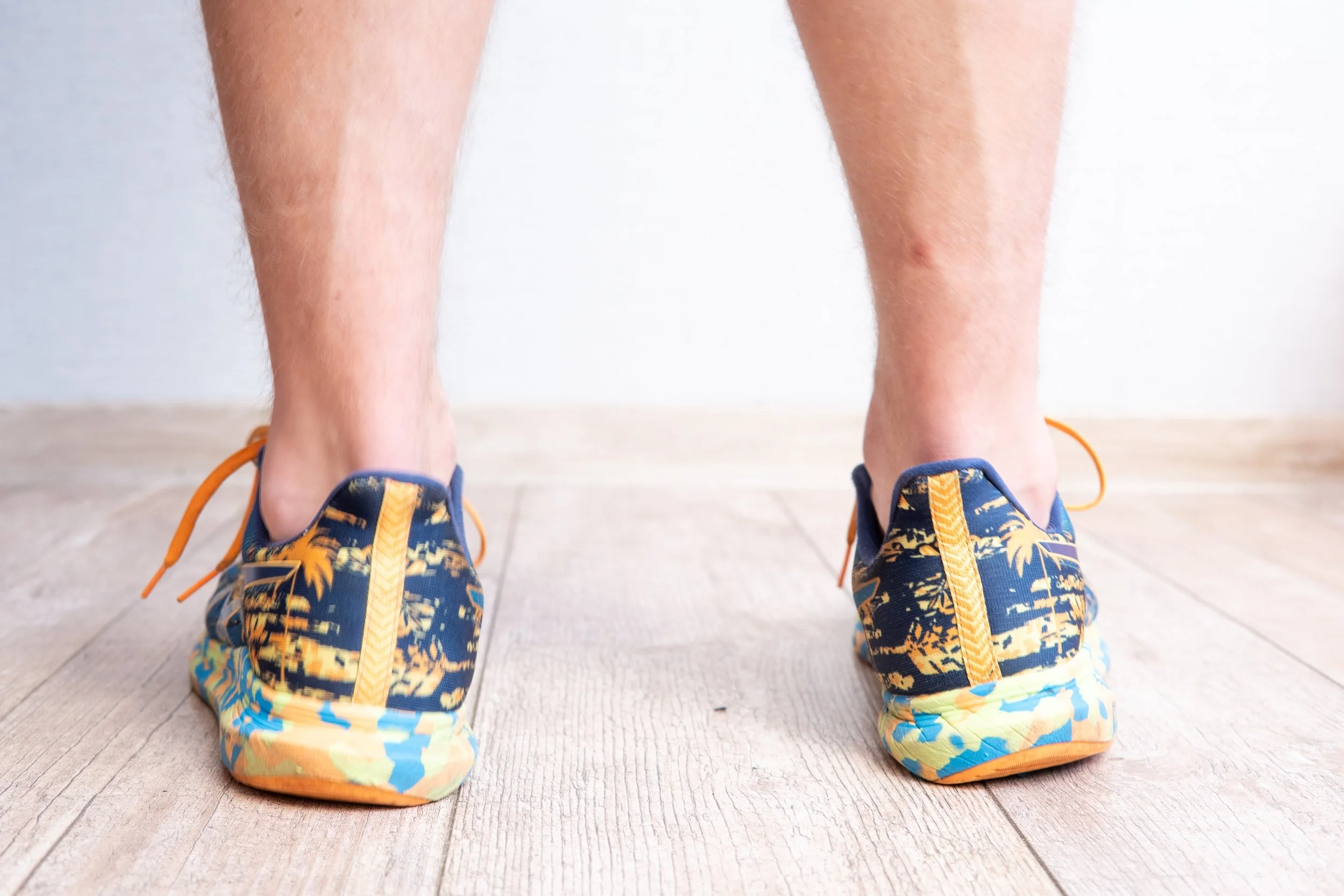
Some people find themselves replacing shoes more often because they wear down unevenly
Others notice they avoid certain activities because they know they'll be uncomfortable afterward
Over time, these seemingly unrelated issues can start to form a pattern.
For example:
You always feel more comfortable in one pair of shoes than all the others
One side of your body consistently feels tighter or more fatigued
Walking long distances leaves you sore in places that don't seem connected to your feet
Minor aches and pains keep returning despite rest or stretching
Because these symptoms tend to develop gradually, many people assume they're simply a normal part of getting older or staying active.
In reality, they may be clues that your body is being forced to compensate for the way you move and distribute force with every step.
Next, we’ll share more about what podiatry treatment for your alignment issues might involve—and why it’s important to look deeper than surface symptoms.
Why Treating the Pain Alone Doesn't Always Work
One of the most frustrating experiences folks with alignment issues face is feeling like they’re constantly treating symptoms without addressing the underlying issue.
This can be discouraging and leave you feeling stuck without a clear path forward.
You may have tried out a variety of approaches like:
Stretching your back
Strengthening your hips
Icing your knee
Or replacing your shoes
And sometimes these strategies help temporarily.
But if the underlying movement pattern remains unchanged, your symptoms will likely keep returning.
Researchers have found—and continue to explore—how foot function impacts the rest of your body.
The good news is that identifying contributing factors can help you make more informed decisions about treatment, support, and prevention.
But how can you tell for sure if your feet are the issue? Let’s look into that.
When Your Feet Might Be Part of the Problem
While every situation is different, there are some common clues that your feet may be contributing to discomfort elsewhere in your body.
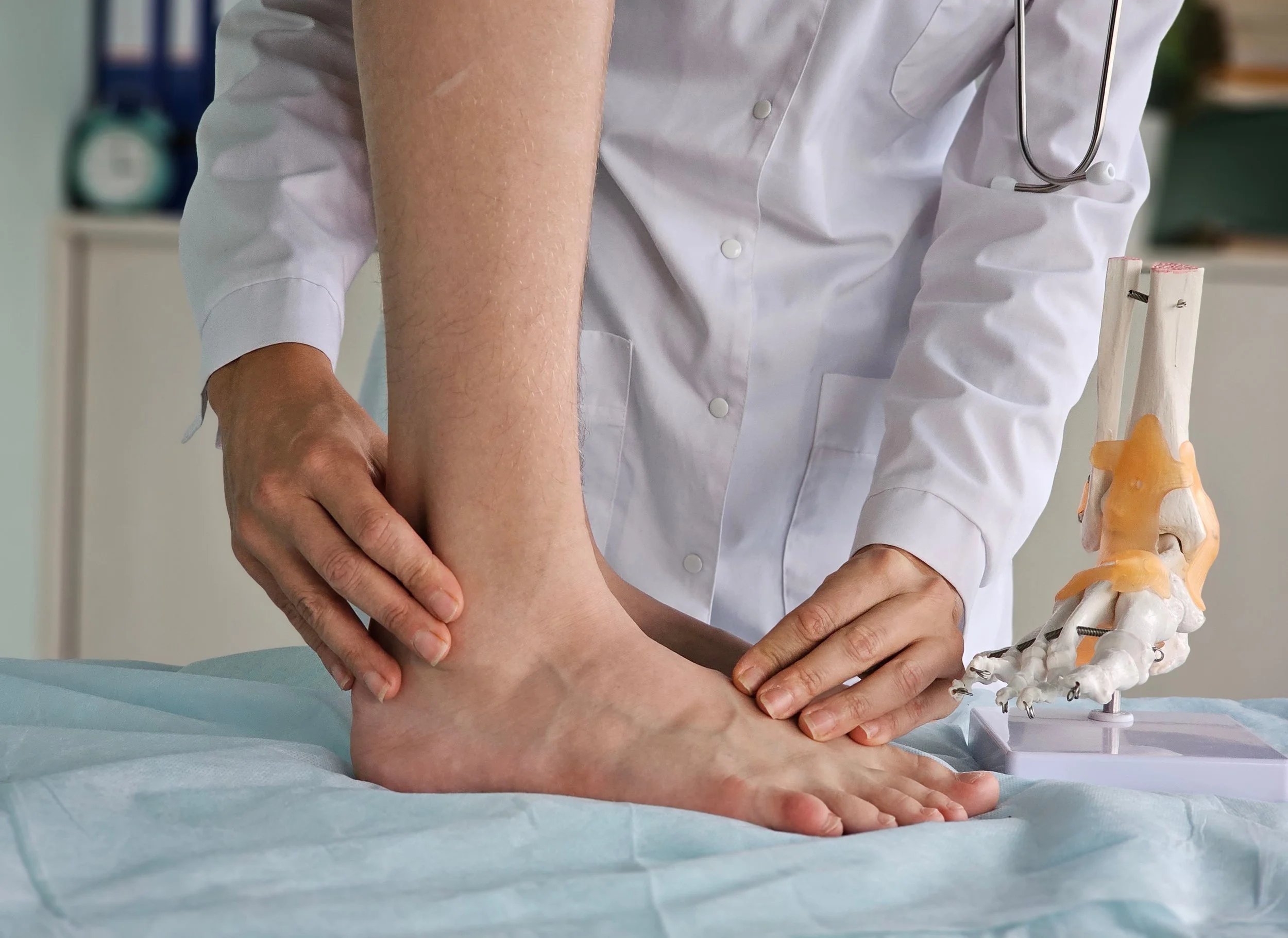
It may be worth scheduling a podiatric evaluation if you notice:
Recurring knee, hip, or lower back discomfort
Foot fatigue after routine activity
Frequent ankle instability (or rolling)
Uneven shoe wear
Pain that keeps returning despite treatment
Noticeable changes in your arch shape
Difficulty finding shoes that feel consistently comfortable
On their own, these signs may not seem significant. But when they start appearing together or become recurring patterns, they can provide important insight into how your body is moving and functioning.
The earlier you identify potential issues, the easier it often is to address them.
If you're curious if your feet may be contributing to your symptoms, scheduling an evaluation can be a proactive next step. With our online booking, flexible scheduling options, and convenient downtown Chicago location, City Step Podiatry makes it easy to fit foot care into your busy schedule.
Finding the Right Support for Your Feet
Once you’ve pinpointed what's contributing to your discomfort, the next step is determining what kind of support your body needs.
For some people, the answer is surprisingly simple.
A more supportive shoe may provide the stability and cushioning their feet have been missing
Others may benefit from strengthening exercises, stretching programs, activity modifications, or changes to their training routine
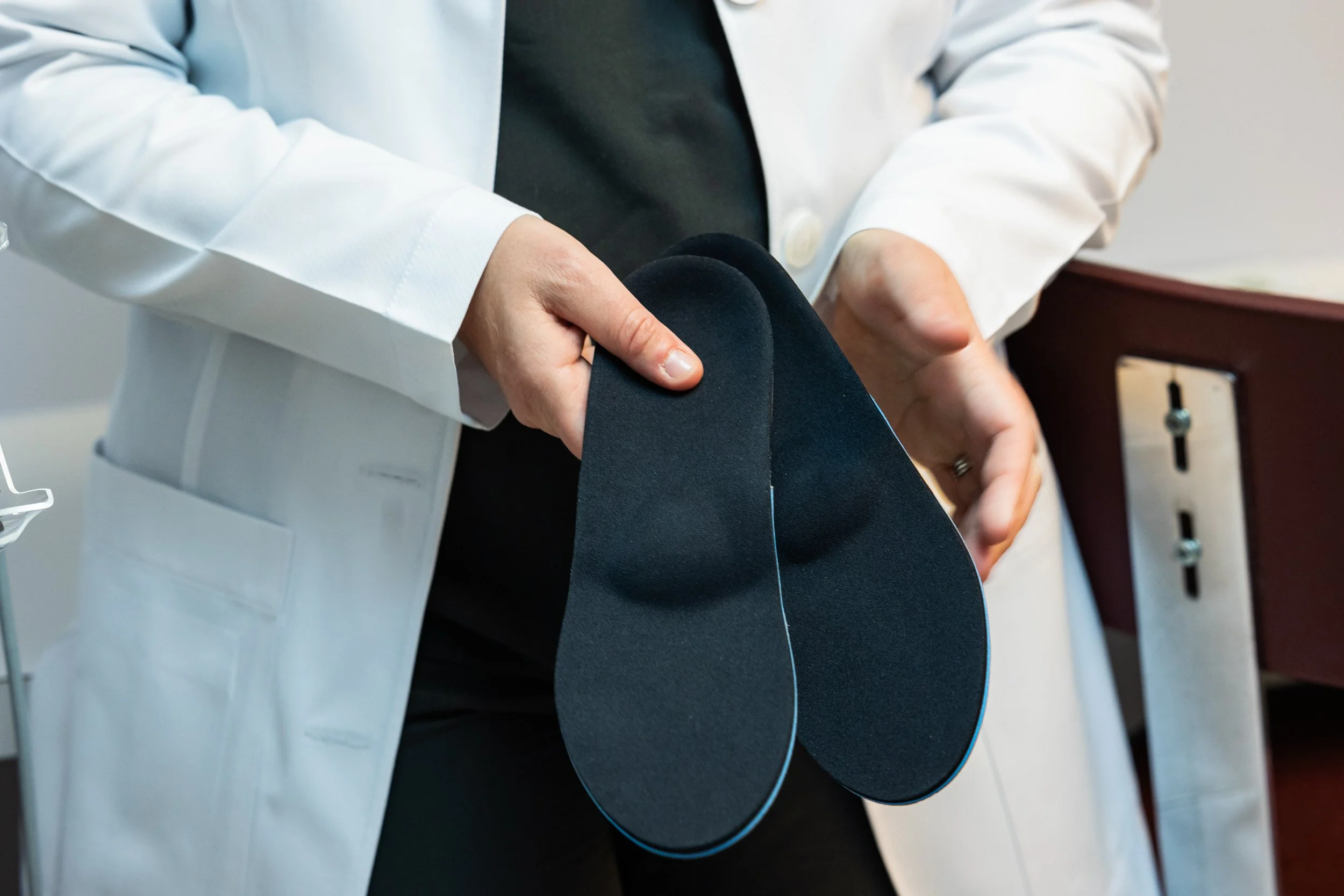
In some cases, custom orthotics may be an important part of the treatment plan
Unlike generic inserts purchased off the shelf, custom orthotics are designed around your individual foot structure and movement patterns.
Custom orthotics may help:
Improve lower-body alignment
Redistribute pressure more evenly throughout the foot
Reduce strain on tendons and ligaments
Improve stability during walking and standing
Increase comfort during daily activities
Many people are surprised to learn that improving support at ground level can make a noticeable difference in areas far beyond the feet.
If you'd like to learn more about this treatment option, check out our blog about custom orthotics.
When your body is working harder than it needs to, even small changes can have a meaningful impact. Sometimes the key to feeling better isn't adding more treatments—it's giving your body the support it’s been missing all along.
Putting the Pieces Together
Whether you're training for a race, walking to work, exploring the city on weekends, or simply trying to get through your day without discomfort, the way your body moves matters.
Sometimes a closer look at how your feet support and guide movement can reveal important clues about what's going on elsewhere in your body.
That's why recurring pain deserves attention, especially when it begins limiting the activities you enjoy.
Dr. Young can help you better understand what's contributing to your symptoms and develop a plan that helps you move more comfortably and confidently.
After all, staying active isn't just about avoiding pain. It's about having the freedom to keep doing the things that matter most to you.
City Step Podiatry is here to keep you moving forward.
Book with us easily online anytime, stop by the office, and visit our blog page regularly for practical foot health insights, treatment updates, and tips to help you stay active and feeling your best.
City Step Podiatry is here for you! Reach out today to schedule your visit and treat your feet to the care they deserve.